Hello, my dear Vikings.
In the beginning, I would like to thank you for such a positive reception of the previous devlog. Just to remind you that its topic was the locations that inspired me while creating the game. It was an interesting experience for me because, on one hand, I took a sentimental journey to the times when I lived in Scandinavia while writing it, and I must say that it was a great period in my life. On the other hand, I could show you a different aspect of development - research. Today I'm going to continue this thread and tell you about what surprised me while working on Viking City Builder.
Going back to the last devlog for a moment I mentioned Kaupang among the locations I want to put in Viking City Builder. What shocked me is that even though the terrain has not changed, the difference in sea level is noticeable to the naked eye. I had to raise the water level in the engine to replicate this historical location.
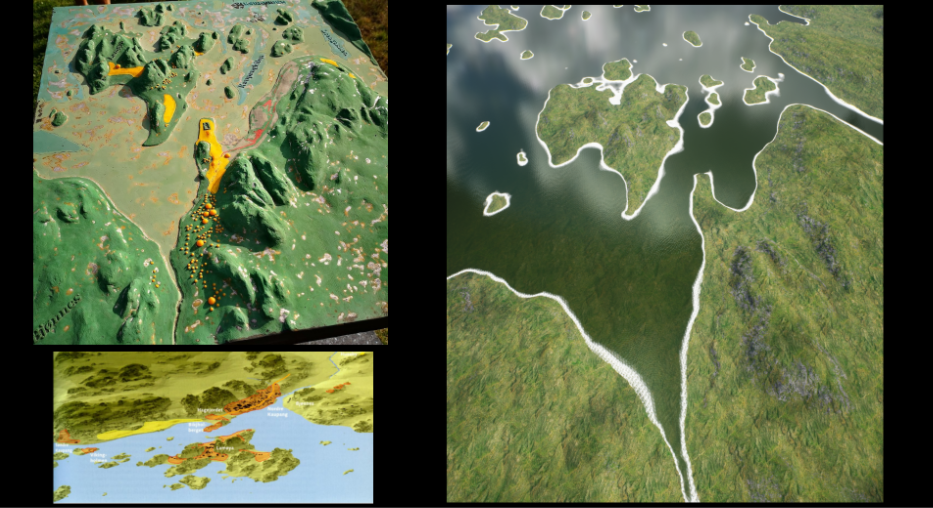
On the left model, the area that is currently land is marked in light green. On the right, for comparison, you can see the "historical" look in UE4. Credit: Model of the Viking town Kaupang, Vestfold © 2005 J. P. Fagerback www.aftenposten.no
It turns out that the image from pop culture is quite different from reality. As an example, there are horned helmets, which many of you have noticed while watching the trailer I've prepared :)
Contradictory to the vision of a wild, tumbled and dirty invader are archaeological findings, but also contemporary descriptions of them. In his chronicle, St. John of Wallingford, Prior of St. Fridswides bitterly recalled the Danes who, "combing their hair daily, bathing every day and changing their clothes frequently, were able to undermine the virtues of married women and even seduce the daughters of noblemen". It's very far away from the vision of a wild, dirty invader that may arise in your mind while reading contemporary descriptions. One of the stanzas from Hávamál (a series of poems containing advice on life, proper behavior, and knowledge) mentions the custom of washing hands before meals. Being neglectful was rather associated with people in a state of mourning. They had tools such as a comb, ear spoon, tweezers, pick and nail cleaners at their disposal. They bathed in rivers, but they also built bathhouses and used hot springs.
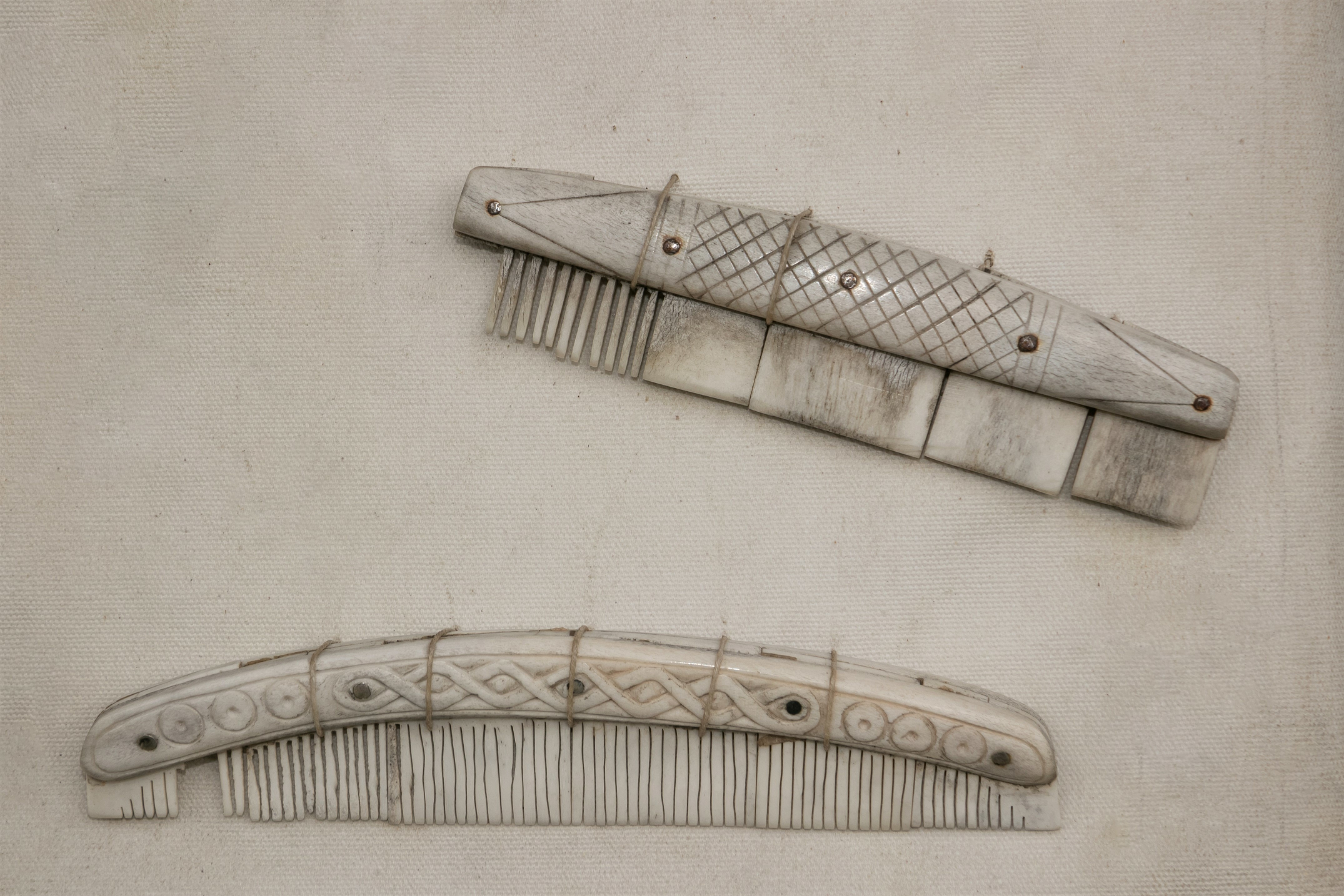
Bone combs are one of the most commonly found artifacts from Viking times. Credit: https://stock.adobe.com/pl/
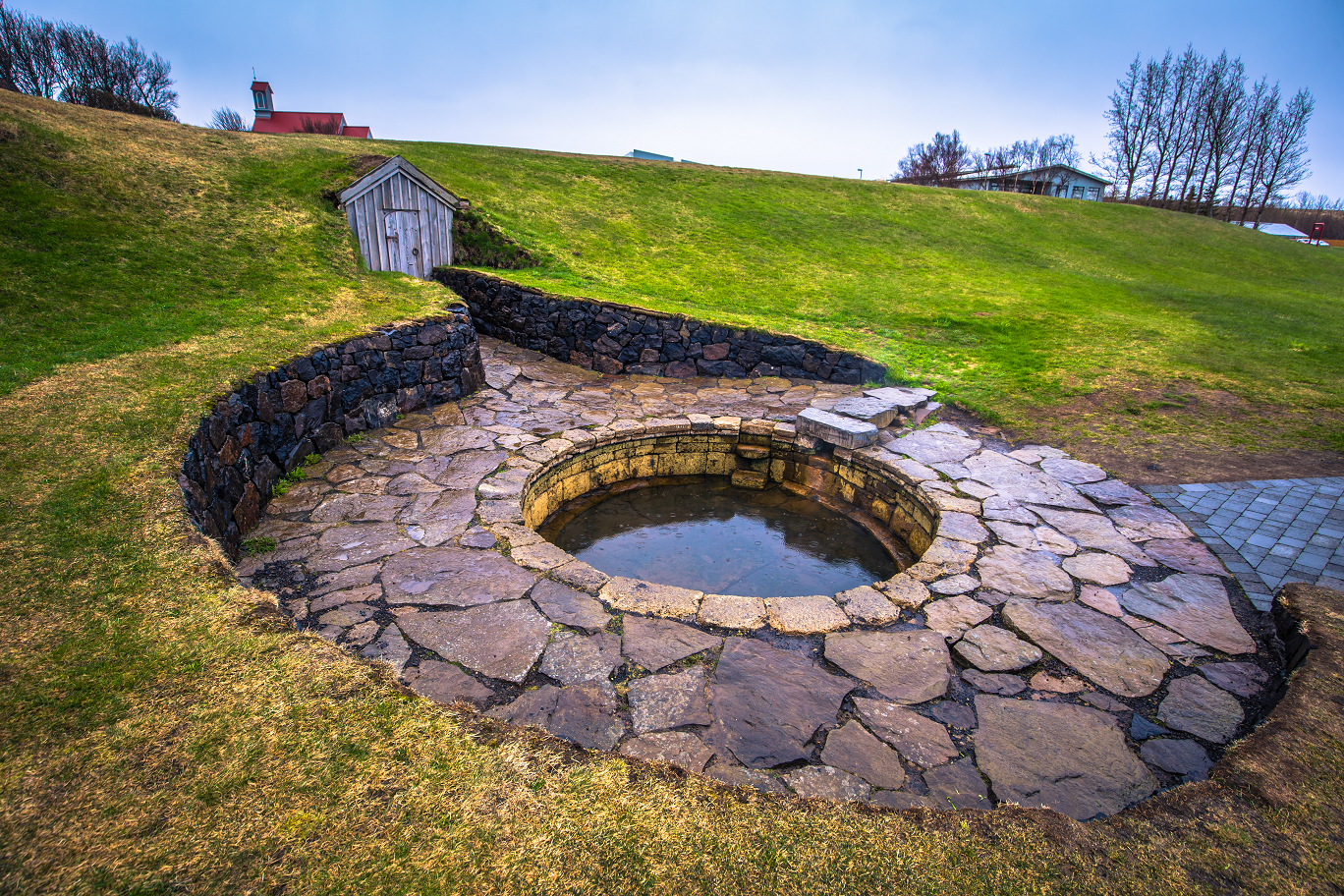
Bath built by Snorri Sturluson at his farm at Reykholt Credit: https://stock.adobe.com/pl/
Another thing that amazed me was the extent of their expansion. Not just in terms of trade contacts, but also setting up places where they lived permanently. While I was aware that they've settled on all sorts of islands in the North Sea, as well as Iceland and Greenland, the settlements in America and far eastern Europe surprised me.
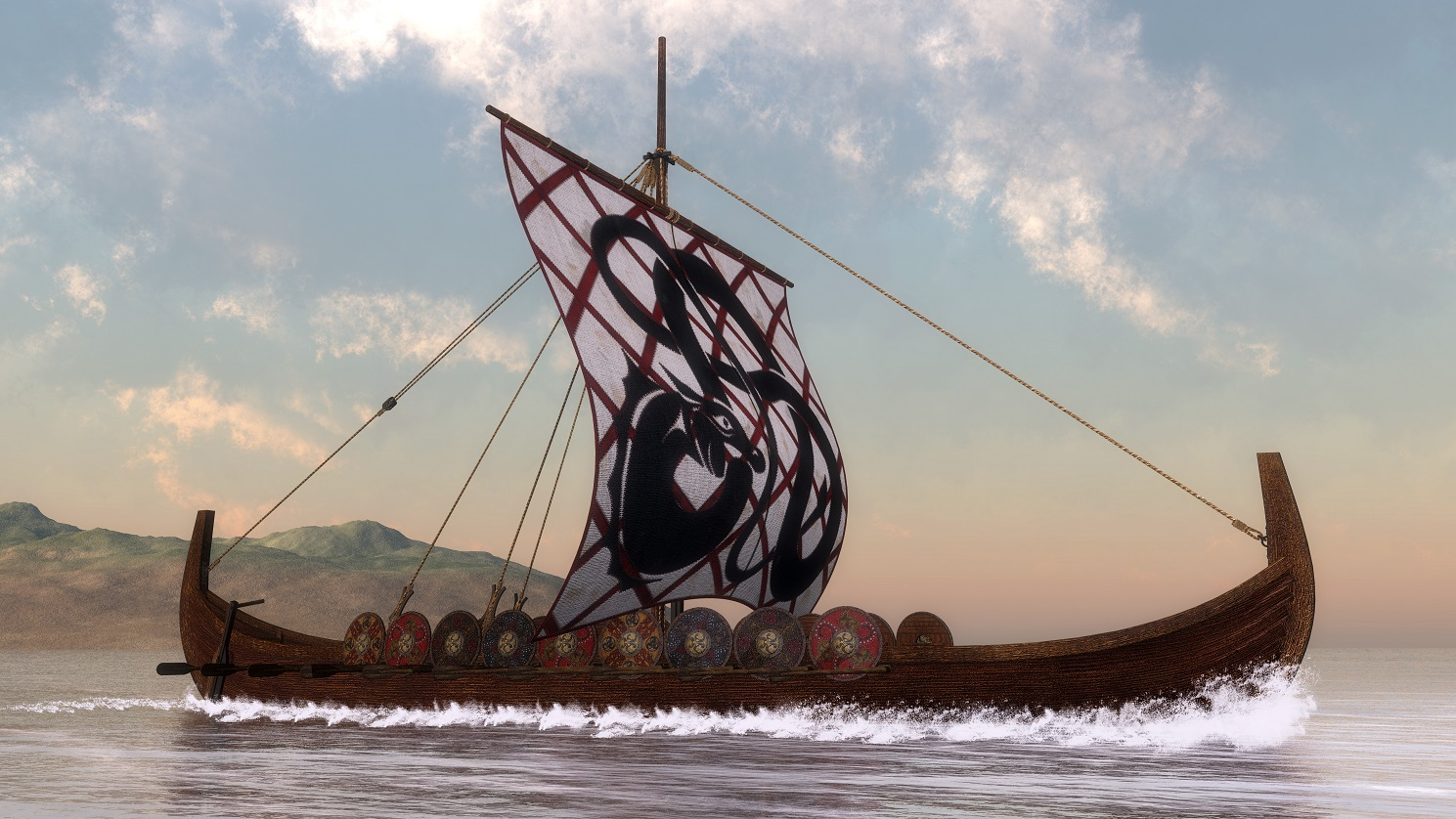
Would you dare cross the Atlantic in something like that? Credit: https://stock.adobe.com/pl/
According to the Russian Primary Chronicle: “6370 (862 BC)… Discord thus ensued among them, and they began to war one against another. They said to themselves, 'Let us seek a prince who may rule over us, and judge us according to the law.' They accordingly went overseas to the Varangian Rus: these particular Varangians were known as Rus, just as some are called Swedes, and others Normans, Angles, and Goths, for they were thus named. The Chuds, the Slavs, and the Krivichians then said to the people of Rus: 'Our whole land is great and rich, but there is nor order in it. Come to rule and reign over us.' They thus selected three brothers, with their kinfolk, who took with them all the Rus, and migrated. The oldest, Rurik, located himself in Novgorod; the second, Sinaeus, in Beloozero; and the third, Truvor, in Izborsk. On account of these Varangians, the district of Novgorod became known as Russian (Rus) land. The present inhabitants of Novgorod are descended from the Varangian race, but a long time ago they were Slavs.”
The Byzantine emperors recruited Vikings into their famous Varangian Guard. Many famous Norsemen served in it, including Kolskegg Hamundarsson and King Harald Hardrada.
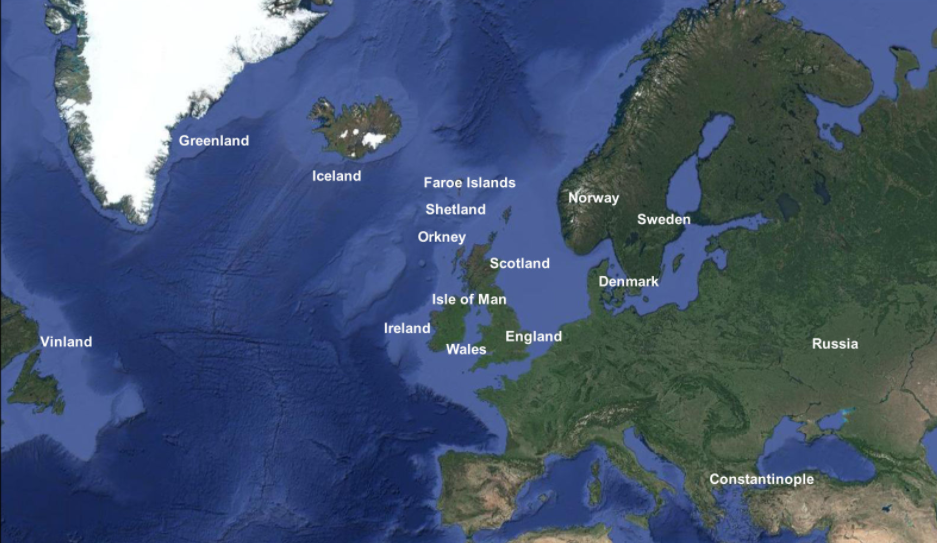
The size of the Scandinavian diaspora is staggering. Credit: http://viking.archeurope.com
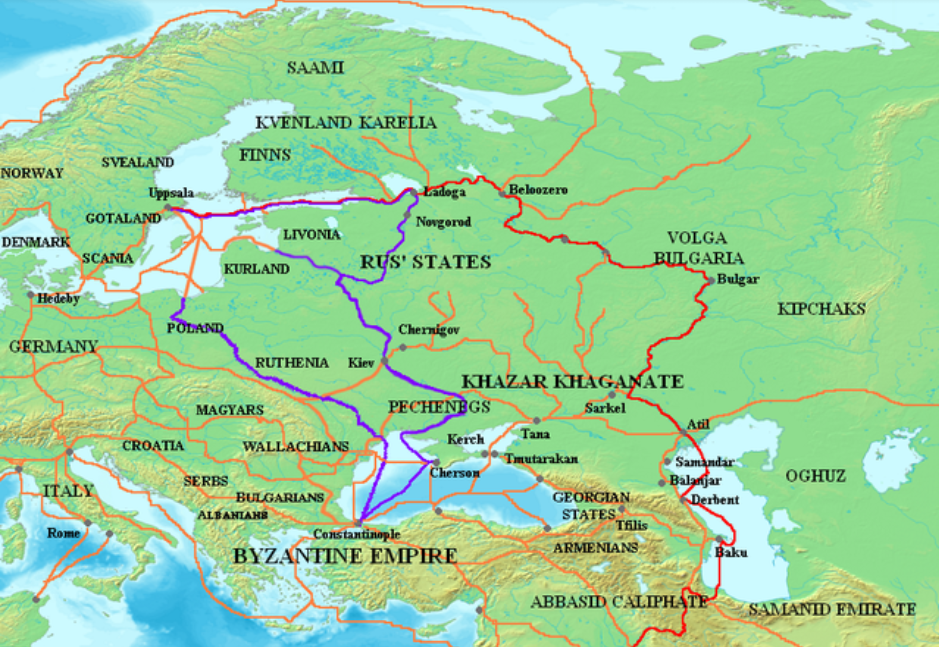
Location of Novgorod and Beloozero. Red and blue lines indicate trade routes Geoffrey Barraclough, ed. (in dutch) (1981) Spectrum-Times Atlas van de Wereldgeschiedenis, pp. 114–115
One of the more mundane, literally and figuratively, curiosities concerns their source of iron. It turns out that in addition to importing iron, they've obtained it from swamps. The so-called bog iron granules were extracted by cutting down peat. What is more interesting, due to the process of creation, this source was renewable. That is why many settlements were established near peat bogs.
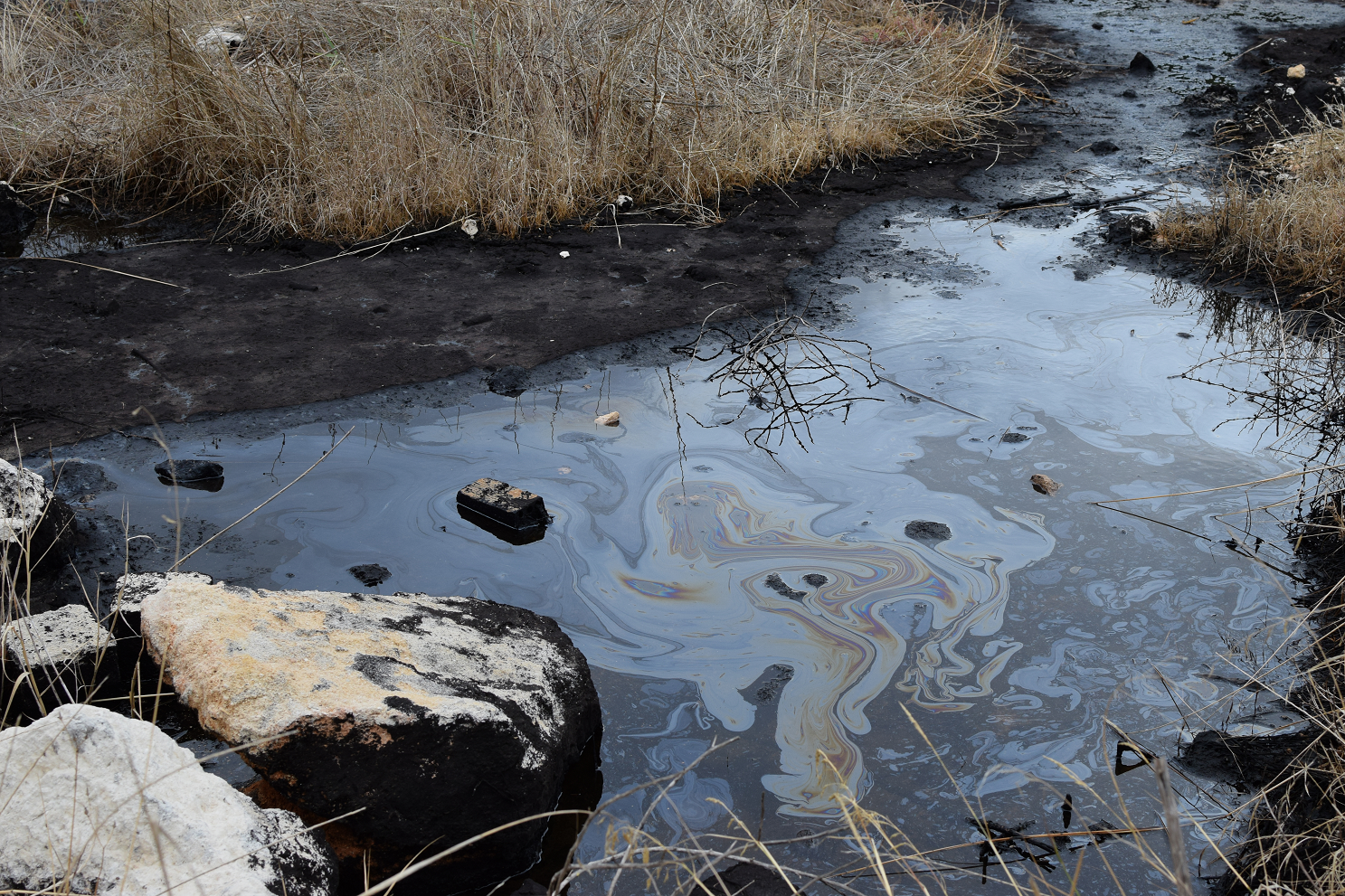
Natural oily layer on the surface of seeping water in a peat area that is produced by the iron-oxidizing bacteria ones the iron-rich water from the underground contacts with air. Credit: https://stock.adobe.com/pl/
Ok, that's enough for today. I hope you will learn a lot of new things about Vikings from this video and like it as much as the prior devlog.