Greetings, brave Vikings!
After the last series of exciting devlogs, in which we presented various aspects of the game's development processes, it's time for more discoveries. Today, we’d like to present you with material that will reveal the secrets of ancient crafts, focusing on shipbuilding and the fascinating types of ships that the Vikings used. Ready? Therefore, we invite you to read!
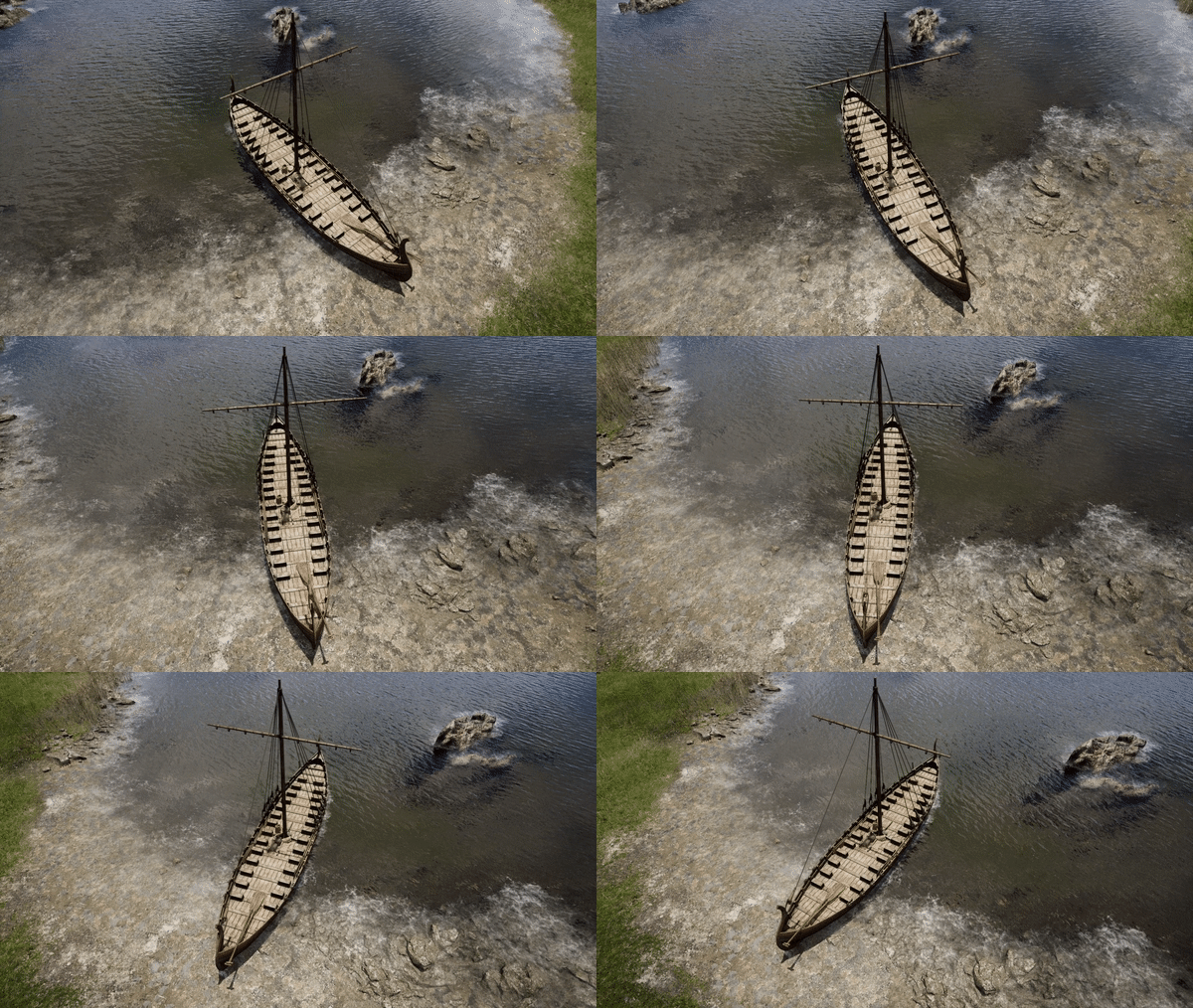
The term "gjalfrmarr", derived from Old Norse, means ship or steed of the see. Vikings created a variety of ships, broadly divided into two categories: warships and cargo ships. Let's start with the former - the lonships. Despite impressive sizes, reaching about 17.4 meters in length (57 feet) and 2.6 meters in width (8.5 feet), they were still more slender and agile than other Viking ships. Very shallow draught of only 50 centimeters (20 inches), allowed to navigate inland using rivers and dock on most shorelines. That unrestricted mobility often surprised their enemies.
Propulsion consisted of single sail and oarsmen, of which there were usually 16 on board. The length of the oars varied (from 5.3 to 5.85 meters) so that they hit the surface of the water at the same time, accounting for differences in their location relative to the waterline. A characteristic feature of longships was shields attached to the sides, which probably provided protection against wind and waves, although some say that their presence may have been mainly intended to instill fear in enemies when approaching the shores.
In sagas we can find descriptions of gargantuan vessels, such as the Ormurinn langi (Long Serpent), owned by King Óláfr Tryggvason. These giant ships, called drakkars, were much longer and had more oarsmen than typical longships. They served as the flagship units of kings during dynastic wars.
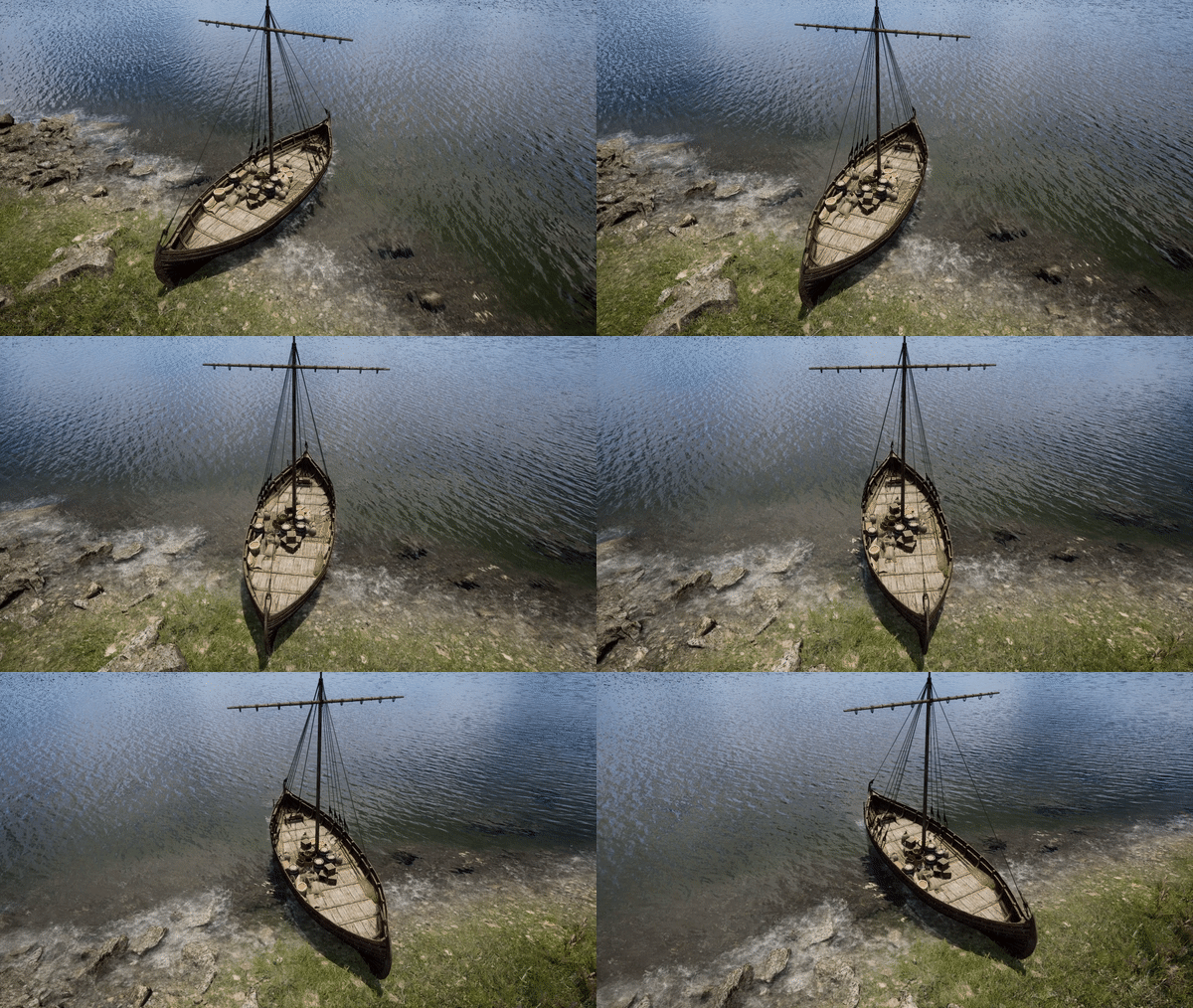
As for merchant vessels, let's look at the knarr. They were about 13.8 meters long (45 feet), 3.4 meters wide (11 feet), and had a draught of 84 centimeters (33 inches). Compared to lonships, they required smaller crew and could carry much larger cargo - up to 4.1 tons. Some ocean-going versions, larger and wider, could carry up to 13 tons of goods. These ships had an open construction with partially enclosed decks that contained holes for oars, which were necessary for maneuvering while approaching the shore. However, smaller crew and bigger size translated to being reliant on sail, as the main force of propulsion.
As you can probably guess, ships will be an integral part of our game, and their production will be the responsibility of the Shipwright. Building a ship is both time-consuming and costly. The Shipwright begins by finding an oak tree trunk, which will serve as the keel, the backbone of the ship. Frames, also known as ribs, are then added. The revolutionary clinker planking technique is used, with overlapping planks that are split and fitted together. It's this technique that gave Viking ships such an advantage over other ships. The remaining wooden components include the deck, mast, oars, and rudder. The structure is held together with valuable iron rivets. Lastly, a sail was needed, created on looms (by a Tailor).

We hope that our devlog has provided you with a lot of valuable information about Viking ships. Let us know how you liked this material, and don't forget to join our community on Discord, where you can stay up to date with the latest news and interact with other Viking enthusiasts!

See you soon! Skål!