Hey, I’m Krzysiek.
In The Looter I handle level design and the slightly chaotic process of stitching everything together inside the engine. Today I want to talk about how a forest grew out of nothing, and how we managed to cut our way through a giant, mutated overgrowth of ideas.
What Is Tortura
Before The Looter even had a name, we knew we wanted to make a post-apocalyptic game. But not one set in distant Australian deserts or North American wastelands. We wanted something closer to home. Brutalist architecture. Concrete blocks. Dense forests.
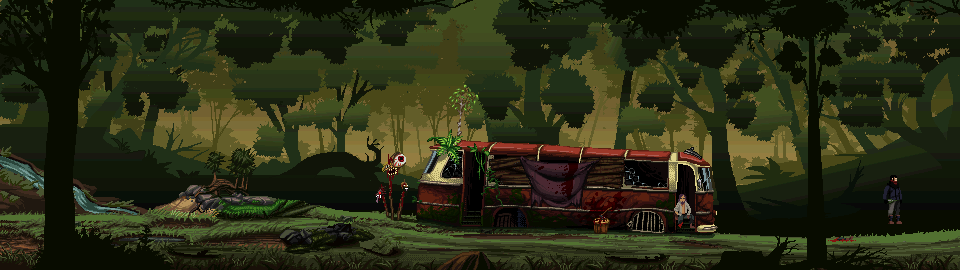
The first look of Tortura in the game prototype. It was so long ago it’s almost weird the forest didn’t grow in real life
That’s how the idea of Tortura was born - an unnaturally massive forest that suddenly, inexplicably (or maybe just forgotten by those who survived), grew and swallowed fields, villages, and entire cities.
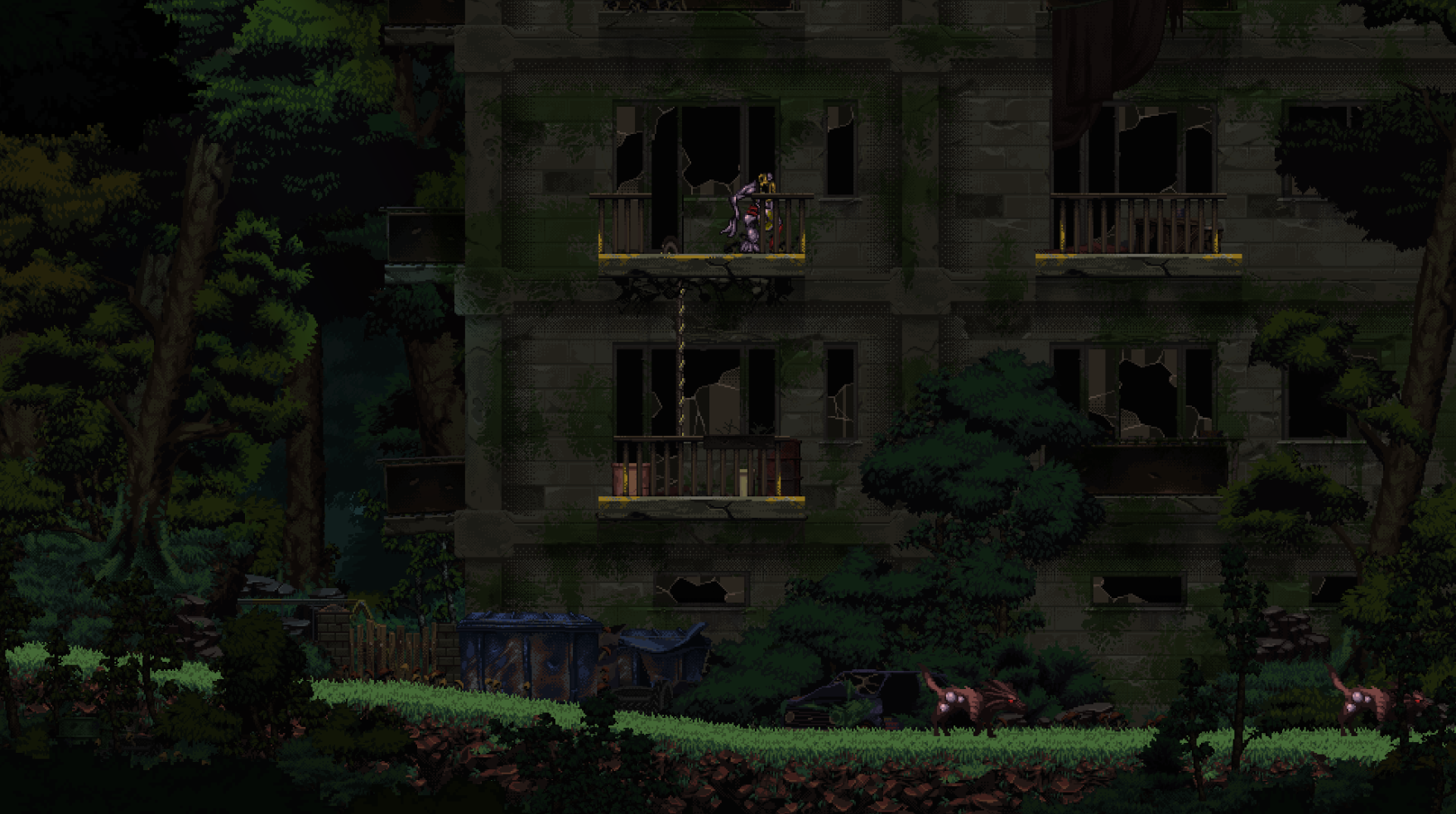
This was the vibe we were aiming for - a brutalist housing block swallowed by a post-apo forest
And with the forest came the murrain. A disease spreading through the land, sparing no one, reshaping everything it touched into a new, terrifying ecosystem. Tortura became home to those who weren’t lucky enough to escape - people now wandering mindlessly, guarding the ruins of their own lives. Once we had Tortura in our heads, the next question was simple: Why would anyone willingly go in there?
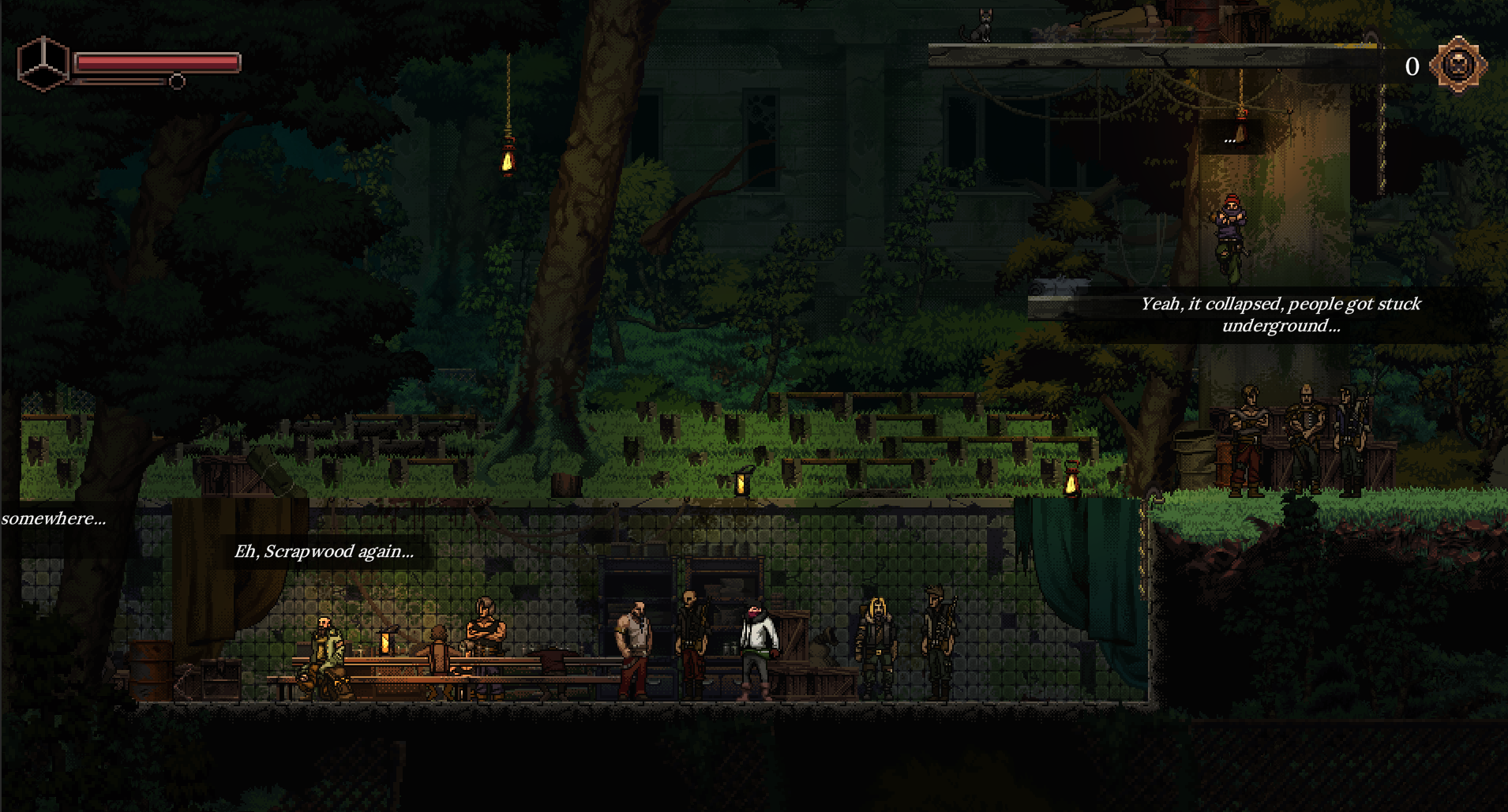
The heroes of this part of the world - Looters in their natural habitat, ready to risk their lives and roll the dice every single day
That’s how the idea of the Looters emerged - scavengers, a bit like the stalkers from the Strugatsky brothers Roadside Picnic. They venture into forbidden zones to pull out treasures: a book, a jacket, a pair of glasses. Small relics of the old world. Enough to trade for a few more days of peace.
Forest vs Civilization
When designing the levels, I kept asking myself: what would actually happen if nature suddenly reclaimed everything?
Luckily, reality gives us plenty of reference. Entropy is real. Nature reorganizes things the moment we stop looking. Places like Pripyat, the abandoned towns around Chernobyl, or even areas around Fukushima show how quickly civilization starts dissolving. Overgrown malls. Trees growing through concrete. Rust swallowing steel.
In Tortura, you mostly move through ruins. Some interiors feel almost frozen in time - like a museum exhibit titled “Days Long Forgotten.” Others have fully collapsed and turned into nests for plague-twisted creatures.
In that sense, Looters are modern archaeologists. They break into unreachable places, not to study history - but to survive off it.
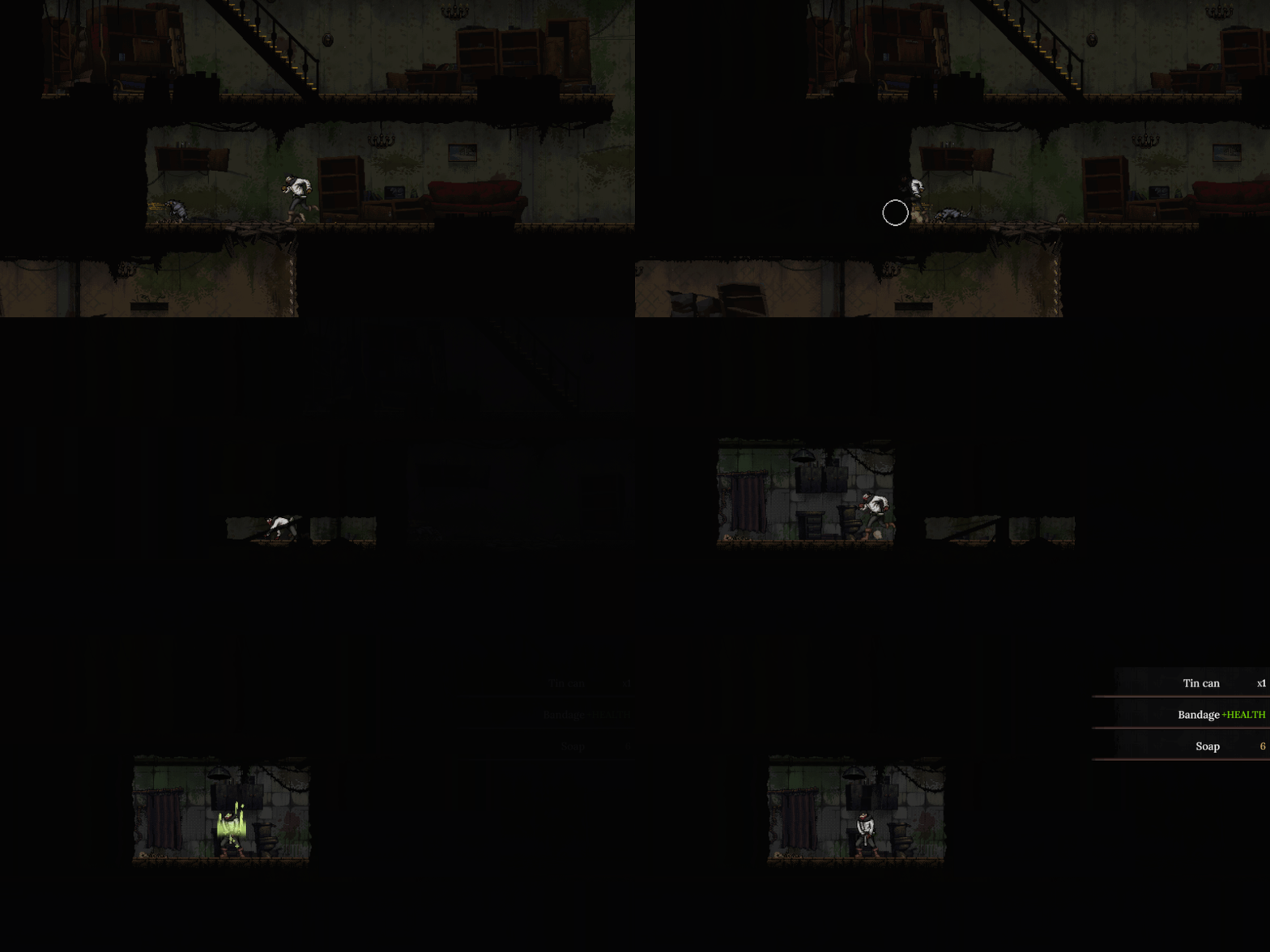
Well, well, well... what do we have here?
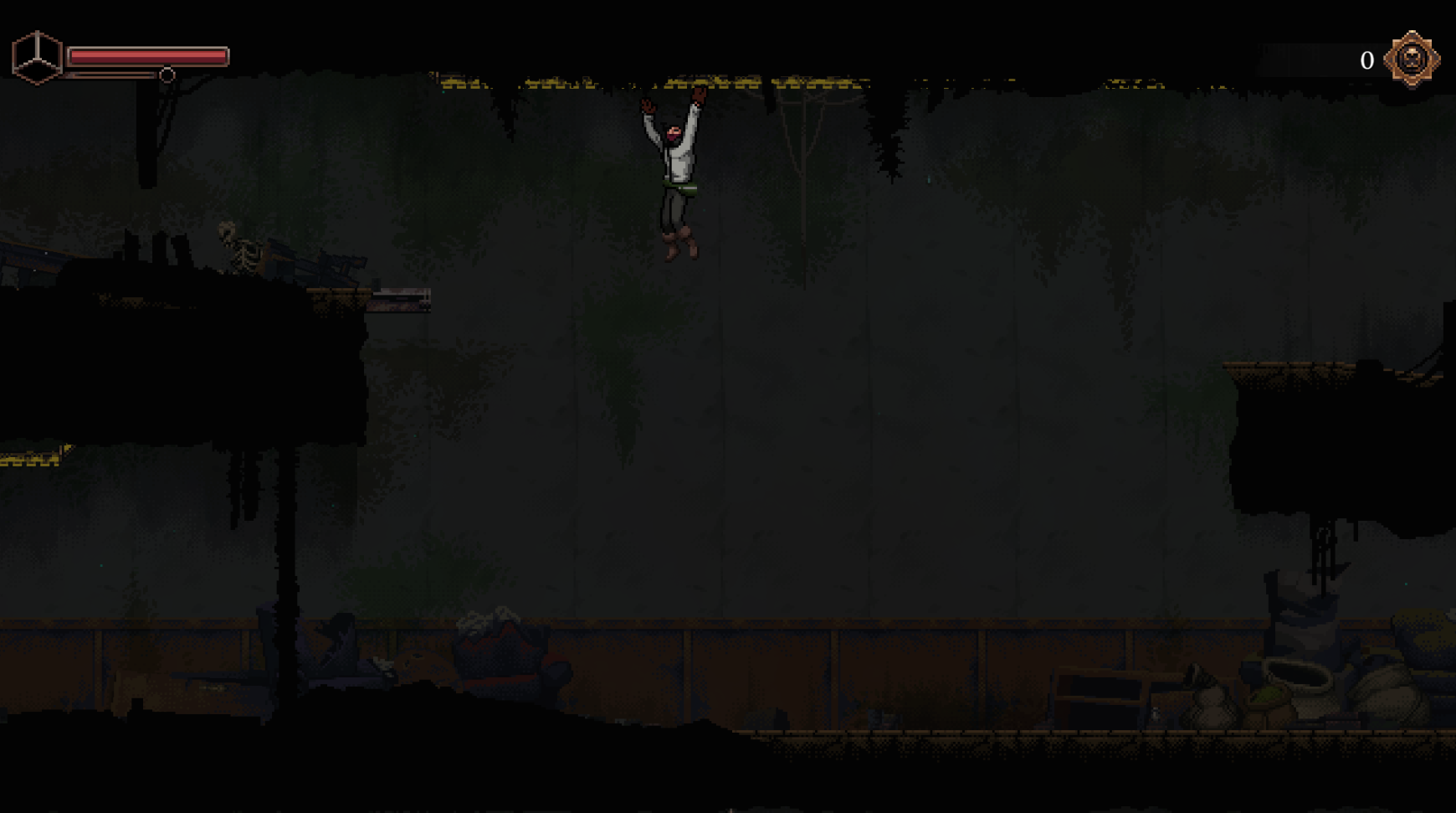
Tortura fitness trail
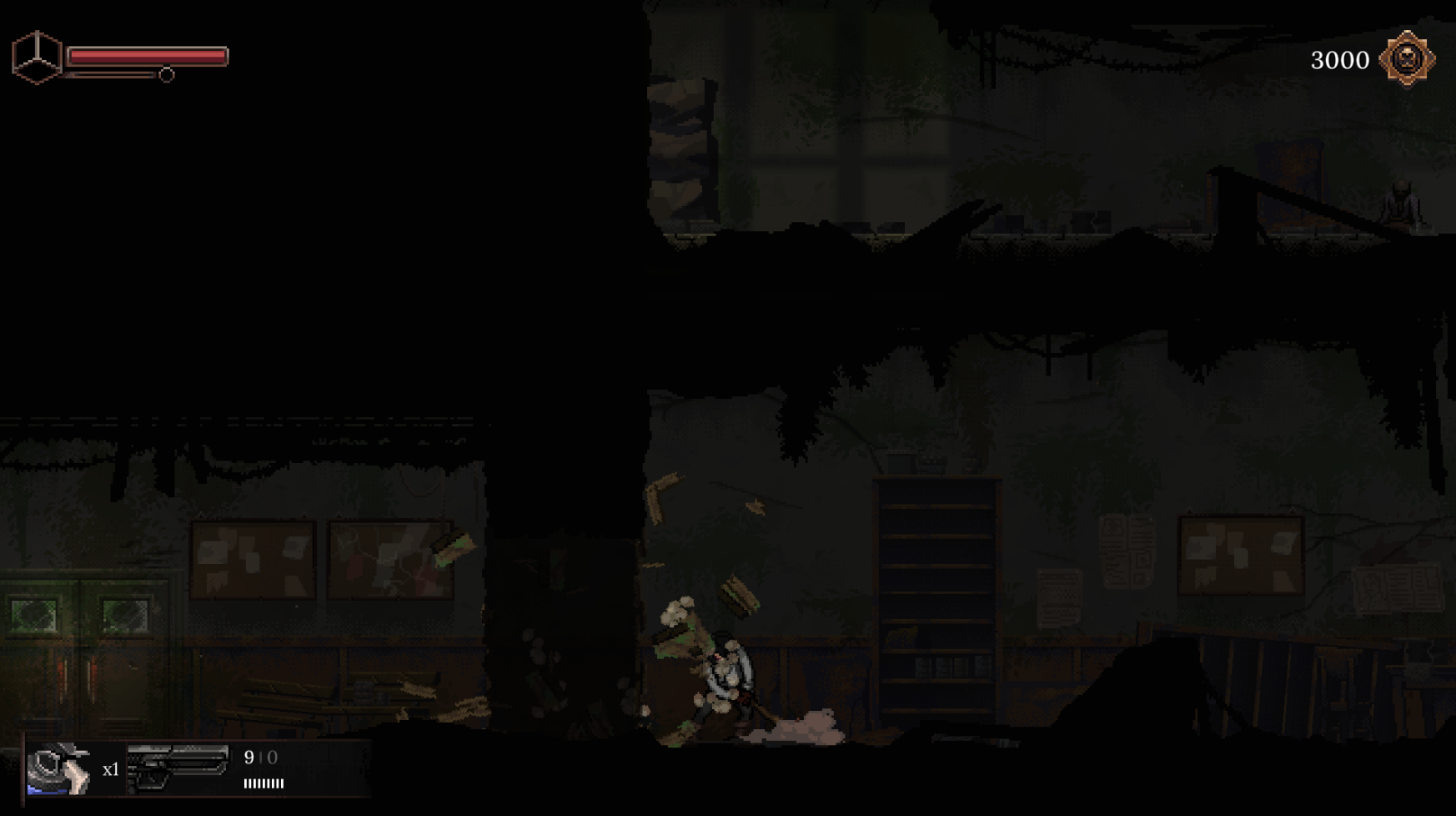
Smack that wall
And Tortura itself is an ecosystem. Everything has its place. Some areas have stabilized; the forest has stopped advancing there. Others are still being consumed.
Creatures follow patterns. They walk the same paths. Even when they die, they eventually return. It’s one big cycle. The good news? Cycles can be learned.
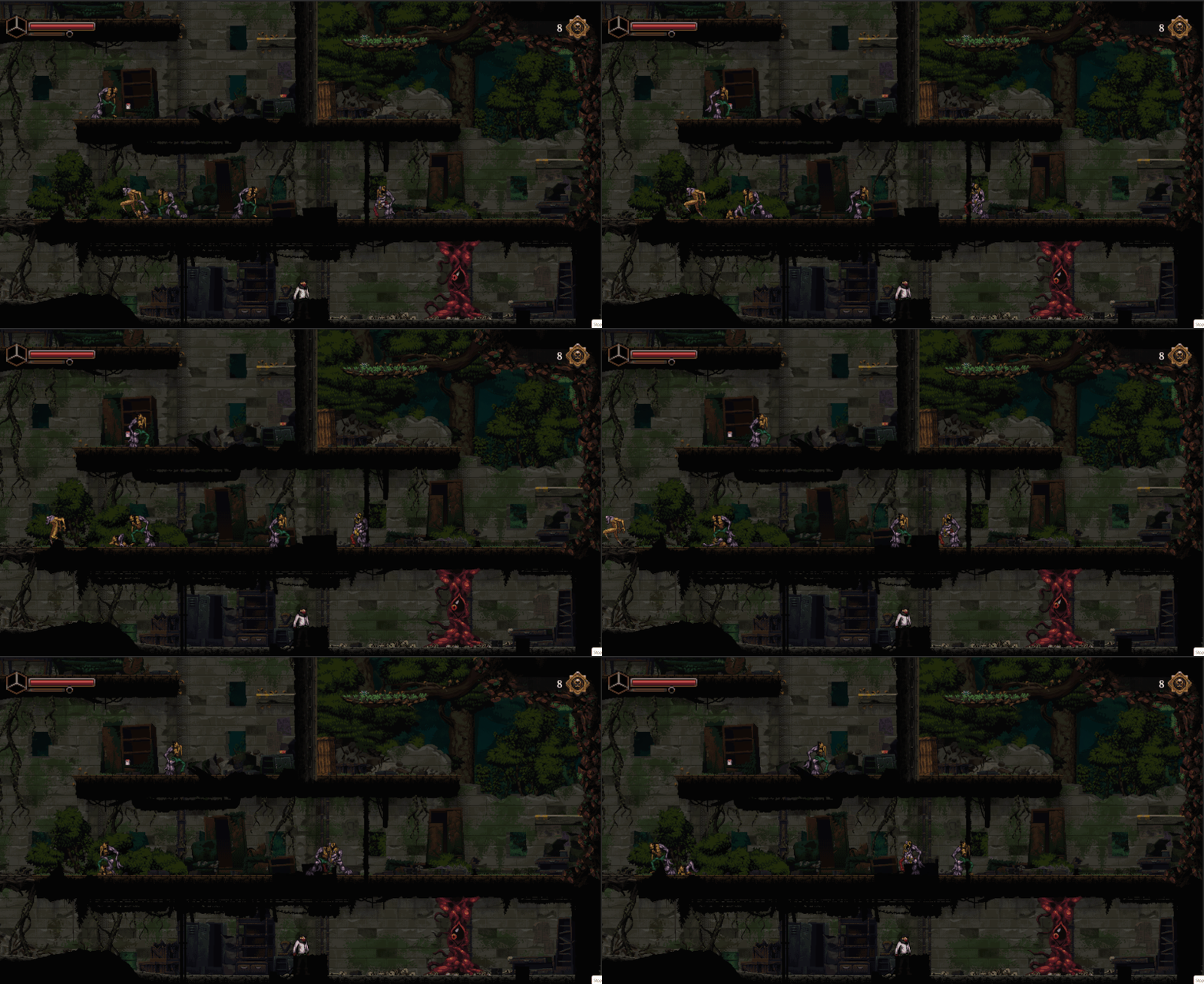
What are you lookin’ at?
Looters can predict enemy movement, identify safe routes, and carve out enclaves - small pockets of safety where you can rest, trade, and share stories before heading back into the green nightmare.
Environment as Storytelling
One thing I’ve always loved in games is when the environment tells its own story.
Games like The Last of Us do this brilliantly - you walk into a room and immediately understand what happened there without a single line of dialogue. FromSoftware games are masters of environmental storytelling too. You don’t get long explanations - you observe, connect dots, and feel the history. I always wanted that in Looter.
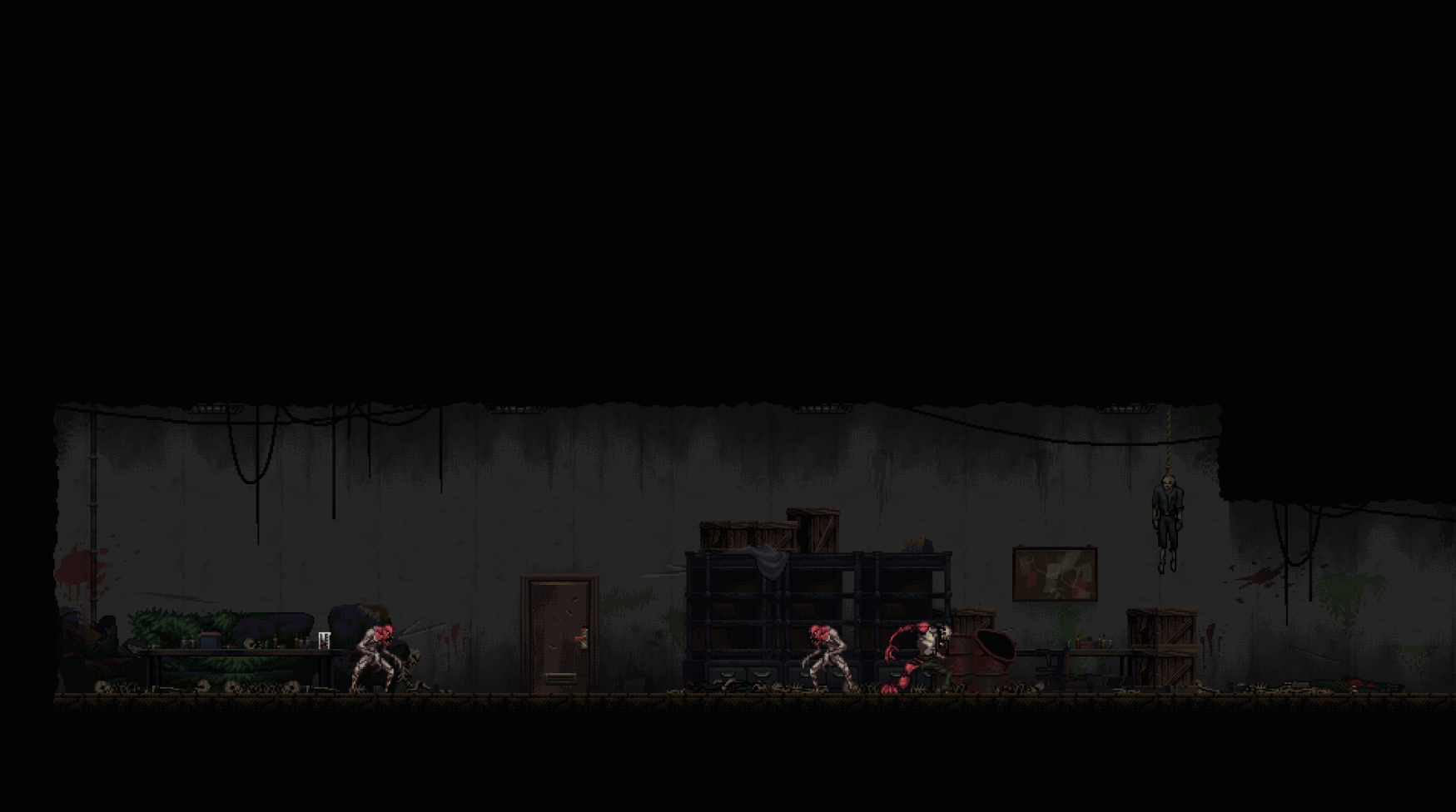
Was that their family... or their next meal? Who knows. I don’t
A suitcase left open. Clothes scattered. A car stopped in the middle of the road with something still inside. A cave with traces of someone who tried to survive there. A broken gate and signs of a fight that clearly didn’t end well. If you rush through, it’s just background. If you stop for a moment, there’s a story.
When building levels, I didn’t want them to feel like tunnels with trees painted behind them. I wanted players to pause and think: this used to be an apartment block... that must have been a swimming pool... this feels like an old monastery.
And then wonder:
Was this place untouched since the catastrophe?
Is this the first time this door has opened in years?
Did someone live here - right up until the plague found them?
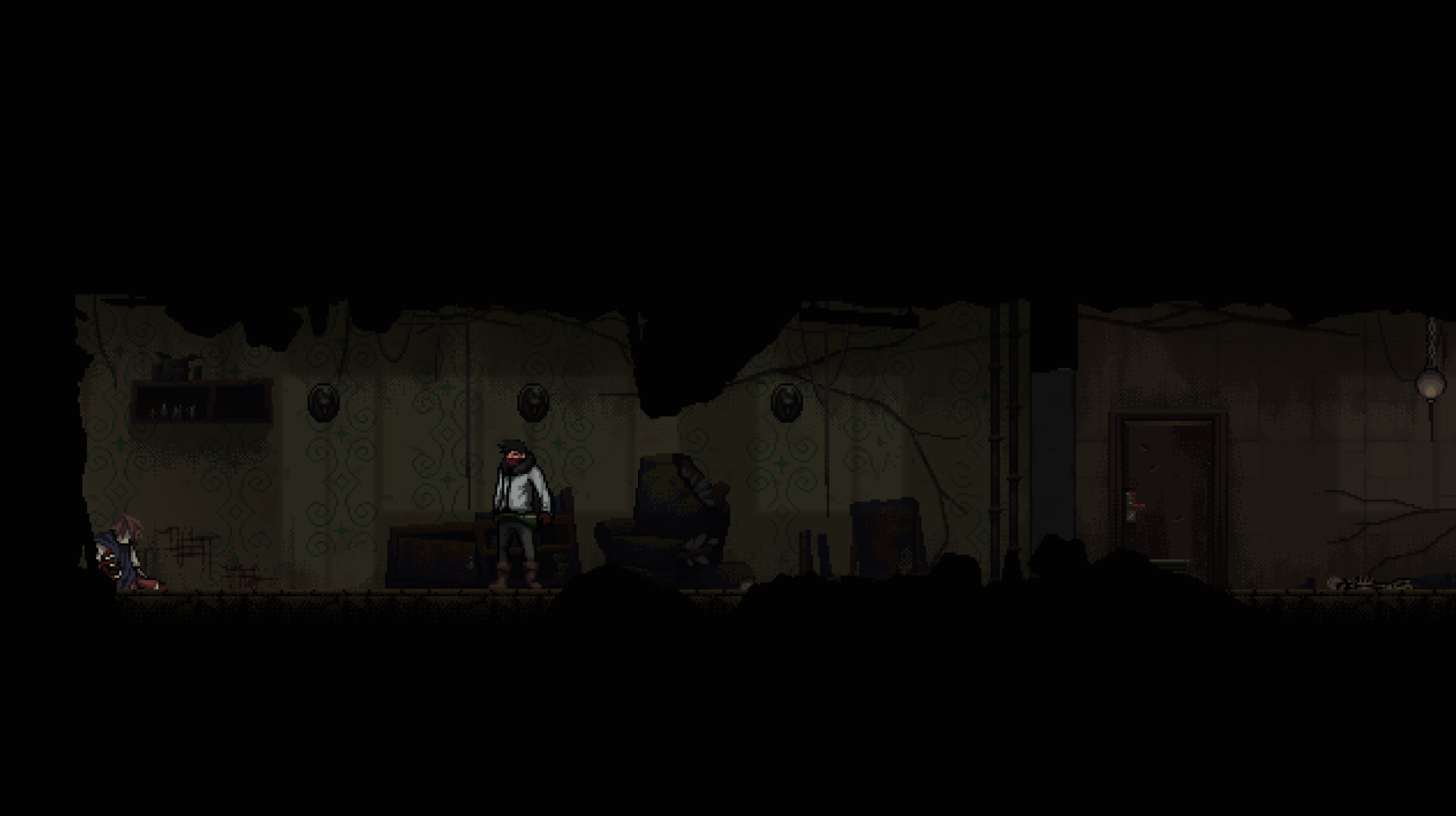
Poor bastard. Stuck here forever
Exploration and the Metroidvania Rhythm
From the beginning, we wanted Looter to give players a sense of exploration freedom.
We’ve always liked the structure seen in classic Resident Evil games - where you explore interconnected spaces, gather key items, unlock new paths, and sometimes return to earlier areas with new tools.
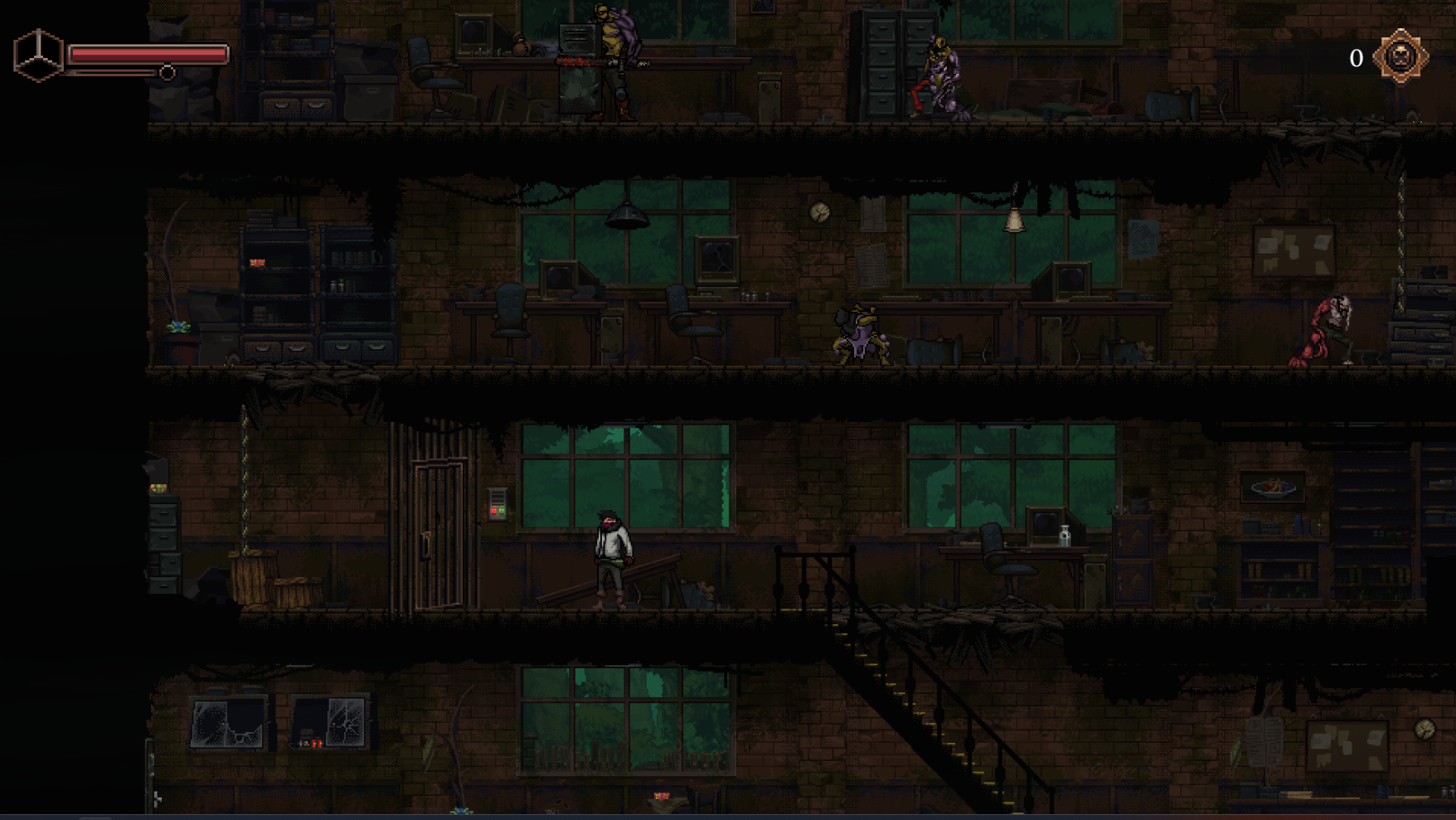
So... what was the code again?
That structure became a backbone for our level design. At the same time, Looter has strong action elements - platforming sections, combat sequences - so sometimes we intentionally break that loop and push players forward in a more linear, adrenaline-driven way.
Still, we didn’t want the “Looter” fantasy to be just a narrative excuse. That’s why levels are packed with hidden spots. Maybe you won’t notice them the first time. But when you backtrack, you might spot something new. Something that makes the same path feel different.
From Sketch to Game
When I started working on Looter, I never imagined I’d be designing levels - let alone shaping their visual identity. Right now, the game has around 250 handcrafted map segments. Probably another 250 ended up in the trash over the years. I honestly don’t even know when that happened.
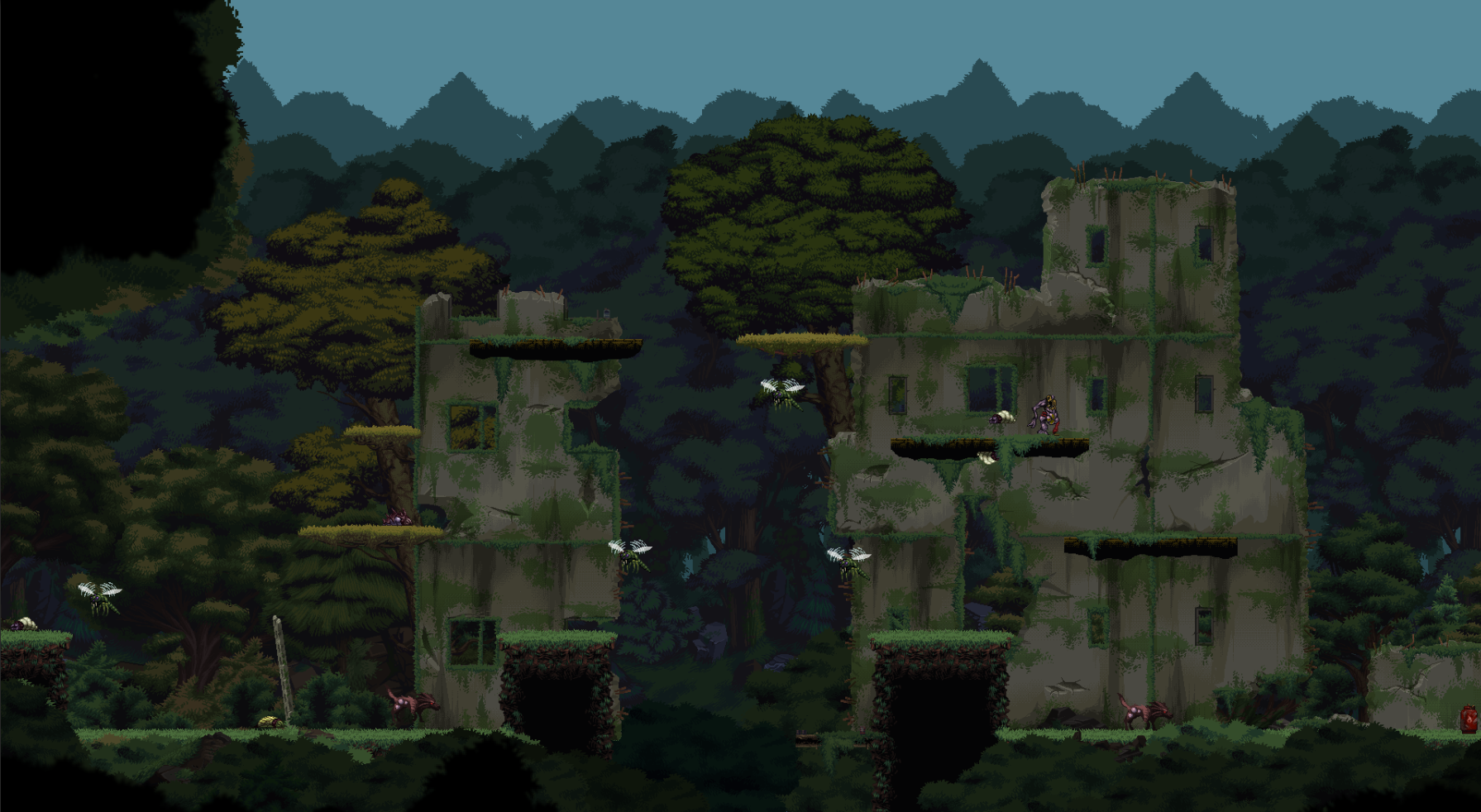
One of the early scenes
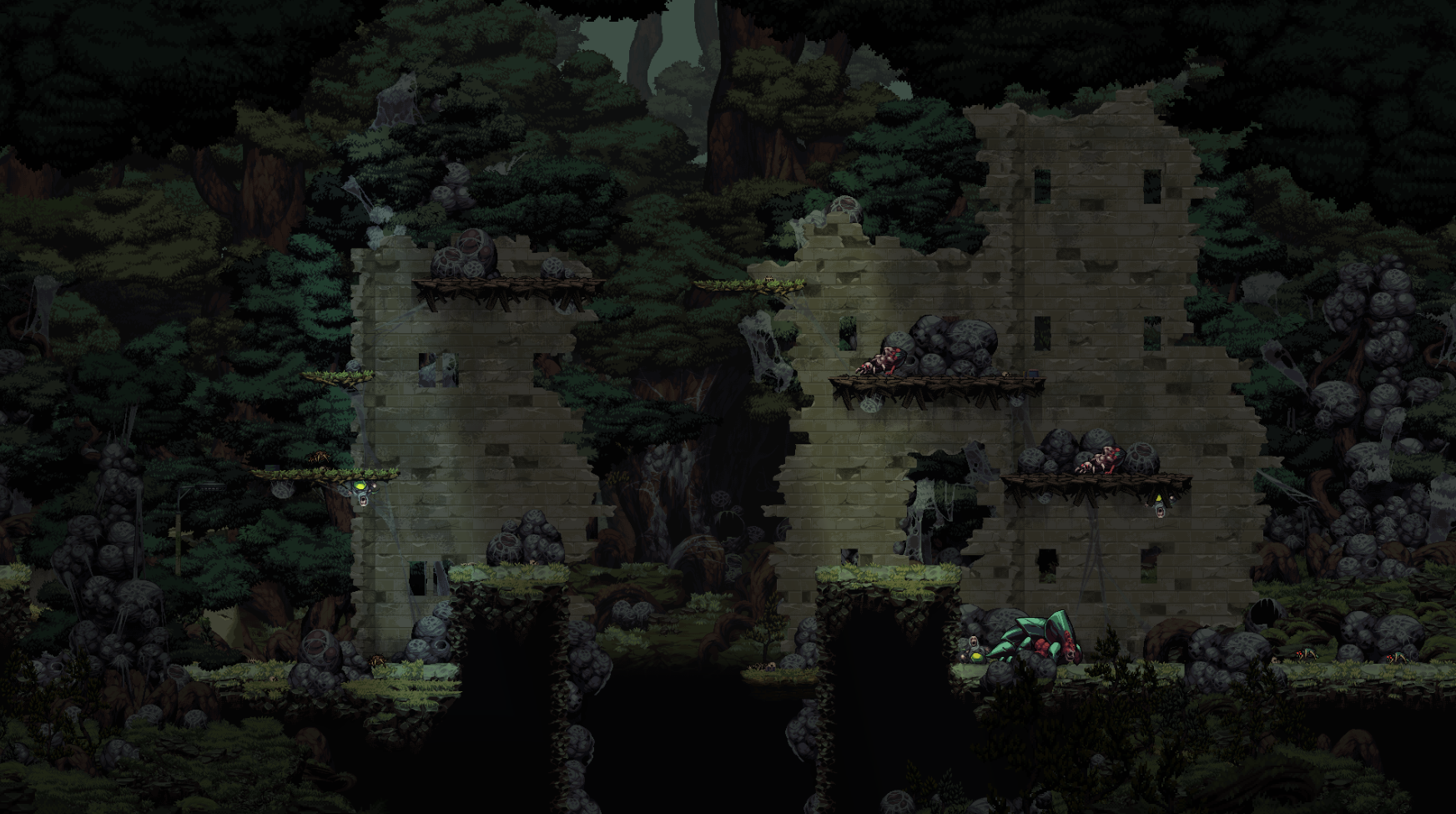
…and its revamp
At the beginning, I had zero idea how to design levels. I drew some zigzags on a piece of paper, recreated them in the engine... and somehow everyone assumed that was the plan. Looking back, I think I learned mostly by making mistakes. I still rely heavily on intuition - and yes, sometimes on “borrowing” zigzag inspiration from other games.
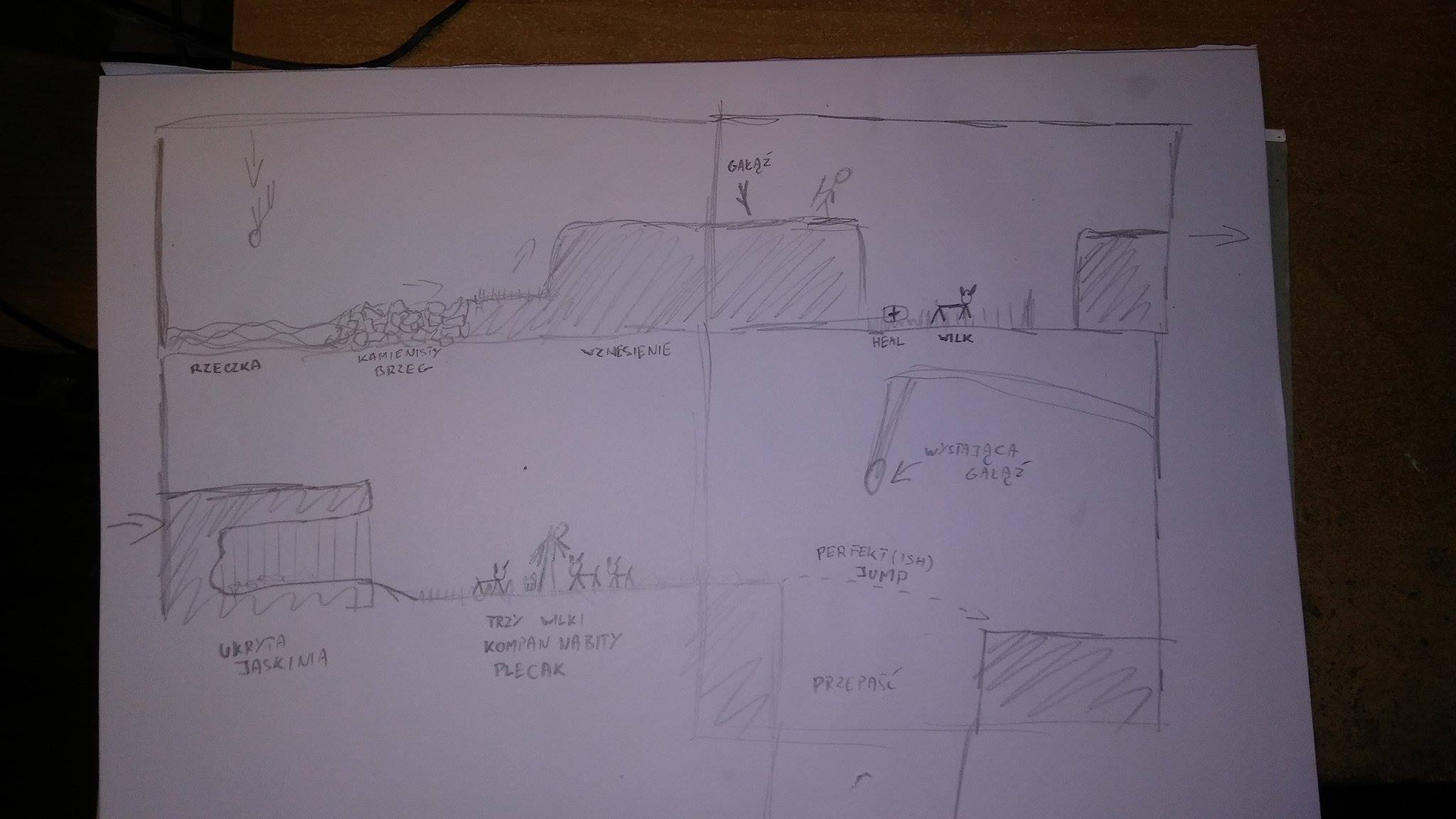
The legendary hand-drawn zigzags
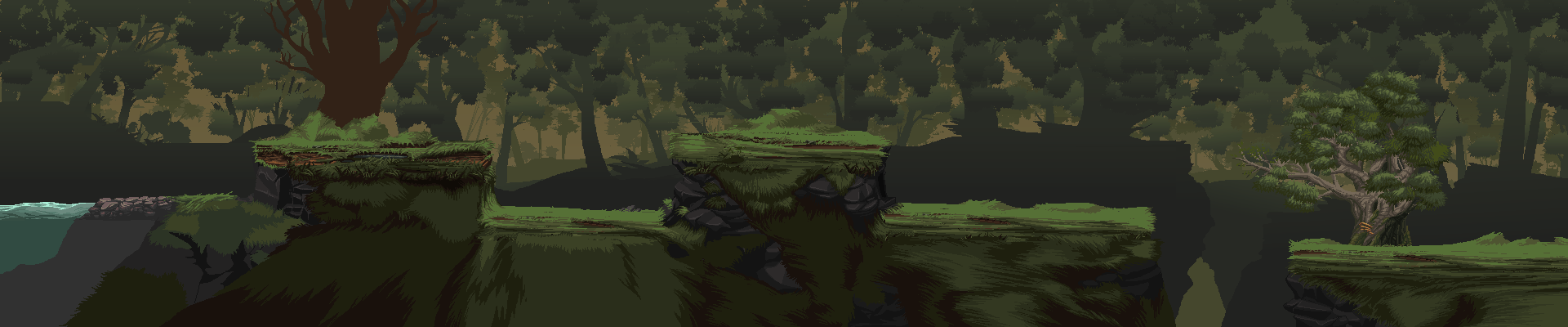
And what those zigzags turned into inside the engine
At first, I tried to make everything realistic. Buildings that made architectural sense. Real metro stations. Real banks. Turns out: reality is often boring in gameplay. So over time I shifted from realism to plausibility. The levels still look like apartment blocks or industrial zones - but now they might contain platforms or ladders that wouldn’t make perfect real-world sense. And that’s fine.
These days, my priority is simple: Is it fun to move through? I usually start with mechanics - colliders, jumps, traversal systems. I run back and forth testing distances, jump arcs, whether you can traverse the space both ways. Once that feels right, I layer visuals on top. Trees. Furniture. Colors.
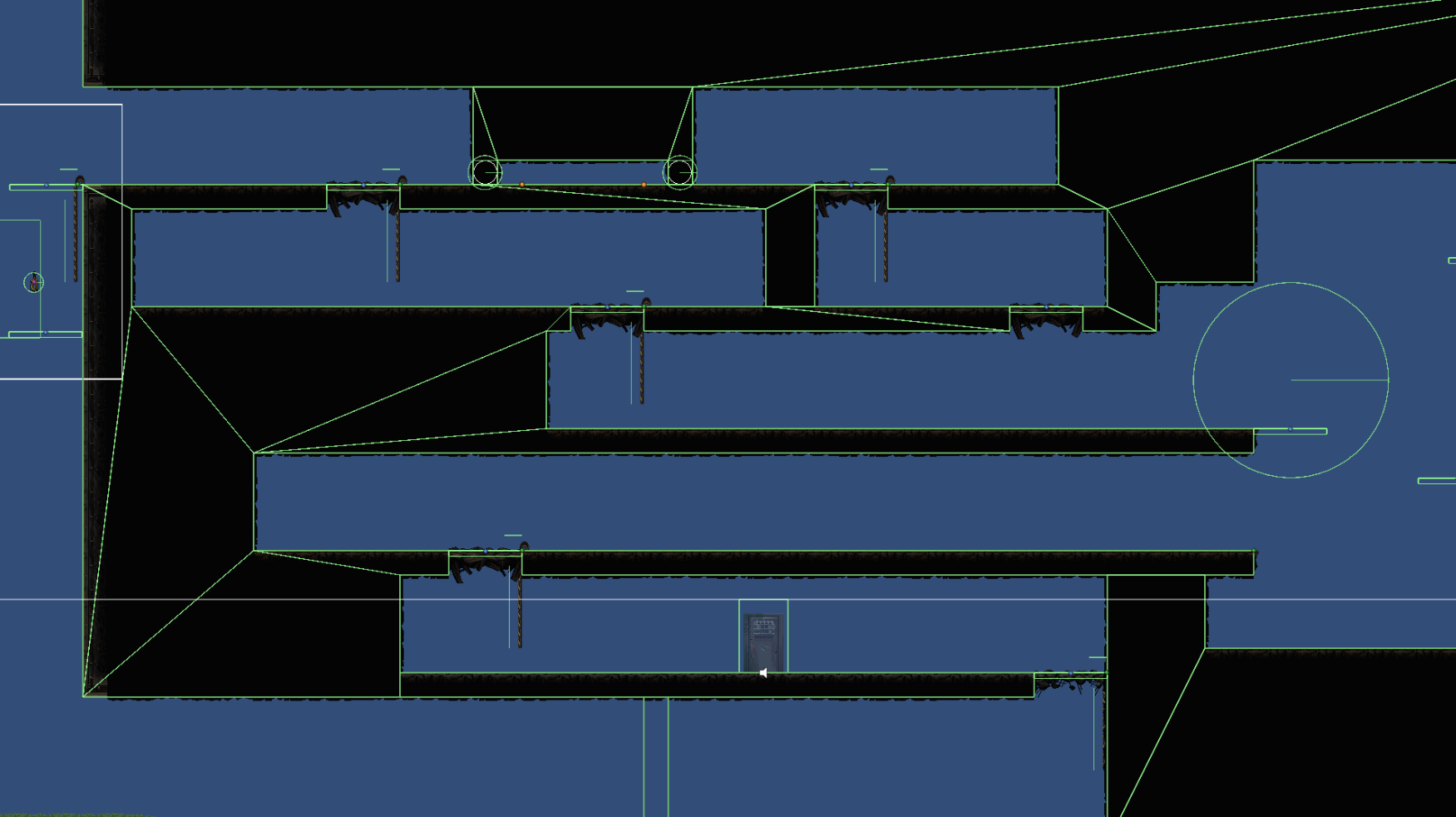
First, the skeleton - the blue abyss
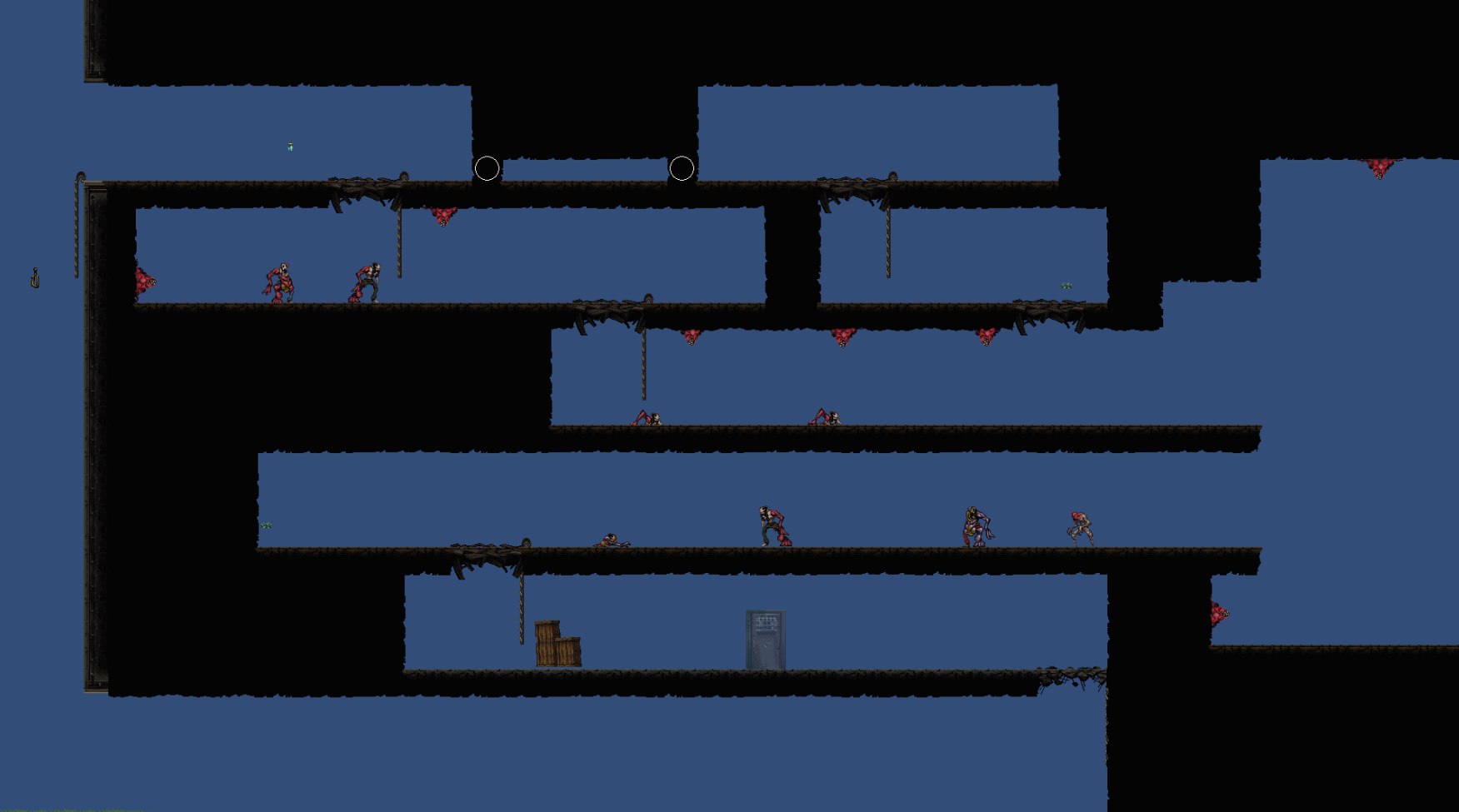
A few evil residents
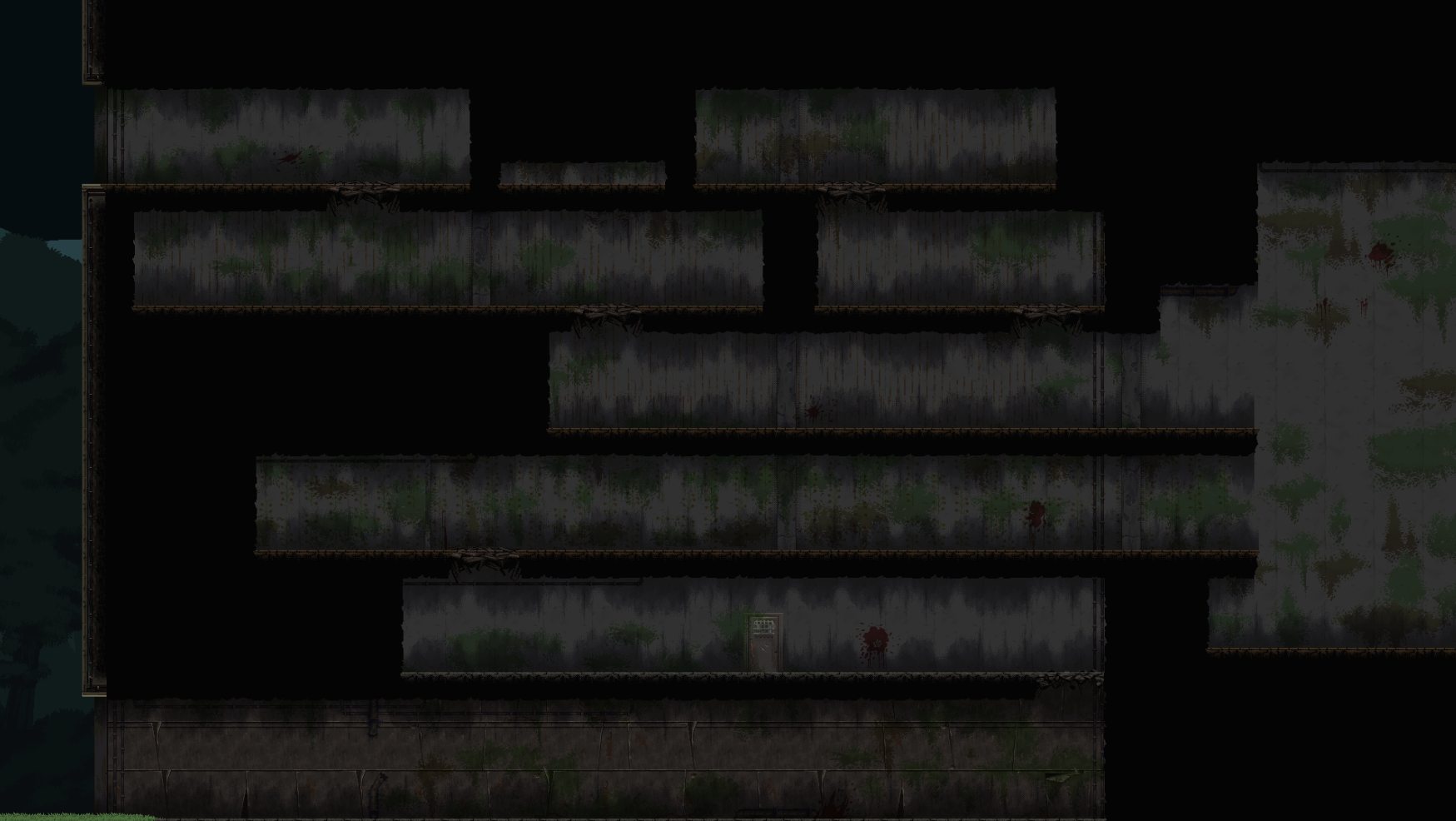
Then some walls that have definitely seen better days
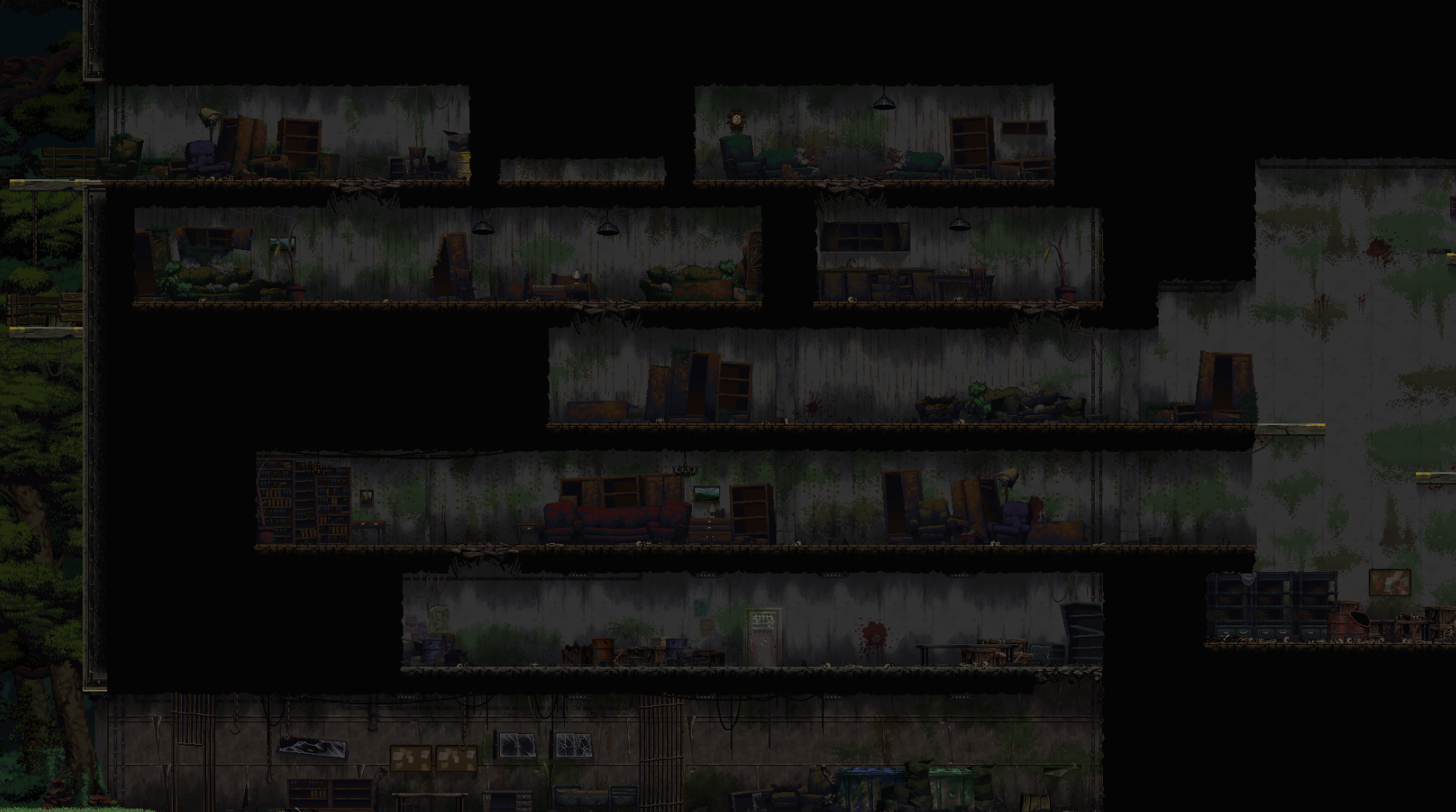
A couple of pieces of furniture and some scattered details
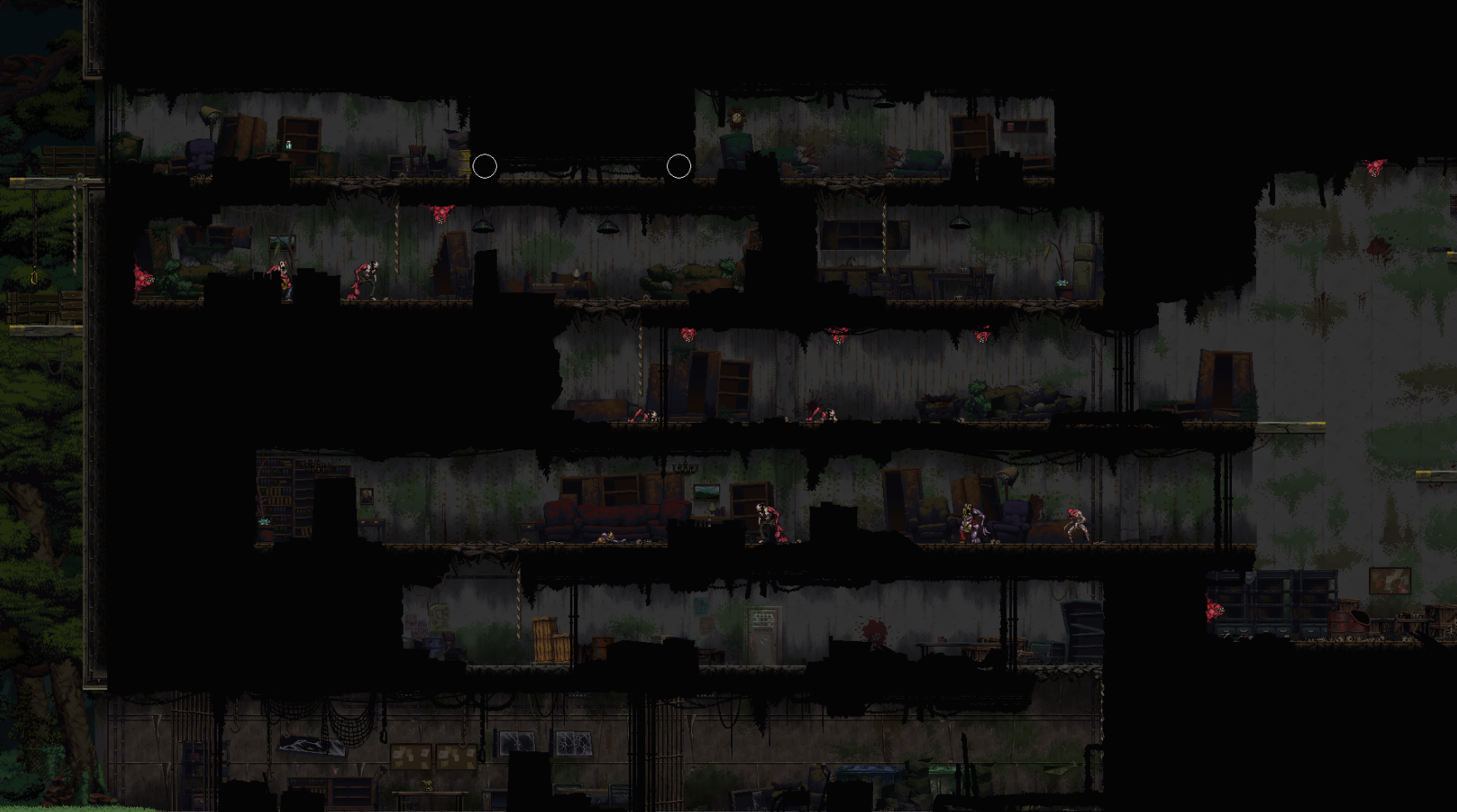
And done! Post-apocalypse fun for the whole family
And then comes my favorite part: the small stories.
Nothing is ever truly finished. I still tweak older levels sometimes. But I also learned something important - you can refine a level forever. At some point, it’s better to move on. Or even better... make a new game.
Closing
Tortura is full of challenges - for players and for us as developers. It can feel overwhelming at first. But if you survive the so-called “warm-up” (what Looters call a rookie’s first run through the safer outskirts before reaching an enclave), things start to open up.
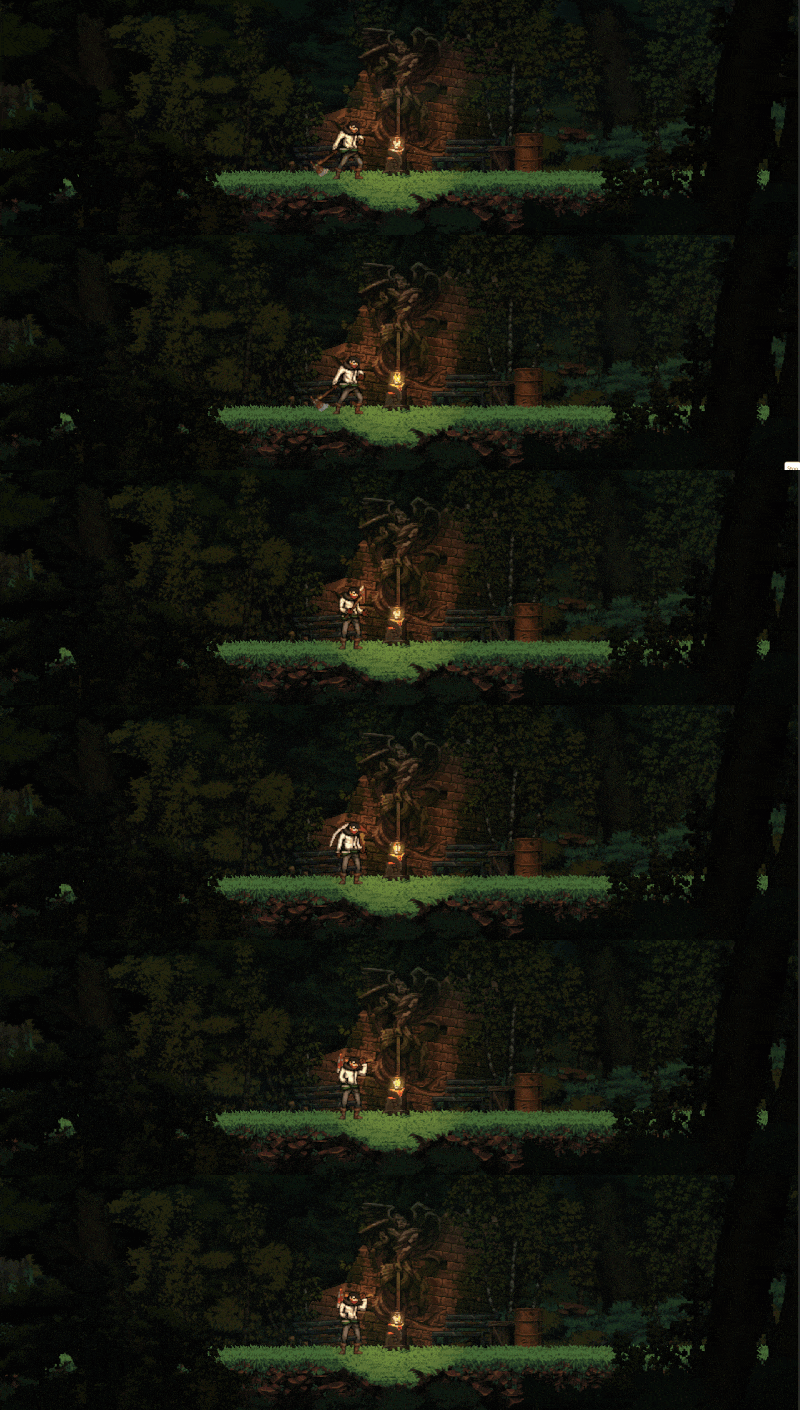
Still a few more trees to cut down before this forest is finished
Our goal was always to create challenge - but also satisfaction. Satisfaction from mastering routes, defeating enemies, surviving traps, and uncovering secrets that aren’t immediately visible.
If you decide to spend your time exploring Tortura and the story of our nameless protagonist, I hope you’ll feel that satisfaction.
And maybe - just maybe - you’ll stop for a second in some ruined room... and imagine what happened there.
https://store.steampowered.com/app/1163020/The_Looter/