Behind the Scenes: The Engine Powering Moons That Belong
Welcome to our development blog for "Moons That Belong". Today, we're pulling back the curtain to show you the technology that's bringing our game to life. Let's take a look at the V4K engine and how it's shaping our development process.
V4K Engine: The Heart of Our Universe
At the core of "Moons That Belong" is the V4K engine, a powerful tool we've customized for our game. Think of it as the foundation of a house - it's not something you see directly, but it's crucial for everything else to work properly.

What Makes V4K Special?
- It's Lightweight: V4K is designed to be small but mighty. This means our game can run smoothly on a wide range of computers.
- It Works Everywhere: Whether you're on Windows, Mac, or Linux, V4K has got you covered. It even supports web browsers!
- It's a Swiss Army Knife: V4K handles everything from graphics and sound to player input and network connections. It's like having a whole toolbox in one neat package.
- It's Flexible: We can easily customize how things look and work in the game, allowing us to create the unique visuals of "Moons That Belong".
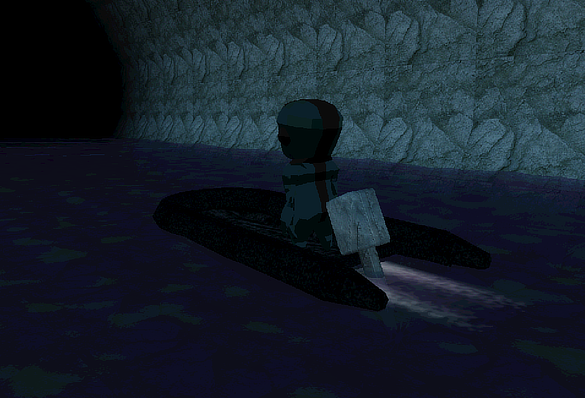
Example of a game visuals prototype built on the V4K engine.
Early stages of the game development
It all started with an idea. A game where you conquer another nodes and supply logistics would become the important part of such gameplay:
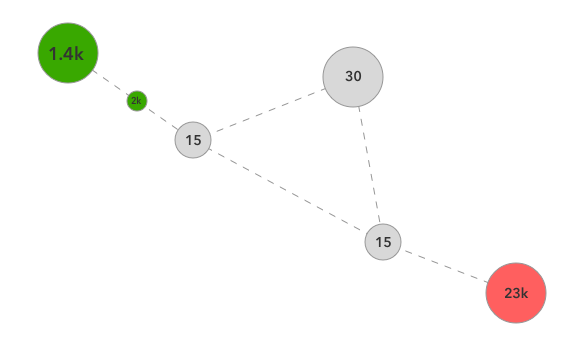
It did not take long for us to implement a crude version of galaxy generation:

Then came the visual pass. Initially, we thought of rendering planets and moons within the space, but it did not make as much sense for us to render those without having any stars in the game. Still, this was the final pass before we've decided to change things a bit:

Meanwhile, the gameplay portion of the prototype was implemented. Originally, the game had no ticking system for battles and unit invasions were resolved instantly. This led to balancing issues, because the game heavily favored players with the most systems in possession. It's fast-paced nature also went against our original game design goals we've crafted:
How V4K Helps Us Build "Moons That Belong"
Creating Vast Galaxies
One of the most exciting parts of our game is exploring vast, procedurally generated galaxies. V4K helps us create these universes in several ways, whether it's the art authoring tools or access to a powerful rendering API.
Curious about our galaxy net generation? These steps are taken to build it:
- System Placement: We use a technique called Poisson disc sampling to place star systems. This ensures that systems are spread out in a natural-looking way.
- Connecting the Dots: After placing systems, we generate the lanes that connect them. This creates the network of pathways you'll use to explore the galaxy.
- Keeping Things Connected: We've also made sure that all systems connect to the main galaxy network. No isolated systems floating off on their own!
All with the use of V4K's engine API and utilities it offers, galaxies generate on demand, anytime.
Making It Look Good
V4K allows us to create the unique look of "Moons That Belong":
- Custom Visual Effects: We've created special shaders (think materials) for things like stars or other space phenomena. These effects help bring our universe to life. Whether it's the bubbly star, or the fancy glow coming out of the systems, it's all written in shader code with lots of math behind.
- Post-Processing Magic: After rendering the basic scene, we apply several effects to enhance the overall look. This includes things like subtle color adjustments and atmospheric effects. Our post-processing stack is the heart of the game's visuals and it heavily influences the atmosphere of our game.
- Less Is More: V4K might not support fancy rendering features found in other game engines, but that's better for its own good. It allowed us to shape the looks and feel exactly the way we wanted without having to hack/tinker with the engine to achieve such results. Mostly everything feels like lego bricks and right now the brick foundation is very stable.
The rendering stack is optimised towards instanced rendering which we utilise to render various UX elements within the game. Systems use a two-pass rendering technique to render the spherical object and the glow billboard itself.
Our Development Philosophy: Keep It Simple
Throughout our development process, we follow the principle of "Keep It Simple, Stupid" (KISS). V4K's design fits perfectly with this approach. It allows us to create complex gameplay while keeping the underlying systems straightforward and efficient.
The key is to avoid feature creep and think through every decision or feature proposal, consider its impact on the existing game design and systems implemented and then carefully integrate it while maintaining ease of use for you gamers, as well as low code footprint for us developers to keep things easy to maintain.
Looking to the Future: Multiplayer Possibilities
While "Moons That Belong" is currently a single-player experience, V4K includes features that could allow for multiplayer gameplay in the future. We're excited about the possibilities this opens up for expanding the game down the line.
But that is a topic for another day!
Conclusion
The V4K engine is the unsung hero of "Moons That Belong". It allows us to focus on creating engaging gameplay and a vast, interesting universe for you to explore. As we continue development, we'll keep pushing V4K to its limits, optimizing performance, and potentially expanding its capabilities.
WHISHLIST our game on Steam, and be sure to catch more news as we are approaching the release date announcement. Stay tuned for more behind-the-scenes looks at the development of "Moons That Belong"! Next time, we'll dive into the game's gameplay mechanics and supply logistics that made this game happen.
https://store.steampowered.com/app/2649280/Moons_That_Belong/?beta=0
What aspects of the game's development are you most curious about? Let us know in the comments!