Welcome to our new blog series where we share short interviews with the people creating Lost Legions.
Each post gives someone from the team a chance to talk about what they’re working on, what they enjoy, and what challenges they face.
We hope this format gives you a fresh and personal look at how the game grows.
Introduce yourself:
Hi, I’m Ruben. I’m a Junior Level Designer at Tarock Interactive, and I’ve been working on Lost Legions for the last 6 months.
I started as an intern in summer and apparently made a name for myself, because I was offered a junior position shortly after. In my time here I learned a lot about building an open world.
What I enjoy most is giving players a good experience when they explore the game.
My main job is to plan and structure the world, especially the points of interest like enemy camps or places where players can find loot.
What are you working on right now, and why are you excited about it?
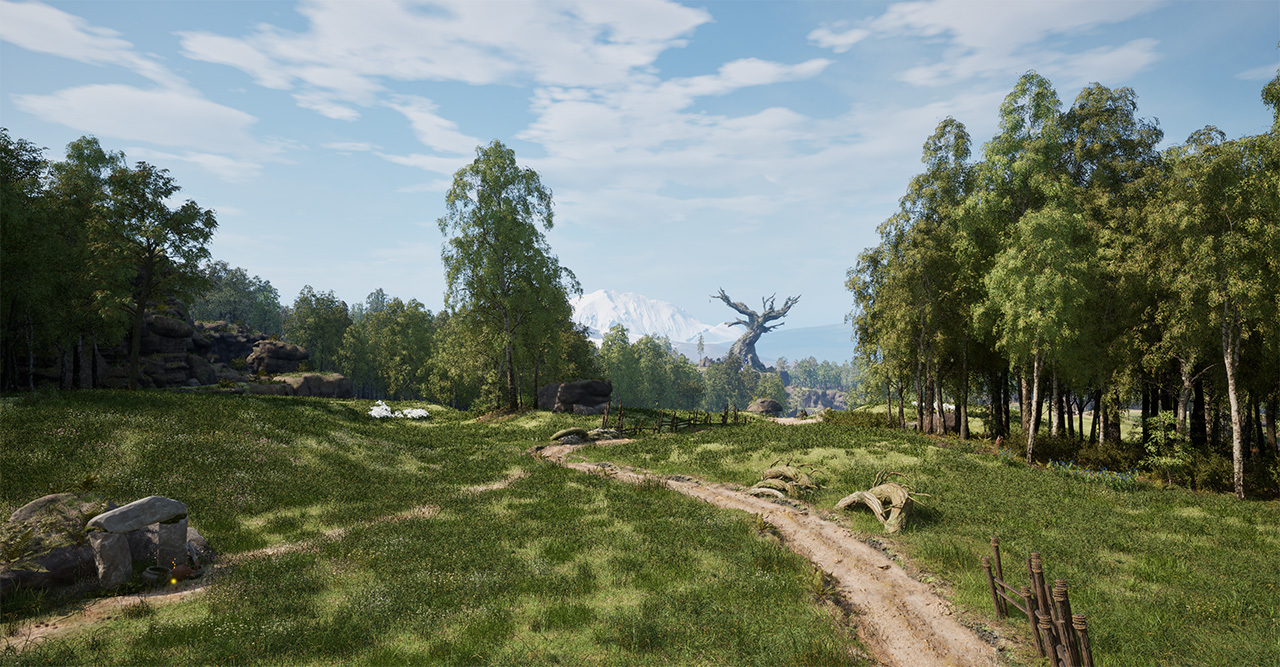
Right now, I’m working on the first big biome, the Meadows. Inside this biome, we have different sub-areas, and at the moment I’m building a bigger Germanic camp. It’s a lot of fun to plan this camp so that it works well for gameplay and player guidance. I’m also very excited to see how it will hold up during the upcoming playtests and what players will do in this place. I’m really looking forward to that.
What challenges do you have at the moment, and how do you solve them?
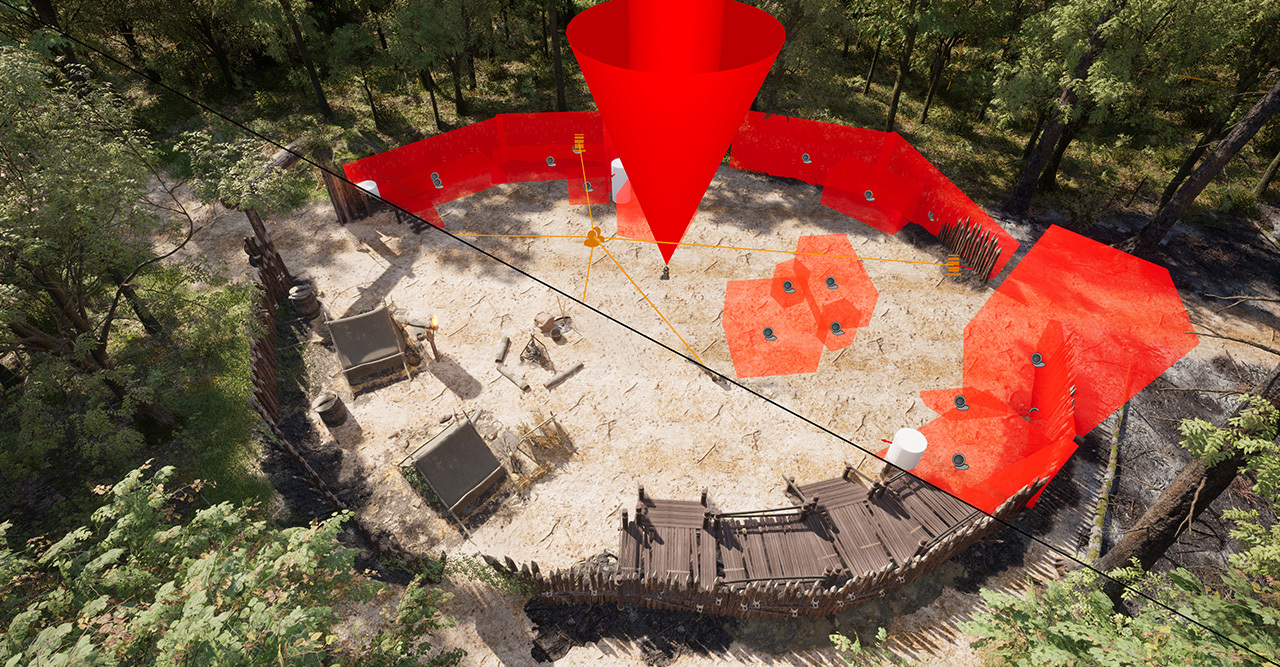
This Germanic camp is special because it is part of a stealth mission. So the layout needs to be different from the normal camps in the world. For this, I had to do some research again, because I’m still learning a lot as a junior. I looked into how stealth gameplay works, what players need, and how cover is usually placed. Now I try to use that knowledge. For example I place tents so players can use them as hiding spots or sneak around. In other camps, open combat is normal, but here stealth also needs to feel good.
How does your workflow look from the start of a task until it is done in the game?
When I get a task like “design this biome and polish it,” I split it into smaller steps. First, I plan the area on a 2D map. I decide what we need in this biome, where points of interest should be, and how everything connects. I think about how players move through the area and what they can discover.
After the 2D planning, I start reworking the landscape in the engine. I shape the terrain and paint it, deciding where forest, meadow, or other materials go. Then I move into the blockout stage, which is the process of planning directly in the engine with basic shapes like cubes. With player guidance in mind I place torches, fences and other small elements that help the player to understand their surroundings and what they can do. After that I clean everything up and add some comments before I hand it all over to the environment artists for set dressing. Which is the process of detailing the environment with items. After that comes the polishing and optimizing stage. Based on final observations and feedback I tweak the object placements, fix small things, and make sure the area has the quality we want. It’s a step by step routine, from rough to fine.
How does the Roman survival setting change your work?
Building an open world with a story is already a challenge. On top of it, our setting is based on history and mythology. You are a Roman soldier in Germanic lands, and the world around you needs to feel like that. You can not just place any camp somewhere. It needs to look Germanic and fit the 'feel' of the area. The whole team supports me on my quest. Some with knowledge about historical context, some with technical expertise or game design direction and others by playtesting and providing feedback. We all come together in the world design to create something special.
What do you think players will appreciate the most from your recent work?
Right now, probably the Germanic camp. I spent a lot of time on it, and I think players will enjoy taking it over, attacking it, and eventually looting it. But I also think exploring the whole biome will feel rewarding, because the individual areas become more unique the more time I spend on them. Wherever you go in our game, the world should offer something meaningful to the players, and I think that makes exploring fun.
How do you make players feel like a soldier behind enemy lines?
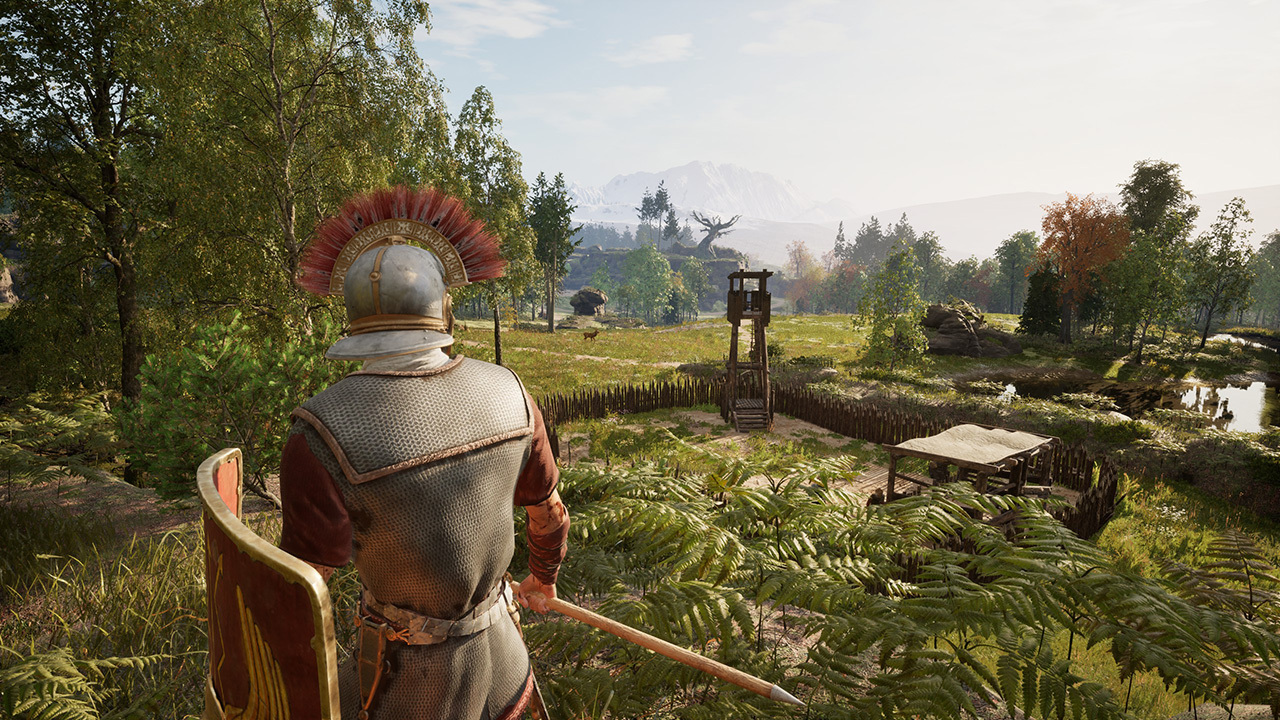
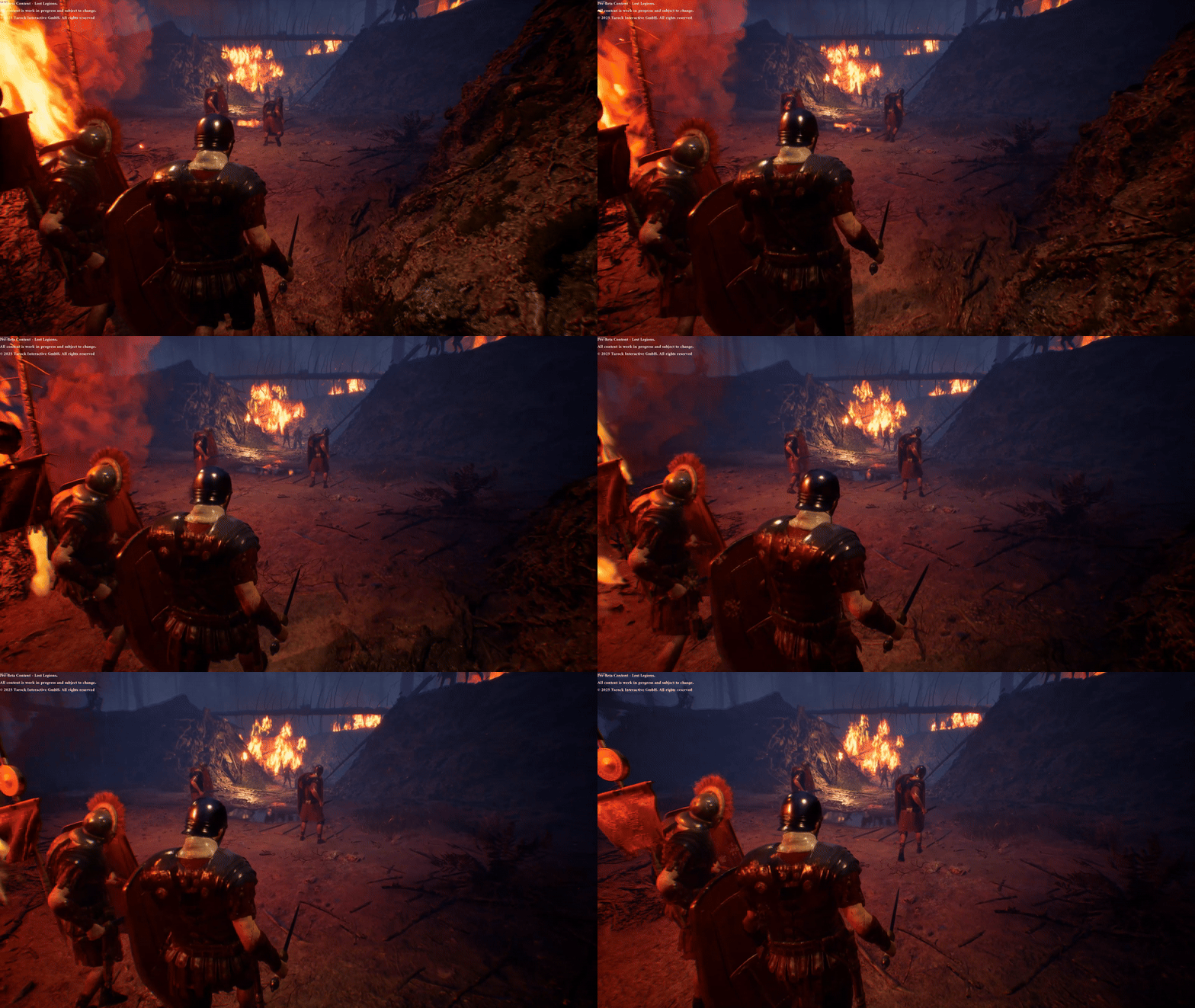
In our game world, the player is almost always surrounded by Germanic encampments from small hunting posts to large, heavily fortified strongholds. As a Roman unit deep in enemy territory , you constantly have to regroup, plan, and adapt to whatever the world throws at you. Depending on your playstyle, different strategies can lead to success: sometimes things get tough, sometimes you slip through unnoticed, but you always have a fighting chance.
As in all survival games you start with nothing, and need to build your gear up as the game progresses. This also means that you need to be aware of the loadout of your opposition and regularly fortify yourself to focus on advancing your technology.
Capturing camps is a core part of progression, and their placement is designed to give players hidden opportunities. If you prefer, you can use a stealthy approach or try an all out open attack.. I want players to constantly make decisions about how to solve a specific problem, basically how we imagine legionnaires would to survive in a hostile environment.
What upcoming moments are you most excited about in the next one to two months?
The Meadows biome is nearing completion, and reaching the point where we can finally say ‘this is ready’ will be a huge milestone for me. It feels like I’ve been working on this area since day one. Looking ahead, I’m especially excited about the upcoming community playtest. The thought of players exploring something I’ve built makes me come to work everyday. I’m eager to see what resonates with them, what needs improvement, and to use that feedback to refine the level design for our Early Access release. Thankfully that date is a bit farther away in the future, because there is still so much I want to add in the game.
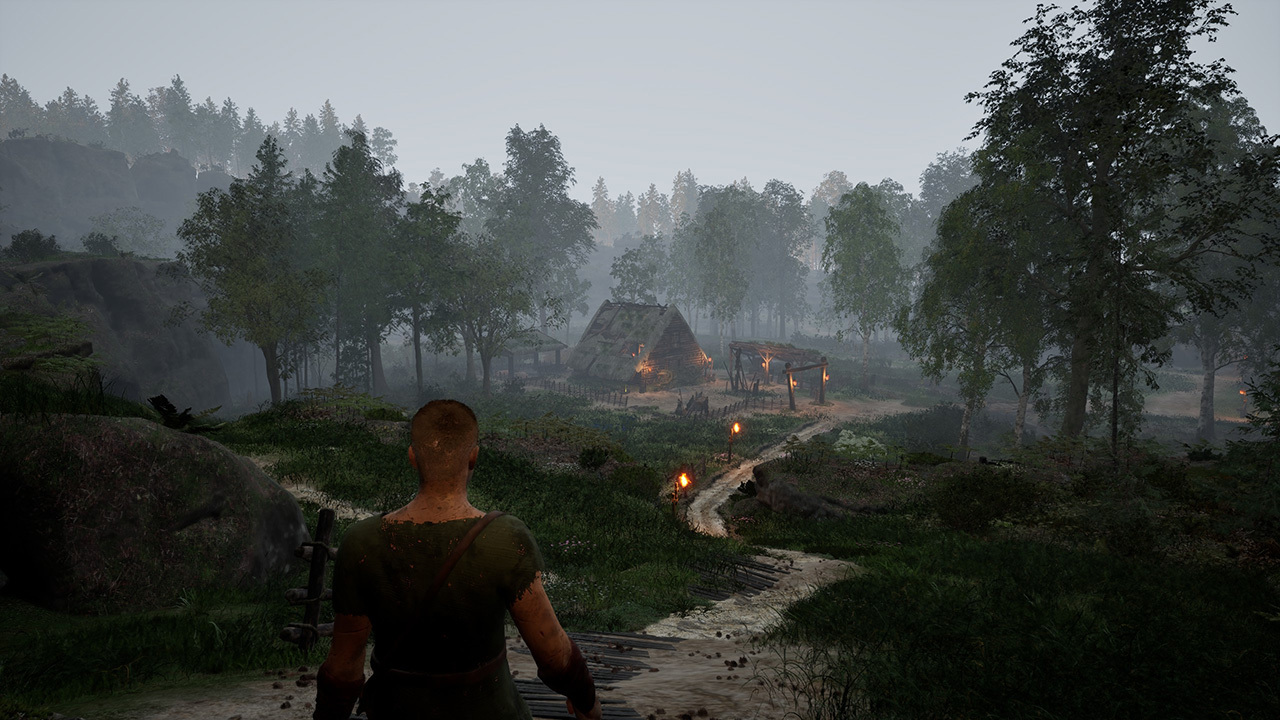
That’s it for today’s chat with Ruben. The Meadows biome is getting closer to the finish line, and it’s great to see how much detail goes into every camp, path, and generally all points of interest.
We’ll continue sharing more details from behind-the-scenes for you soon. Stay tuned and thanks for hanging out with us.