Hello, Tensor citizens!
Today, we want to discuss one of our game's most important aspects: Bosses. What makes them special, how do we design them, and why do they stand out? The answer is a unique approach to their development. Still, we don't want to spoil all the fun, so we promise not to tell too much and keep the element of surprise.
So, we talked to our senior game designer, Dmitry Oshchepkov, who outlined the principles and foundations of our special approach to developing every nuance of exciting boss fights in SPINE.
What Makes a Great Boss?
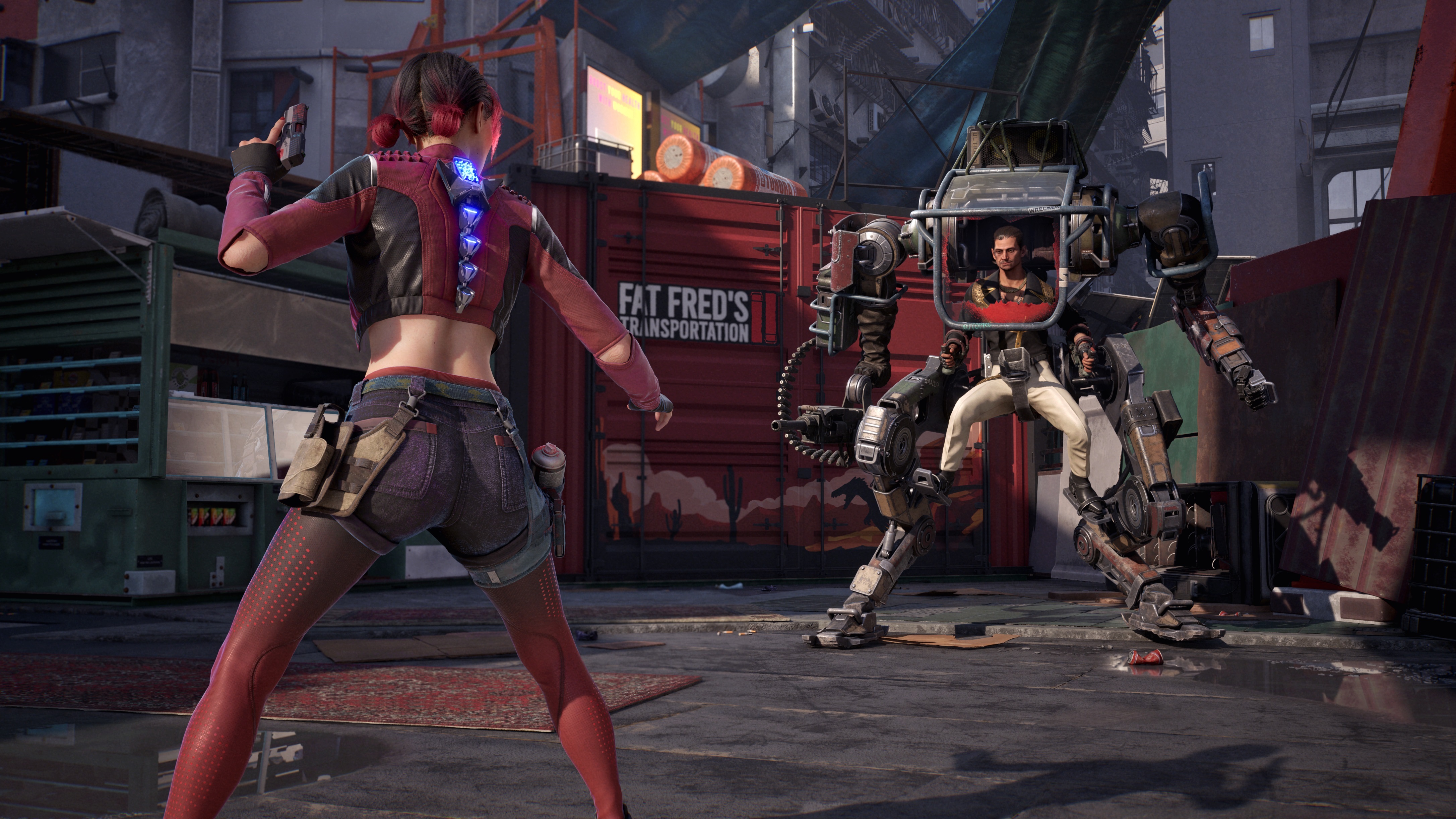
Before we started developing boss fights, the team and I agreed that they would stick to the SPINE’s core gameplay pillars: Freeflow Gun Fu combat, cinematic presentation, responsive controls, and that all-important feeling of being the action movie hero. But bosses need something extra to stand apart. So we set a few points that have to make them feel unique:
- A Sense of Spectacle
A boss fight should make an impact, whether through its choreography, stakes, or sheer intensity. - Memorability
They need to leave a mark—whether it’s through their personality/visual design, combat mechanics, or unique instances. - Original Combat Design
Every boss introduces something new to the fight, making each encounter feel fresh. - Competence
A boss should feel like a skilled adversary, not just an enemy with a bigger health bar. - Fair but Tough Challenge
The fight should be demanding but rewarding, pushing players to improve and adapt.
There are many things to consider here and to be sure we’re keeping the balance, we’re working with iteration. So we decided to hold weekly studio-wide playtests, gathering feedback and making adjustments. Some bosses evolve dramatically through this process, shifting from their initial concept to the climax of a short action movie feeling we’re aiming for.
From Concept to Combat
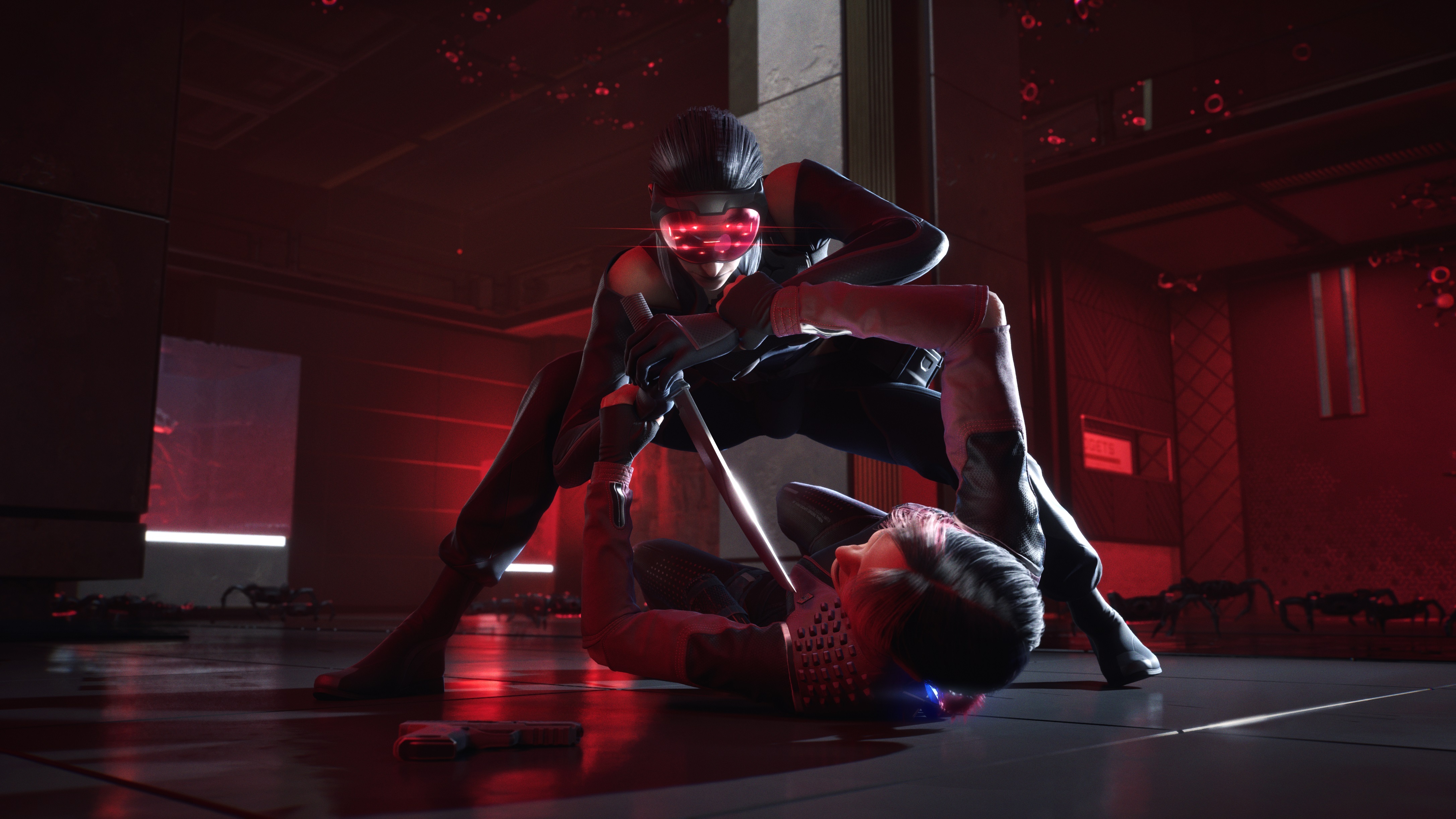
Every boss starts with a strong identity created by our talented narrative team. Writers flesh out their backstory, personality, and motivations, laying the foundation for their visual design and combat behavior. But to keep this vision consistent across teams, we define bosses through three layers:
- Outer Layer
What players immediately see: their silhouette, combat style, voice, and presence. This determines whether they exude brute force, precision, or unpredictability. - Middle Layer
Personality traits that influence their fighting style, like arrogance, relentless aggression, or a tendency to toy with the player. - Inner Layer
The more profound, often unspoken characteristics—regrets, ambitions, or hidden vulnerabilities—reflected in cutscenes, animations, or environmental storytelling.
Once this groundwork is in place, artists and designers refine the character’s look and movement while our game design team experiments with mechanics matching their persona. If a boss is meant to feel relentless, their attacks should occur rapidly. If they’re a master marksman, their accuracy should be unmatched.
Shaping the Fight
In SPINE, every mission plays out like a short action movie, often with a victory over the villain at the end. That means each boss fight must push both Redline and the player to their limits—a real test of movement, timing, and reaction. So, we always start with rough prototypes—using placeholder animations and effects—to experiment with attack patterns and pacing. Then, through iteration, we refine animations, AI behavior, and visual cues.
A significant part of this process is balancing power and agility. Each boss falls somewhere on a spectrum:
- Strength vs. Speed
Do they crush opponents with raw force or rely on lightning-fast precision? - Gun Fu vs. Traditional Combat
Do they mix ranged and melee combat seamlessly, or do they favor one? - Human vs. Enhanced
Are they grounded in realism, or do they have unique abilities that set them apart?
Every move needs to be readable. A boss should challenge the player but never feel unfair. Carefully designed telegraphs—subtle shifts in stance, animation anticipation, and sound cues—help players react and improve with each attempt.
Martial Art of Animation
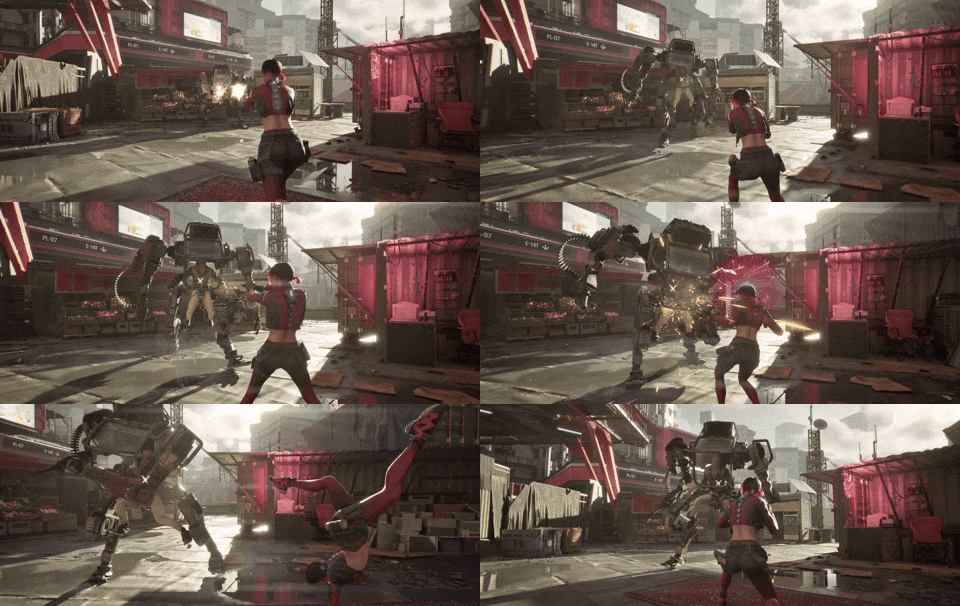
SPINE’s combat is all about fluid, stylish movement, and boss fights demand our best work. We closely collaborate with our animators, ensuring that every motion feels deliberate and weighty, whether an attack, dodge, or moment of hesitation.
We start by defining the boss’s combat identity, categorizing them on multiple scales with different questions that we have to answer:
- Novice vs. Professional
Do they fight with a seasoned assassin's precision or a brawler's unpredictability? - Minimal vs. Maximal Gun Fu
Do they lean heavily into stylish gunplay or keep things grounded? - Comical vs. Menacing
How exaggerated or serious is their animation style?
Once we have a clear direction, we perform multiple animation passes, fine-tuning every detail. Motion capture provides a realistic base, but we exaggerate key movements to make attacks feel weighty and satisfying, using Cascadeur software. We test these animations in real gameplay fights, adjusting timing and impact until everything clicks.
Gun Fu Challenges and Freeflow Solutions
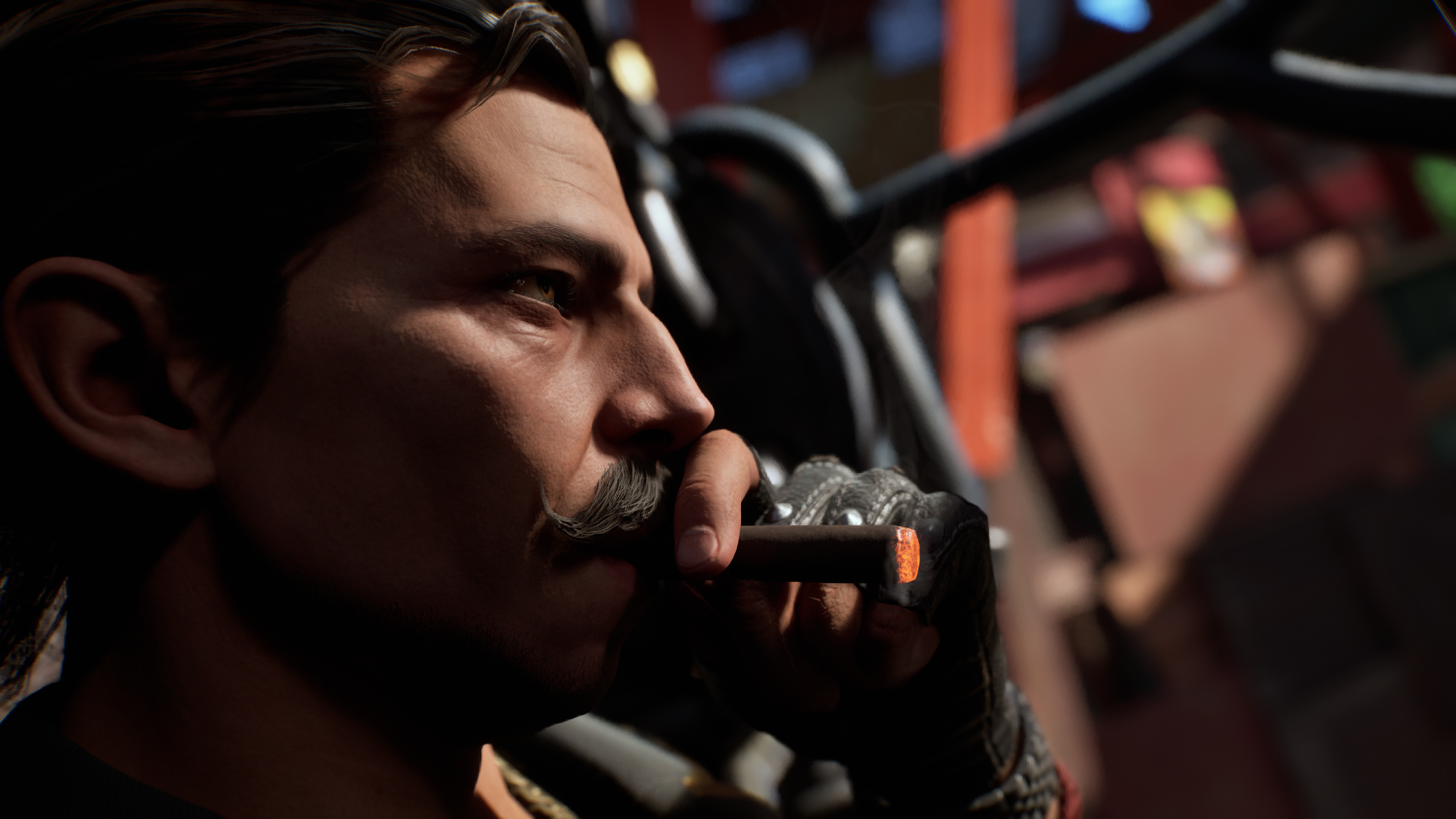
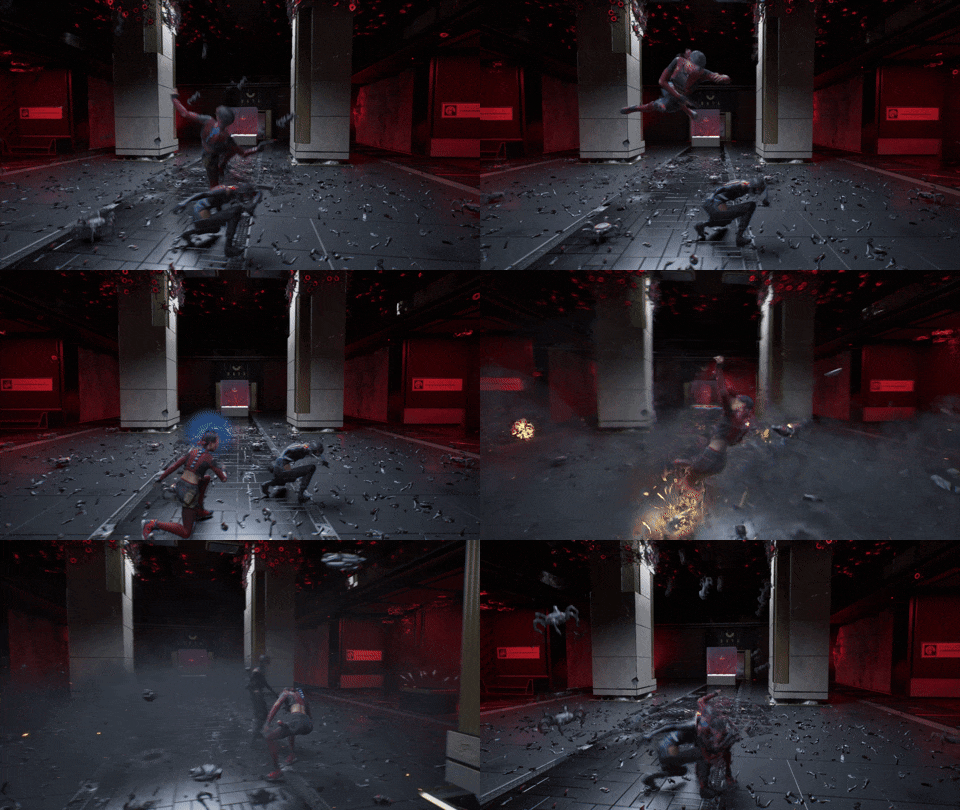
Even with a well-structured approach, challenges always arise. One of the biggest is making them visually distinct—a boss should be instantly recognizable, with a clear silhouette and striking design. Ensuring clarity in combat is another crucial factor. Players need to quickly read enemy movements, even in high-speed battles. We achieve this through carefully designed attack animations and clear visual cues.
Balancing realism with gameplay is also key. SPINE is grounded in reality, but sometimes we bend realism slightly to maintain fluidity and fun. Ranged combat, in particular, presents challenges—Gun Fu fights need careful pacing to keep ranged attacks engaging rather than passive. We solve these issues through constant iteration, joint playtests, and department collaboration. Every minor tweak—whether to an animation, attack pattern, or visual cue—brings us closer to a truly exhilarating fight.
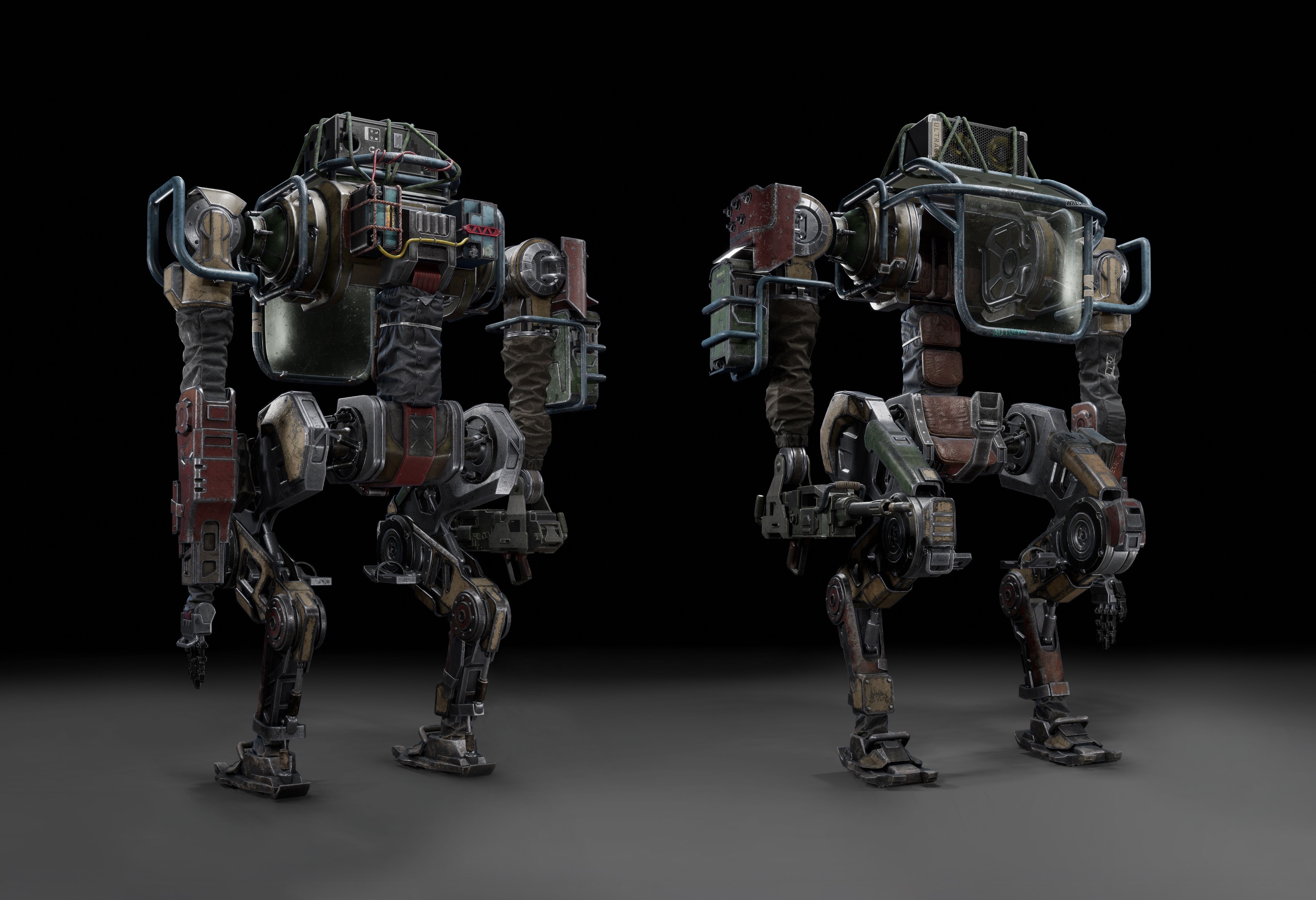
Looking Ahead
A boss battle in SPINE isn’t just about difficulty—it’s about spectacle, skill, and a distinctive cinematic feel. We crafted every detail, from the first concept sketch to the final polished fight, to create something that sticks with players.
As we refine each encounter, we’re excited to share more of the world, the characters, and the gameplay that defines SPINE. There are plenty of details to reveal, and we can’t wait for you to take on these battles yourself.
Stay tuned—some of the toughest, most cinematic fights in the game are still ahead.
To stay immersed in the world of Tensor City and SPINE development, check out our:
Q&As:
Development Blogs:
https://store.steampowered.com/app/1731290/SPINE__This_is_Gun_Fu/