ARPGs have always been about combat, heaps of loot and most importantly power fantasy. The last generation of ARPGs was so successful that characters now slice through hundreds of monsters per minute, barely breaking a sweat. This success has given rise to a new trend: slowing the genre down under the banner of creating more meaningful combat...
In early 2020, I created an internal document labeled ARPG Innovation to compile important topics related to the genre. I knew we couldn’t compete with big IPs on the market and believed that, to have even a slight chance of success with our next game, Dreadhunter, we had to bring something new.
Among various key topics (like progression systems), combat design stood out as the absolute core focus. I explored different approaches to combat and realized there’s a limit to how far you can go with the industry standard setup. The main culprits are point-and-click movement and automatic regeneration.
Movement
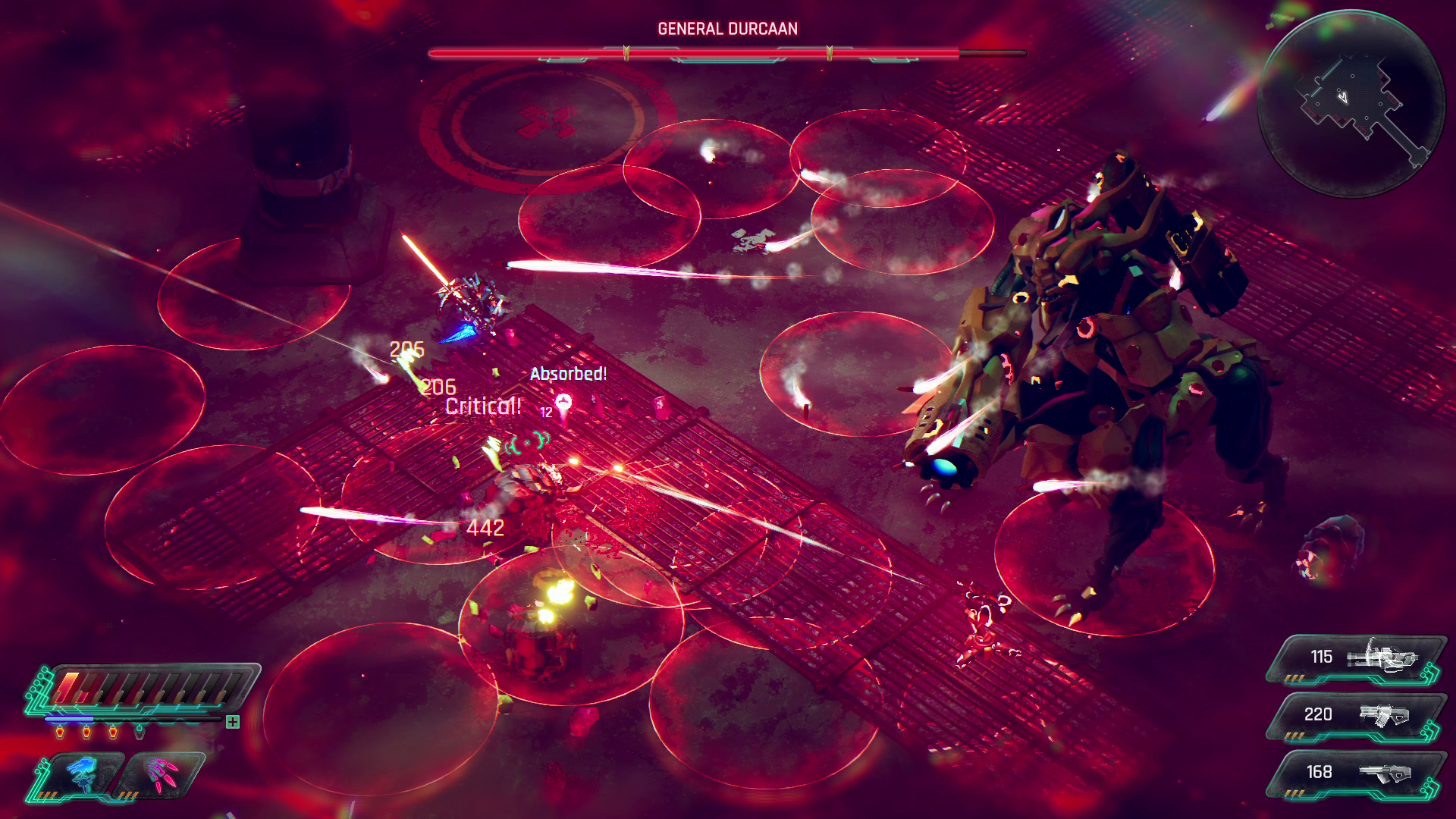
The first step to improving ARPG combat is simple: add a dash! Since 2020, almost every major ARPG has introduced dash or dodge-roll mechanics, making it hard to imagine the genre without them. The next step is adding WASD or twin-stick movement, elevating mobility to another level. Now the hero is faster, and it’s much harder to put him in danger, but so far, so good for the power fantasy.
Automatic Regeneration
To challenge players, enemies must deal massive damage in a very short time due to automatic health regeneration. However, when the player can move quickly, dodge attacks, and regenerate rapidly, the only way to create a sense of danger is with extreme damage in short timeframe—often resulting in infamous "instakill" bosses.
Slowing the Game Down
One solution is to branch the genre toward soulslike combat. This involves slowing the character down, reducing the number of enemies, and making fights more tactical. It works well if you want to keep automatic regeneration, which is obviously integral part of current ARPG consenzus. On the other hand, the power fantasy takes a significant hit here.
You Don’t Need to Slow the Game Down
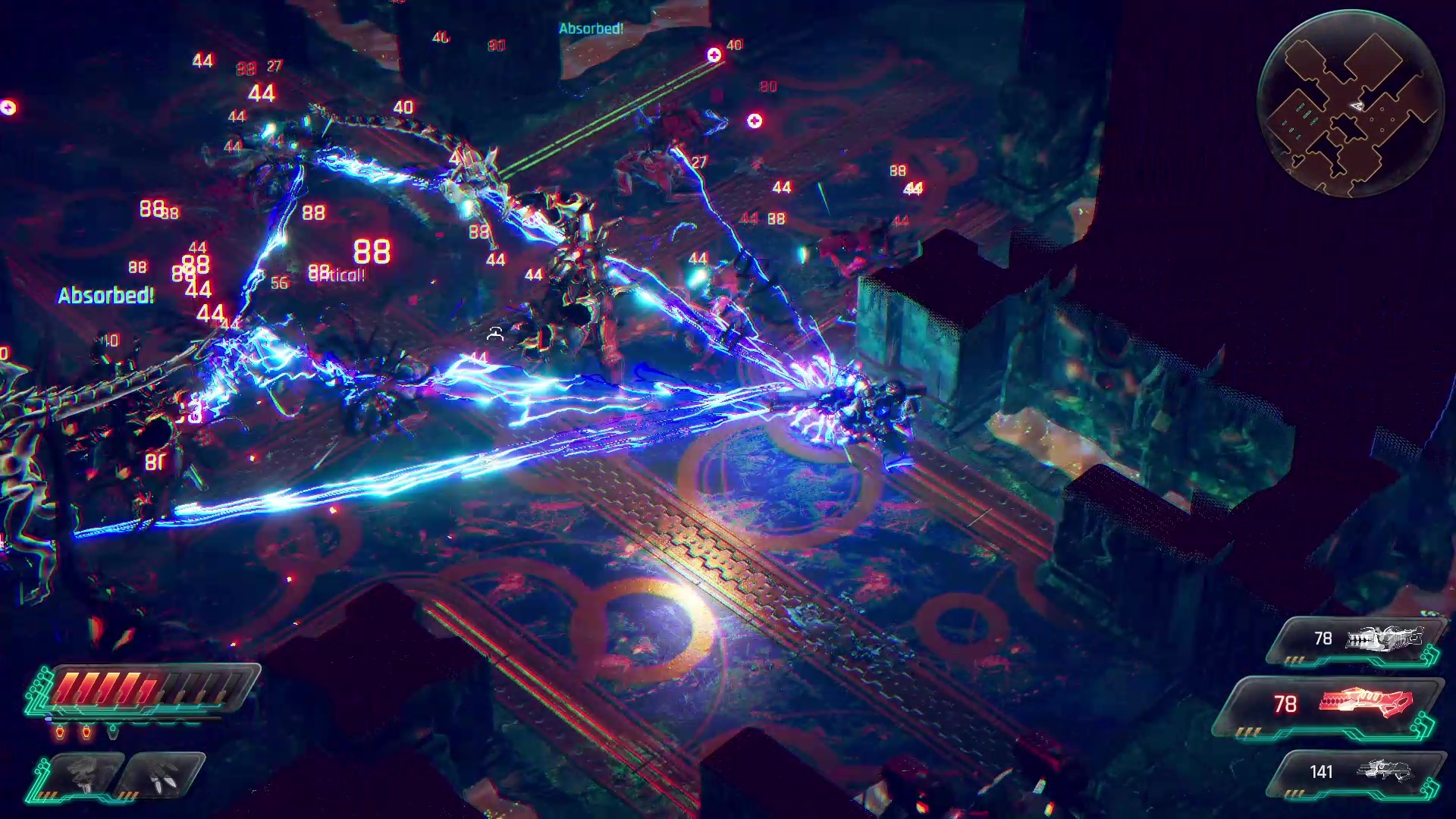
While trying to innovate combat for Dreadhunter, I found that there is another way to branch off from the usual ARPG combat design, one that allows us to keep the fast gameplay, power fantasy, and meaningful combat all at once.
- Health Recovery Through Action
Health regenerates only when you’re actively engaged in combat. You can’t simply run and wait for your health to restore. The primary source of healing comes from melee kills, requiring you to engage enemies up close. There are other ways to get health, but all require you to at least go and pick up health drops from the ground. It may seem like a minor thing, but it’s huge. - High Mobility
The character moves quickly and has relatively long dash with a short cooldown, enabling constant motion. The enemy attacks are set up so that if you stop, they will quickly hunt you down. And while you're zooming around, the environment itself is part of the combat too. - Dynamic Enemies
To match the player’s high mobility and evasion, enemies are faster and equipped with special abilities like special long-range attacks, leaps, teleports etc. Some players who’ve seen our gameplay videos say, “The gameplay is too fast.” But it’s not—try it! It is what becomes possible when movement, controls, weapons, and enemies are in sync and precisely set up for fast-paced action.
The Result
The combination of an active combat loop, fast-moving enemies with diverse abilities, and precise design keeps players in a state of flow. This approach not only brings something new to the ARPG genre but also delivers a unique experience.
What do you think?
Matouš Ježek, designer