From Pixel-Inspired Prototype to Fast-Paced Horror FPS: DEEPWARD's Evolution
DEEPWARD Demo · published
DEEPWARD did not begin with its current atmosphere, detailed environments, or fast-paced combat. It started as a small prototype built to answer one important question: was it fun to fight while pushing deeper and deeper into a cursed mansion?
Over the past year and a half, that simple experiment has grown into a horror FPS roguelite set in a cursed mansion hidden in the Carpathian Mountains during the 1920s. Here is how the game changed along the way.
We previously shared a short video showing how DEEPWARD has changed. In this devlog, we want to explain the development in more detail and show what changed and why.
It All Started with a Small Prototype
Our earliest prototype was deliberately simple. Both the visuals and combat were rough, and the game did not yet have the atmosphere it has today. At that stage, our goal was not to create final-quality graphics. We first needed to prove that the core experience worked.
This comparison video shows how much DEEPWARD has changed since those early experiments:
Building the Mansion's Atmosphere
The environments in the earliest version were extremely basic. Since then, we have repeatedly rebuilt the lighting, shadows, color palette, architecture, and decoration to create the feeling of a cursed 1920s mansion hidden in the Carpathians.
Rooms that were once luxurious have fallen into ruin. Beneath them lie cellars, torture chambers, caves, and ancient ritual sites. Our goal is not simply to make everything dark. We want every space to feel dangerous while still making you curious enough to discover what lies ahead.
Making Combat Faster and More Intense
Combat in the first prototype was much simpler than it is today. Over the course of development, we improved movement, weapon responsiveness, enemy reactions, and visual effects. The result is a faster and more intense combat system in which standing still can quickly become dangerous.
We are still improving the weapons, enemies, and overall game balance based on feedback from our Steam Playtest.
Switching Heroes, Not Just Weapons
Before entering the mansion, you choose three heroes from a roster of six.
During combat, you do not simply switch weapons. You instantly switch between the heroes themselves, each with a different weapon, abilities, and a separate health pool. If a hero falls, they are gone for the rest of that run.
This Hero Switching system went through many iterations from its earliest concept and has become one of the defining mechanics of DEEPWARD.
From the First Concept to the Present
DEEPWARD did not arrive at its current visual identity in a single step. Early in development, we explored a heavily pixel-art-inspired direction. We then gradually rebuilt the environments, combat, and UI as the game moved further into 3D.
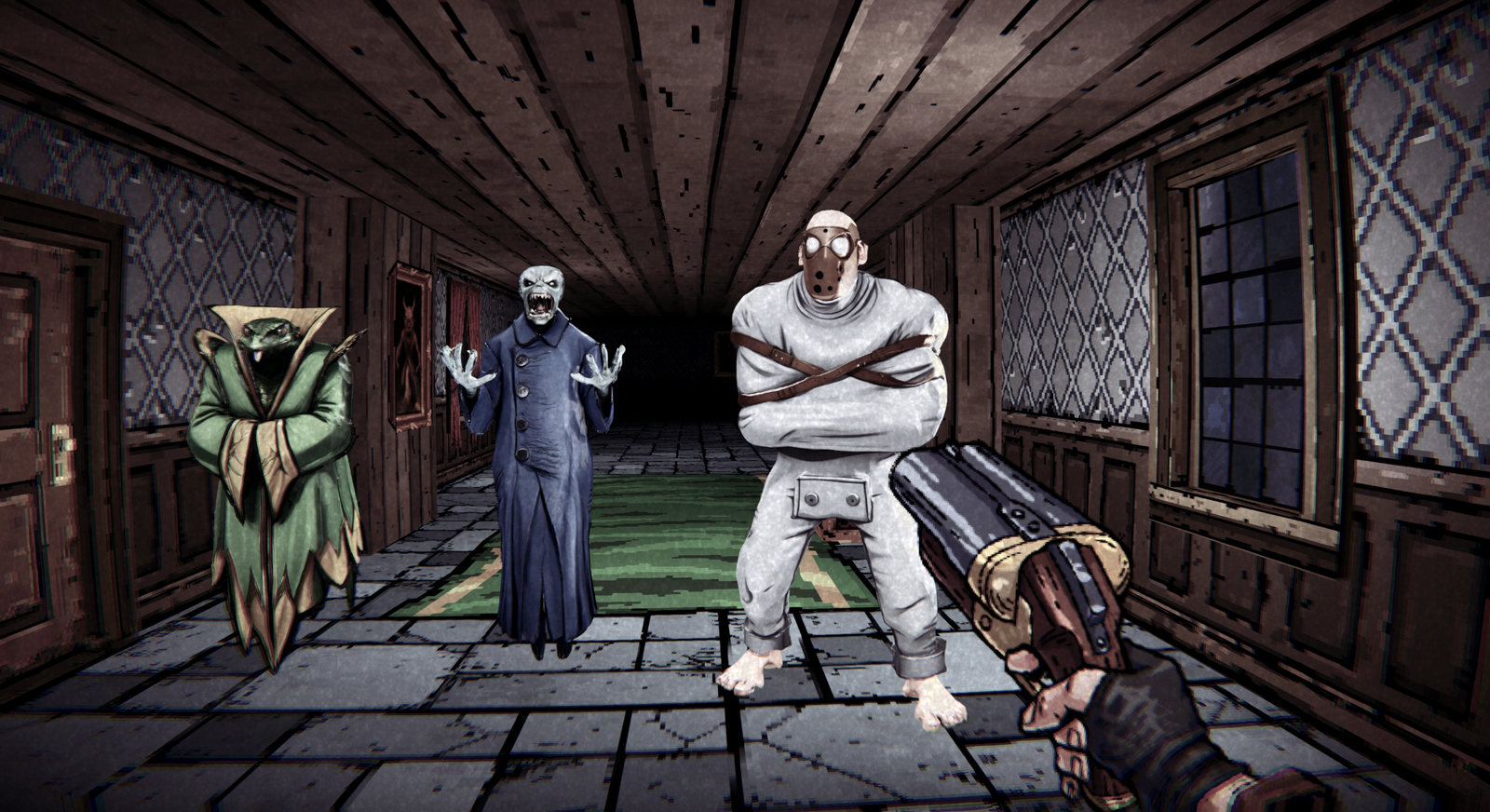
One of the earliest visual directions we explored, with a strong emphasis on pixel-art-inspired visuals.
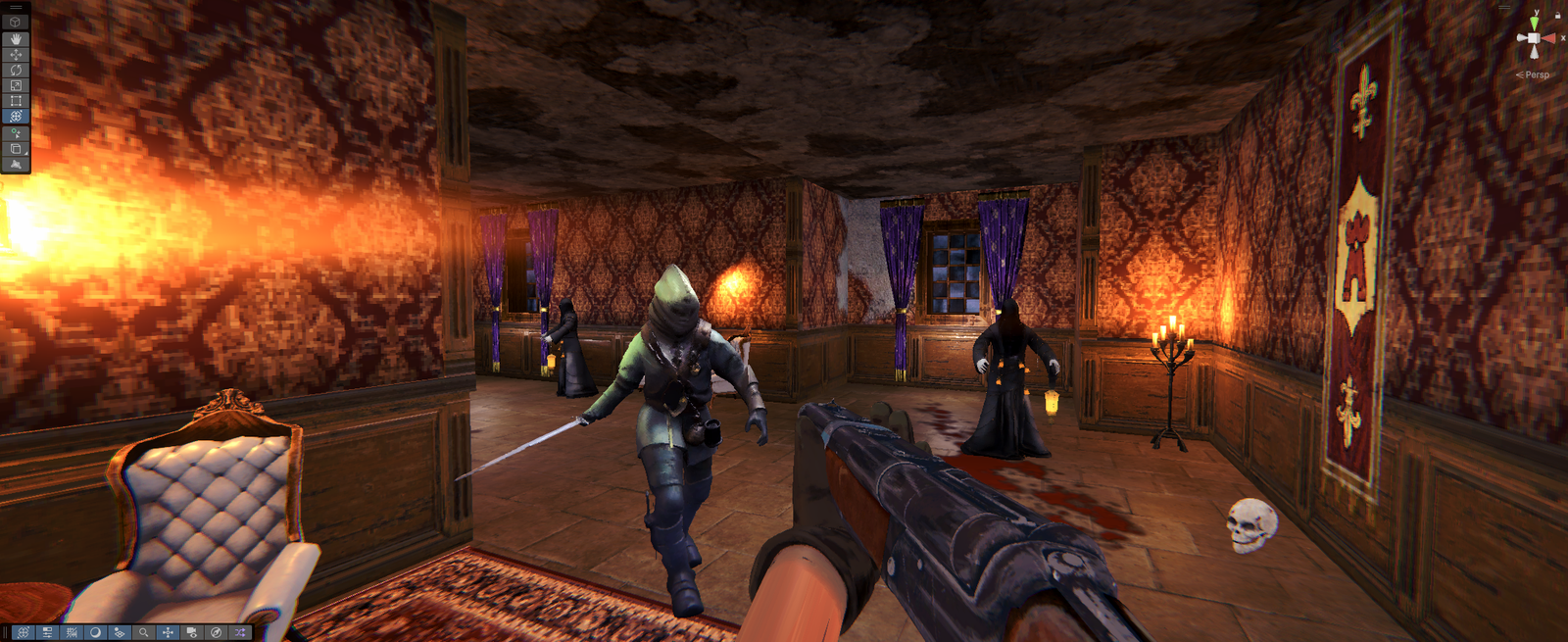
An early stage of the transition to 3D, when we were testing the mansion's structure and the feel of combat.
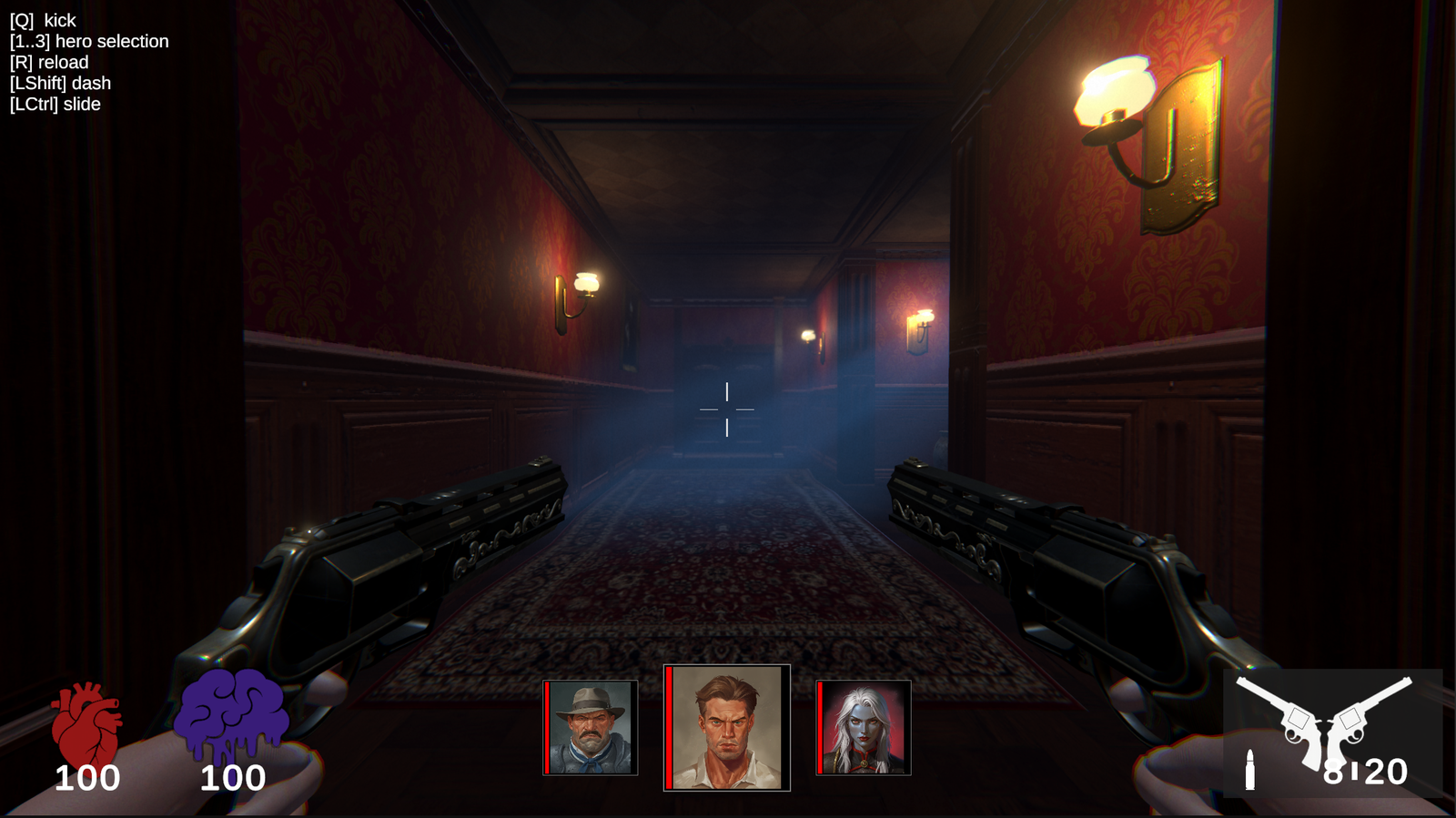
A later prototype in which we began implementing the Hero Switching system and its UI.
And this is what DEEPWARD looks like today:
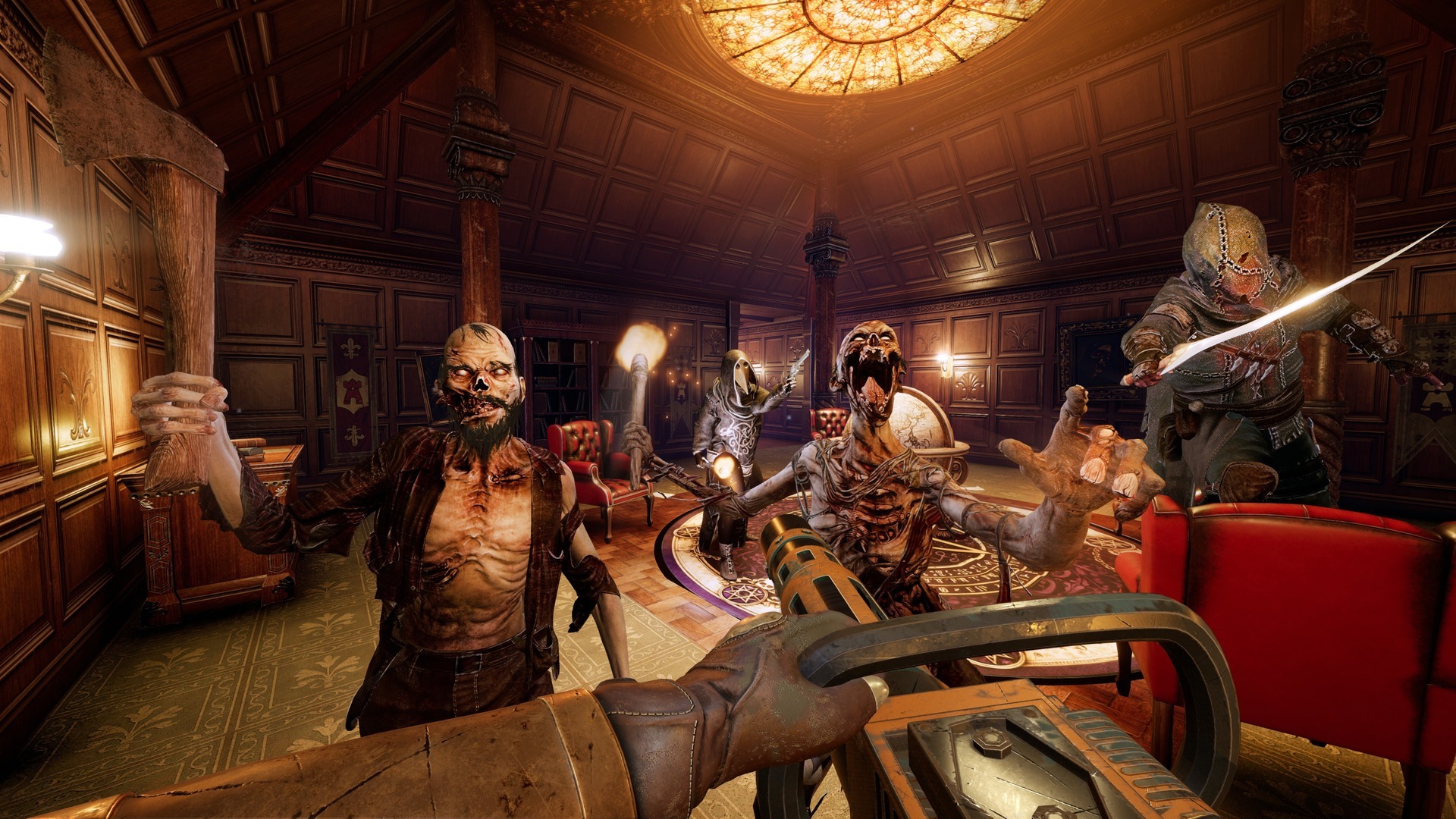
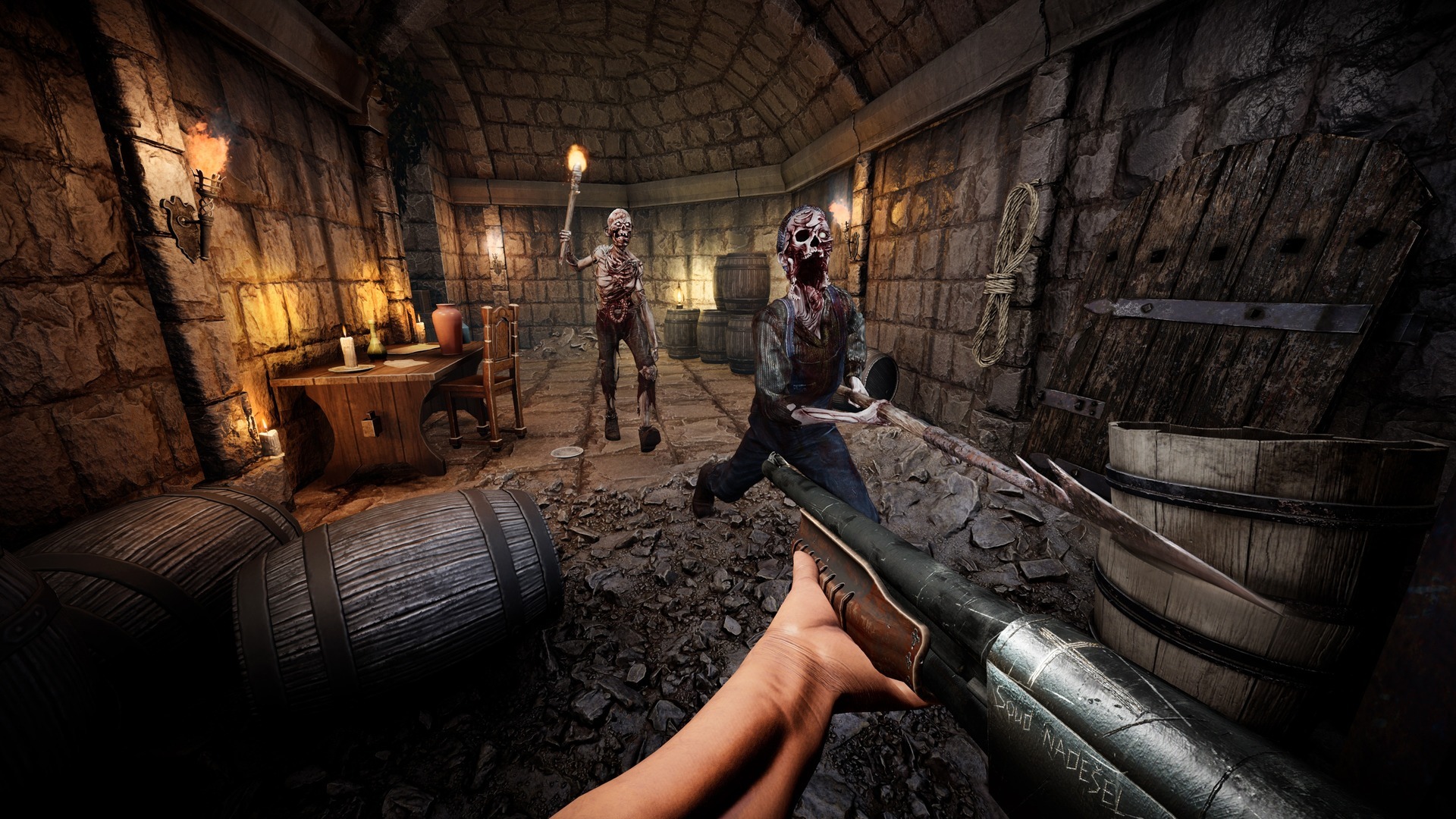
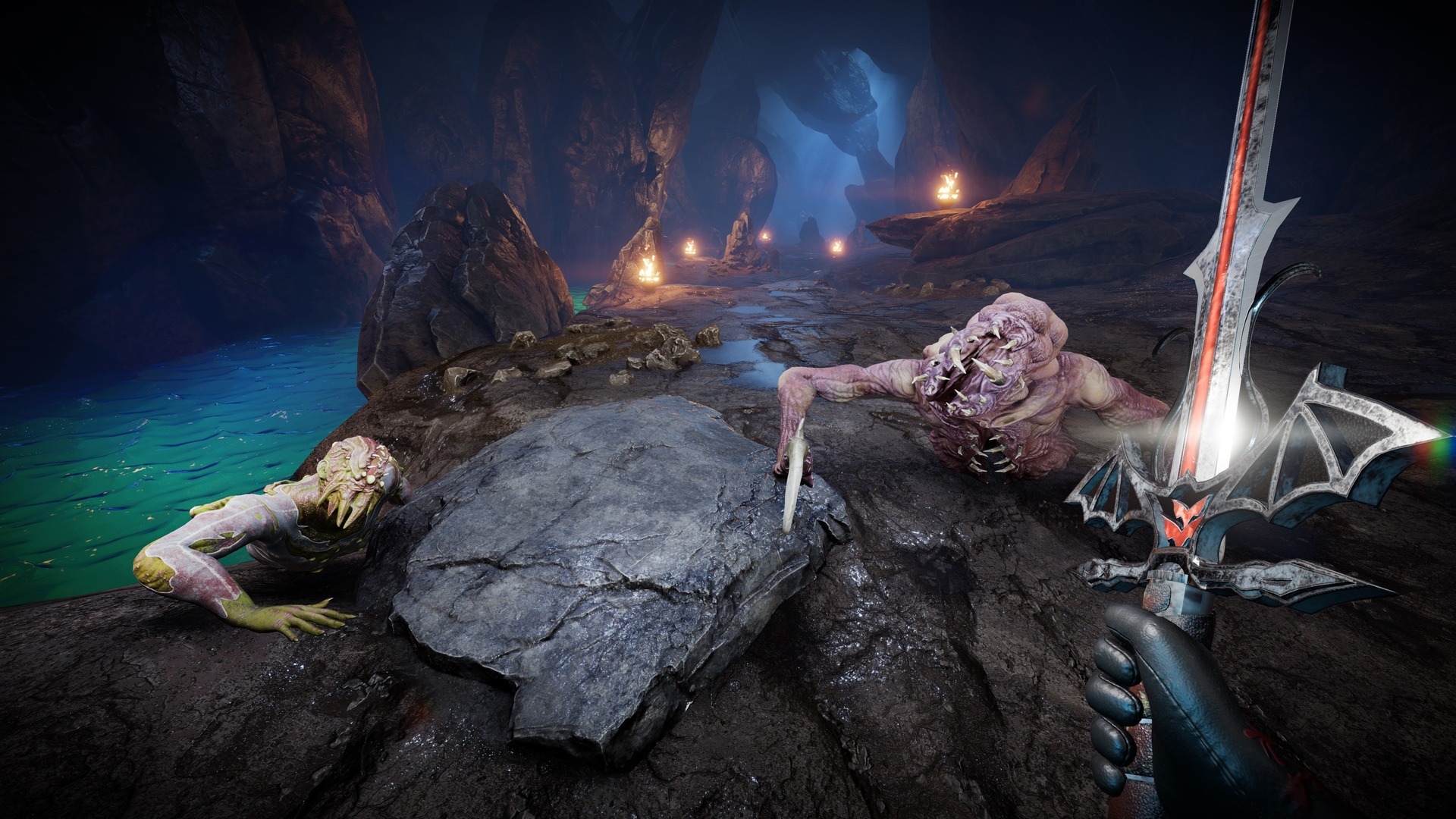
Compared with the early versions, we have extensively rebuilt the lighting, environments, enemies, weapons, and UI.
Where DEEPWARD Is Today
DEEPWARD is still in development, but it has grown enormously since that first small prototype. You can see the current version of the game in our reveal trailer:
In future development posts, we want to share more than just the things that worked. We will also talk about features we rebuilt, ideas that did not survive development, and what we learned from the Playtest.
Next time, we will take a closer look at why DEEPWARD lets you switch entire heroes instead of simply switching weapons.
Which part of DEEPWARD's evolution surprised you the most? Let us know in the comments.