Hello Ship Destroyers!
Ships are the core of Ship Graveyard Simulator 3. Every large structure in the game starts long before production itself - with research, documentation, and understanding how the original vessel was actually built.
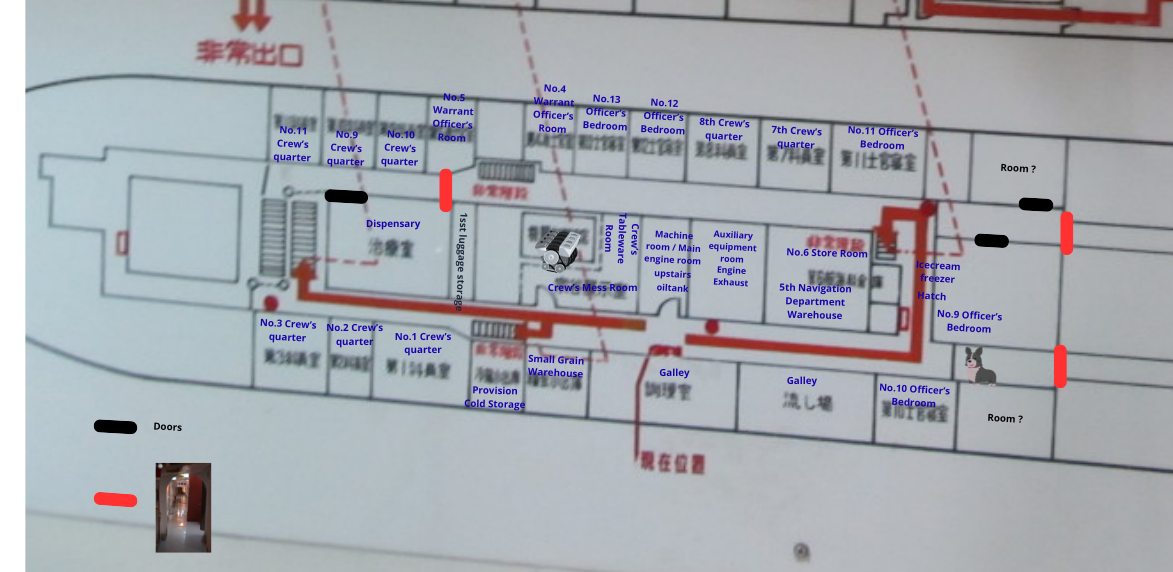
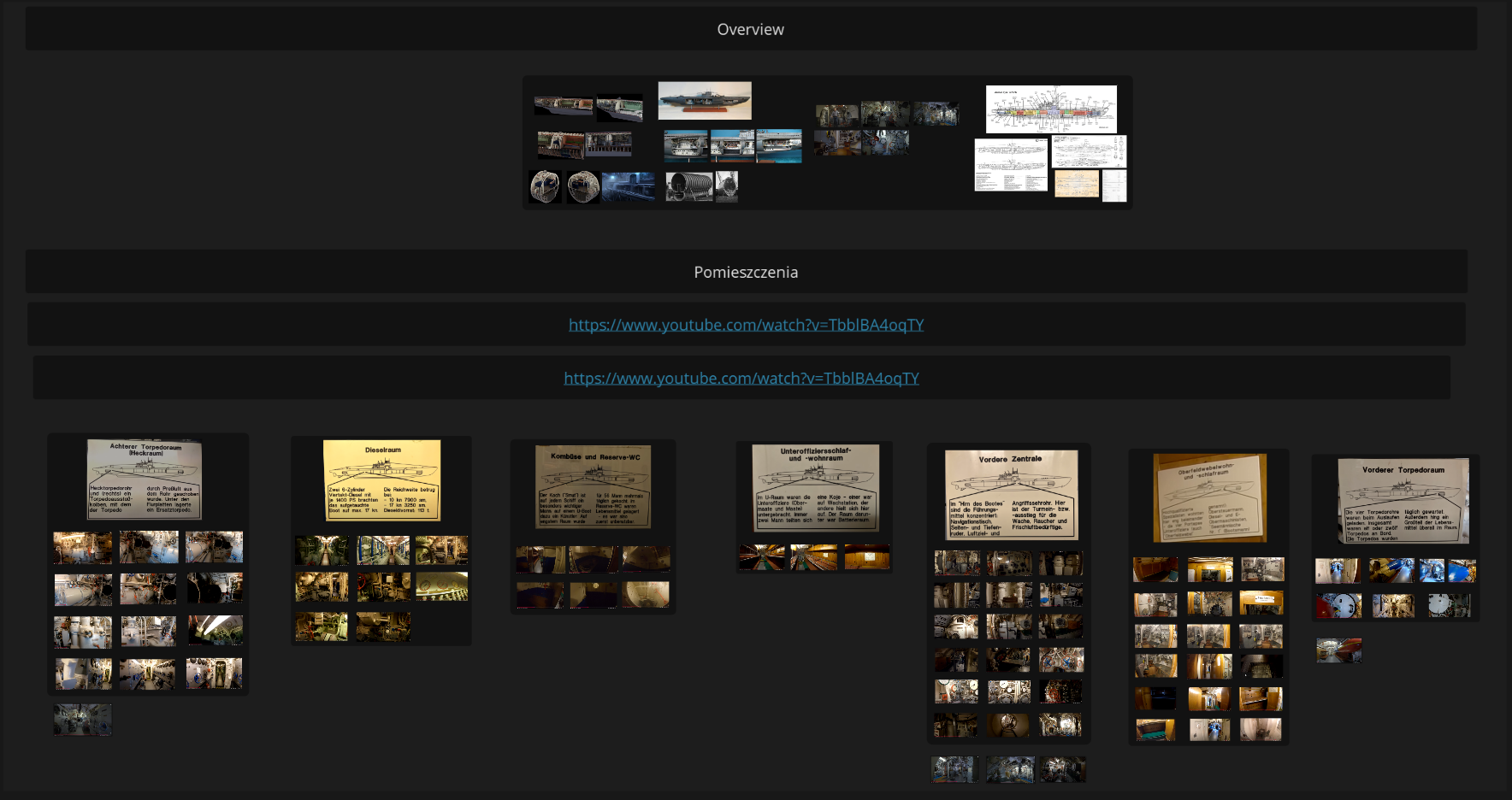
Built from real documentation
All ships in SGS3 are based on real vessels and recreated almost in a 1:1 scale.
In many cases, development started with:
- Archival blueprints
- Technical drawings
- Historical documentation
- Real-world references and photographs
Building a ship required much more than just recreating its shape.
To properly design interiors and layout, we often had to understand:
- How specific sections functioned
- What their original purpose was
- How crew members would actually use them
Whenever possible, we translated original room names and technical markings to better understand the logic behind the ship’s structure.
This research phase became a major part of development.
History matters
Research was not limited to construction alone.
Each ship also required studying:
- Its operational history
- Historical context
- Events connected to the vessel
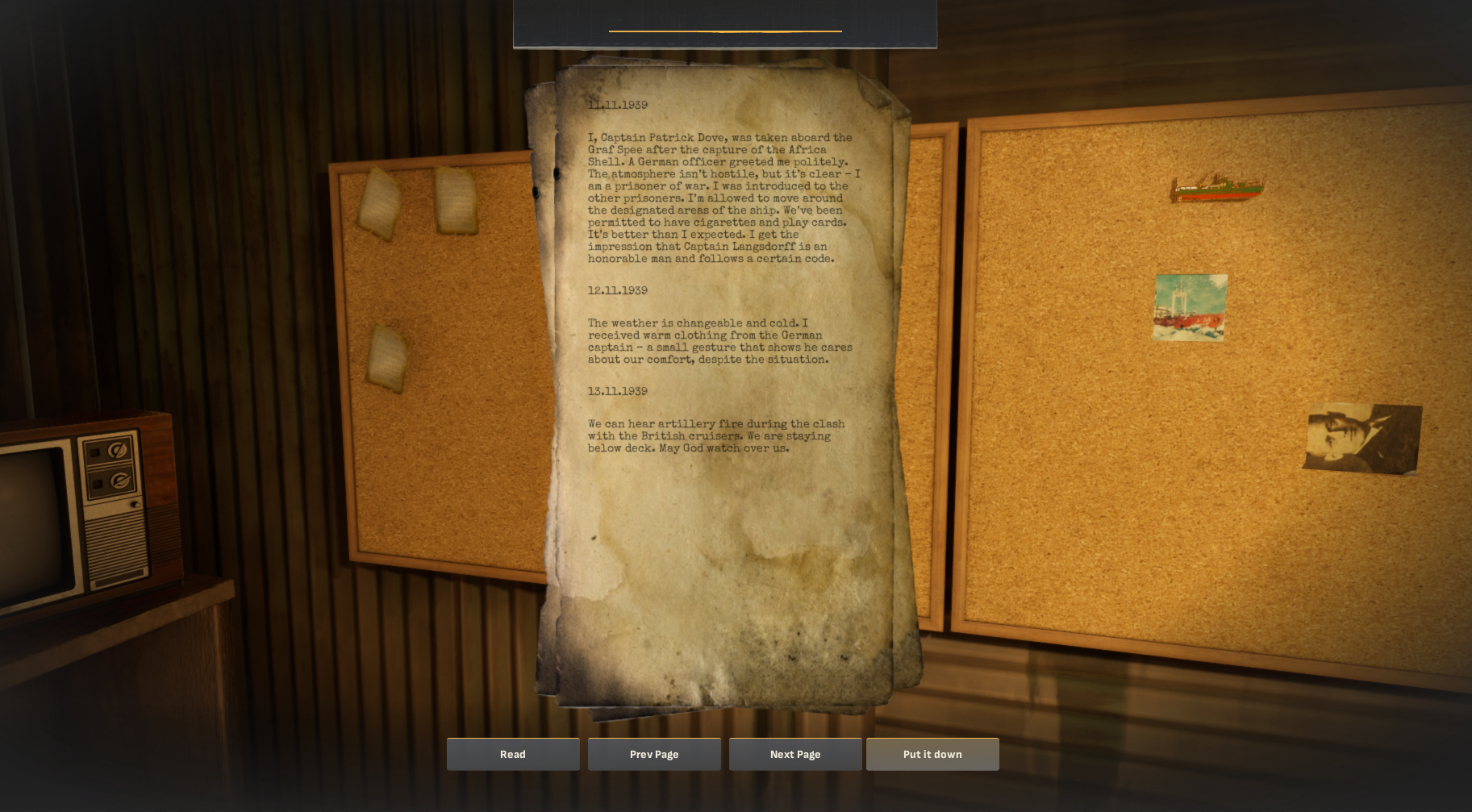
Parts of that research made their way directly into the game through environmental storytelling and collectibles scattered across the ships.
The goal was not to create museum replicas, but to make the ships feel like places that had a history before ending up in the scrapyard.
More interactive than before
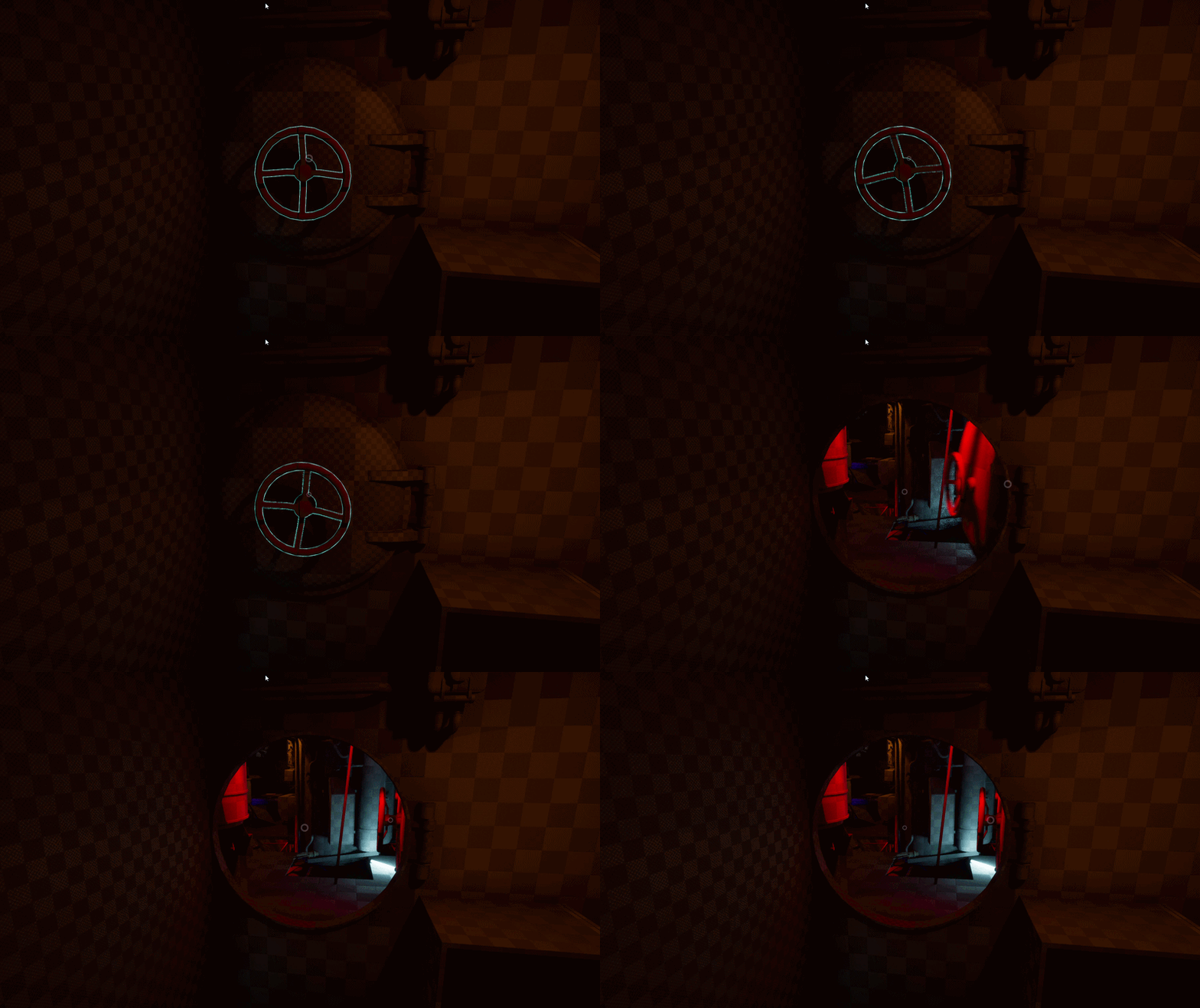
Ships in SGS3 are significantly more interactive than in previous games.
Depending on the location, players can:
- Open doors and hatches
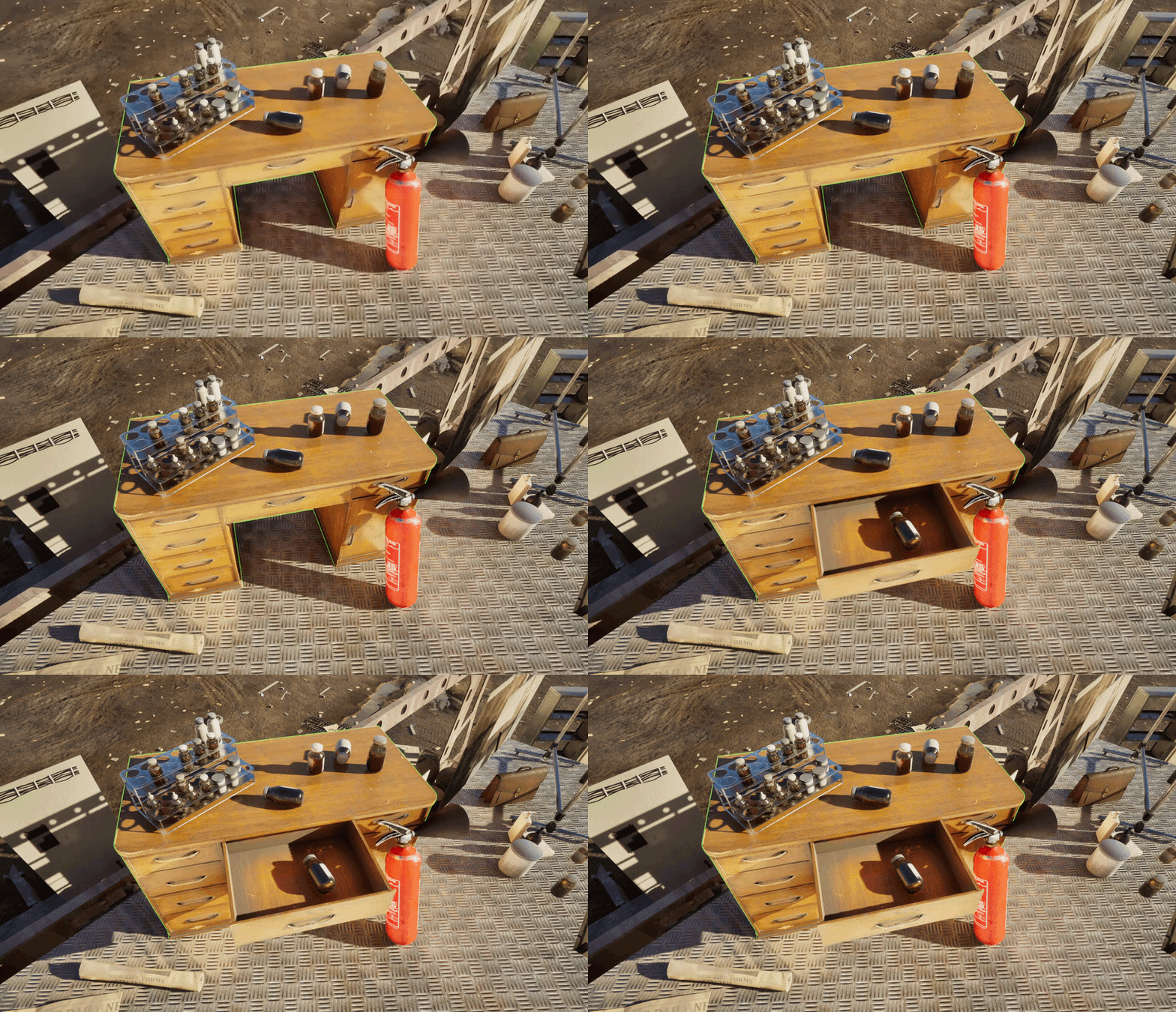
- Interact with drawers and smaller elements
- Activate radios and other equipment
The intention was to make ships feel less like static levels and more like physical spaces.
It’s also worth checking cabinets, drawers and smaller hidden compartments while exploring ships - some of them may contain collectibles and hidden discoveries connected to the vessel’s history.
Real scale, real weight
The ships are not only recreated visually.
We also try to reflect their real-world scale and weight as closely as possible:
- Ship sections have physical weight
- Structural elements are tied into the stability system
- Dismantling affects the overall construction
This is directly connected to the physics systems described in the previous devlogs.
Of course, maintaining realistic ship mass also means the player will need unrealistic carrying strength - but both we and the players have long accepted this as part of keeping the gameplay enjoyable.
From blueprint to scrapyard
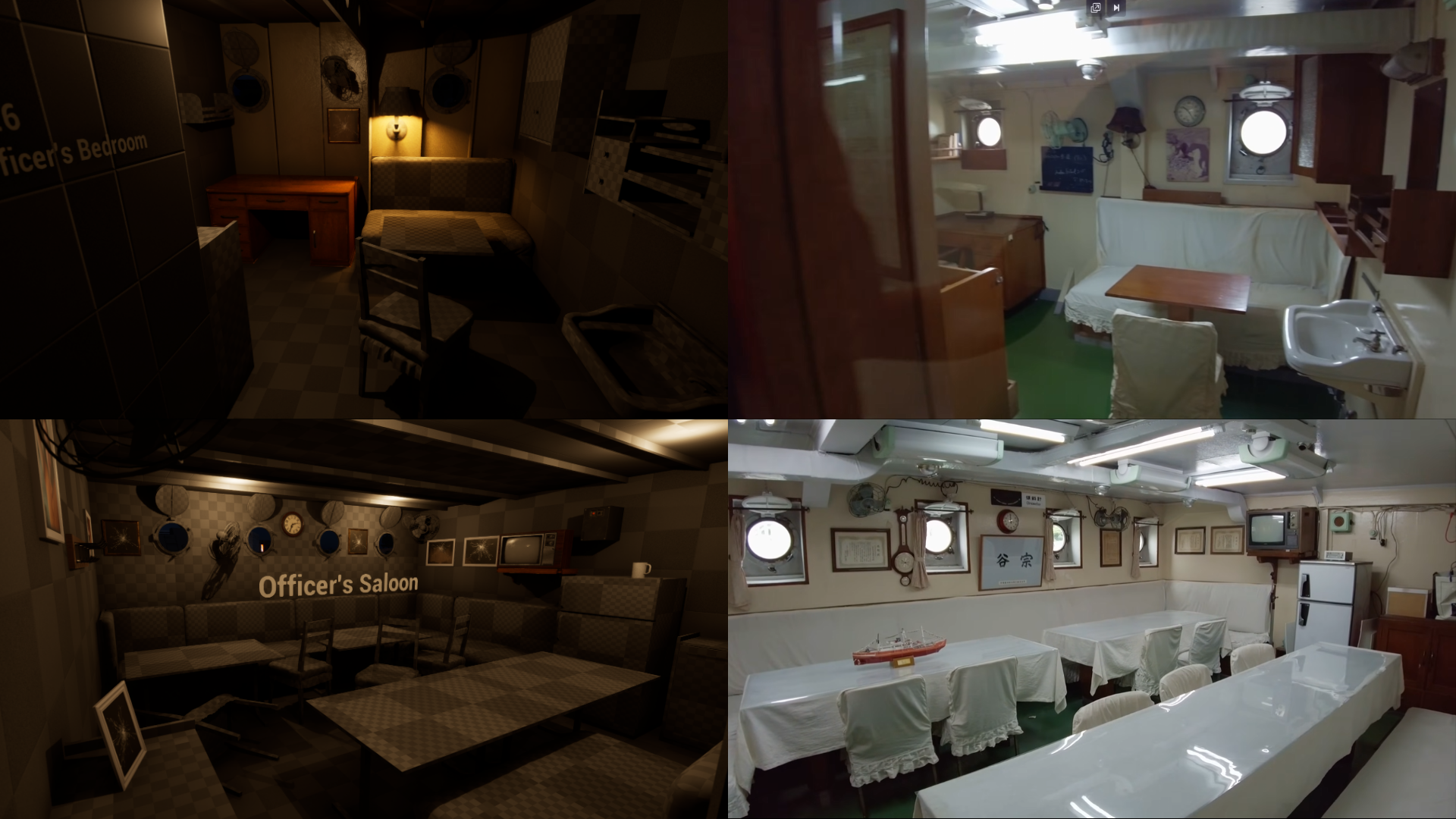
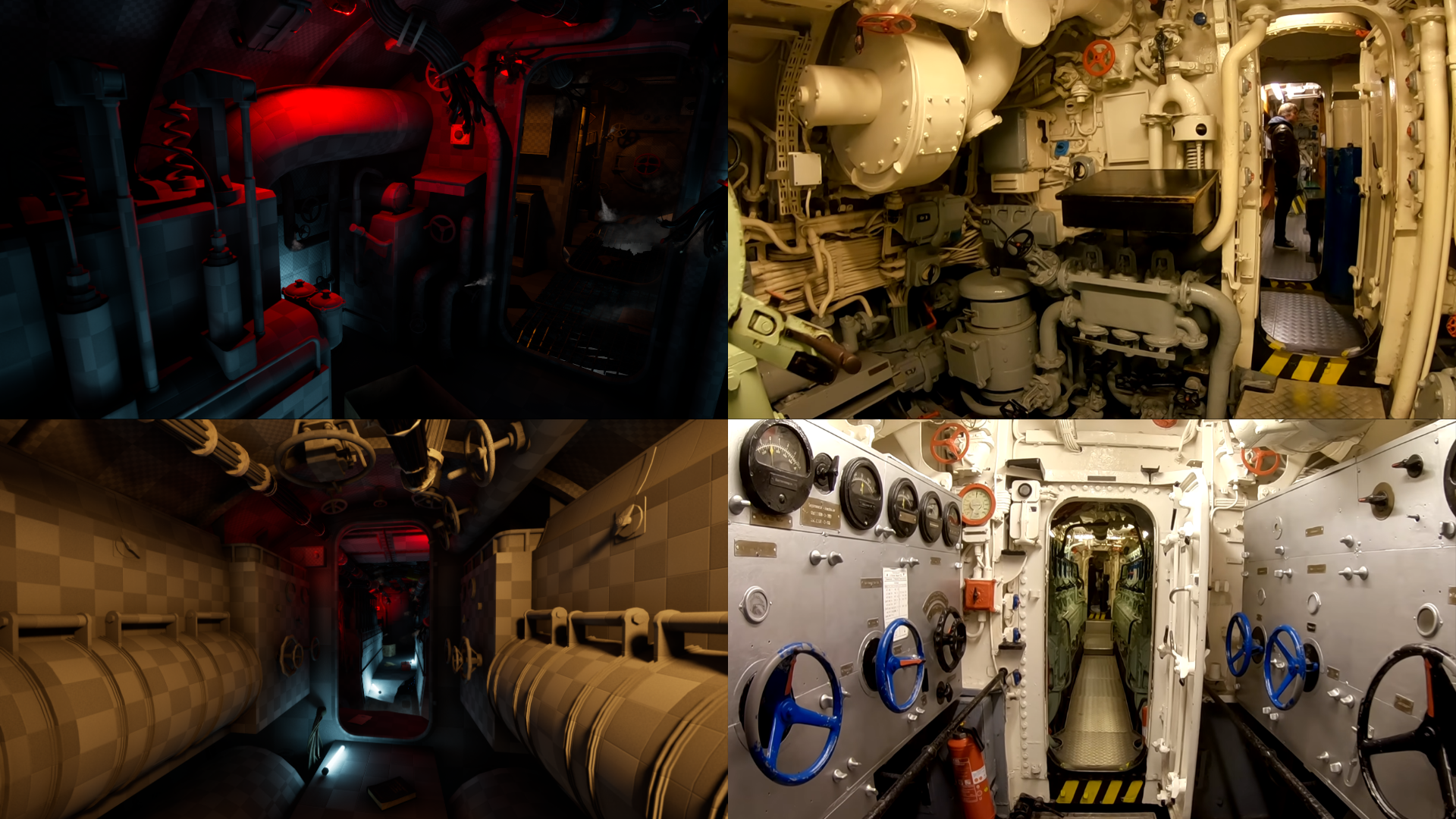
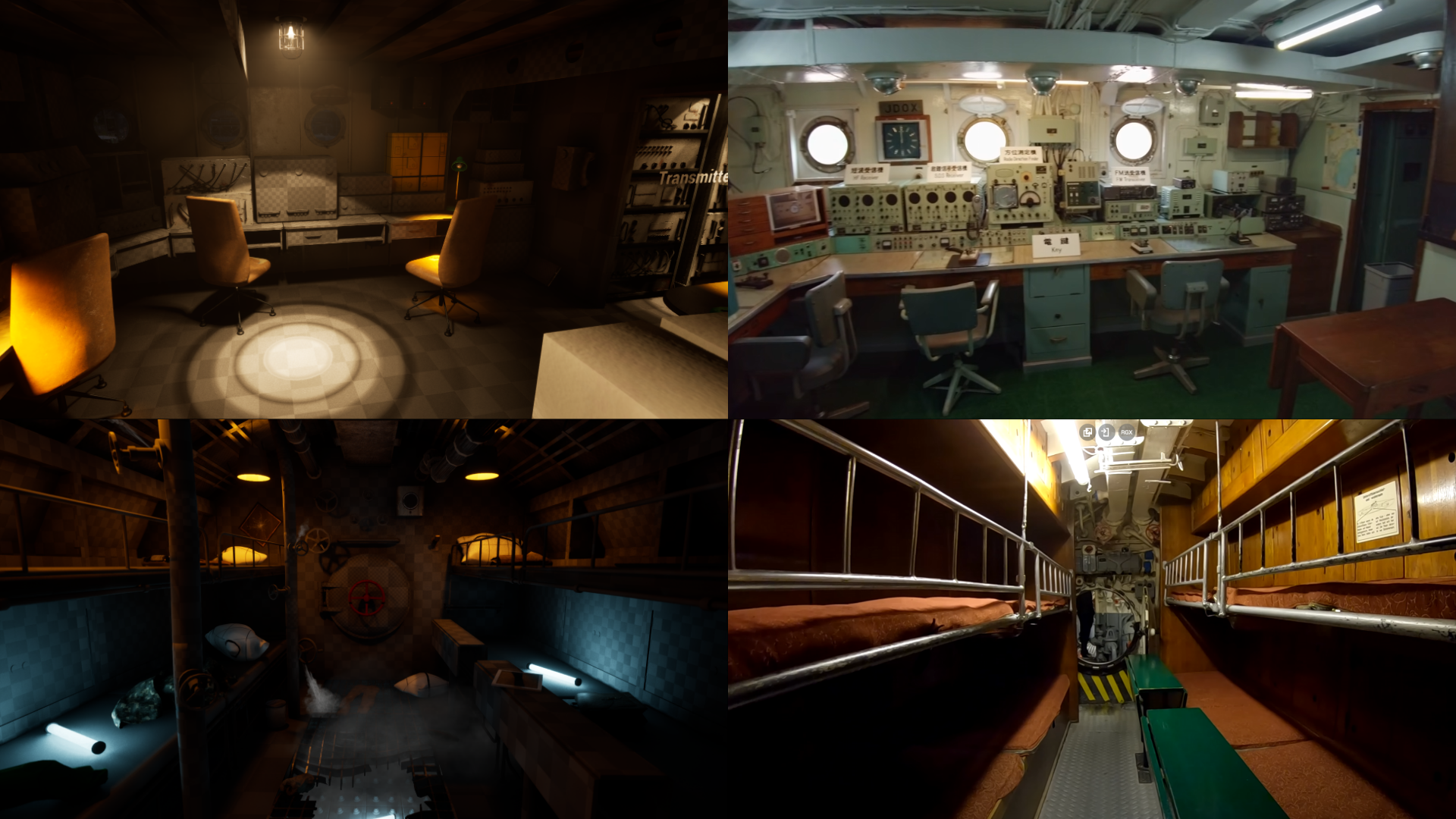
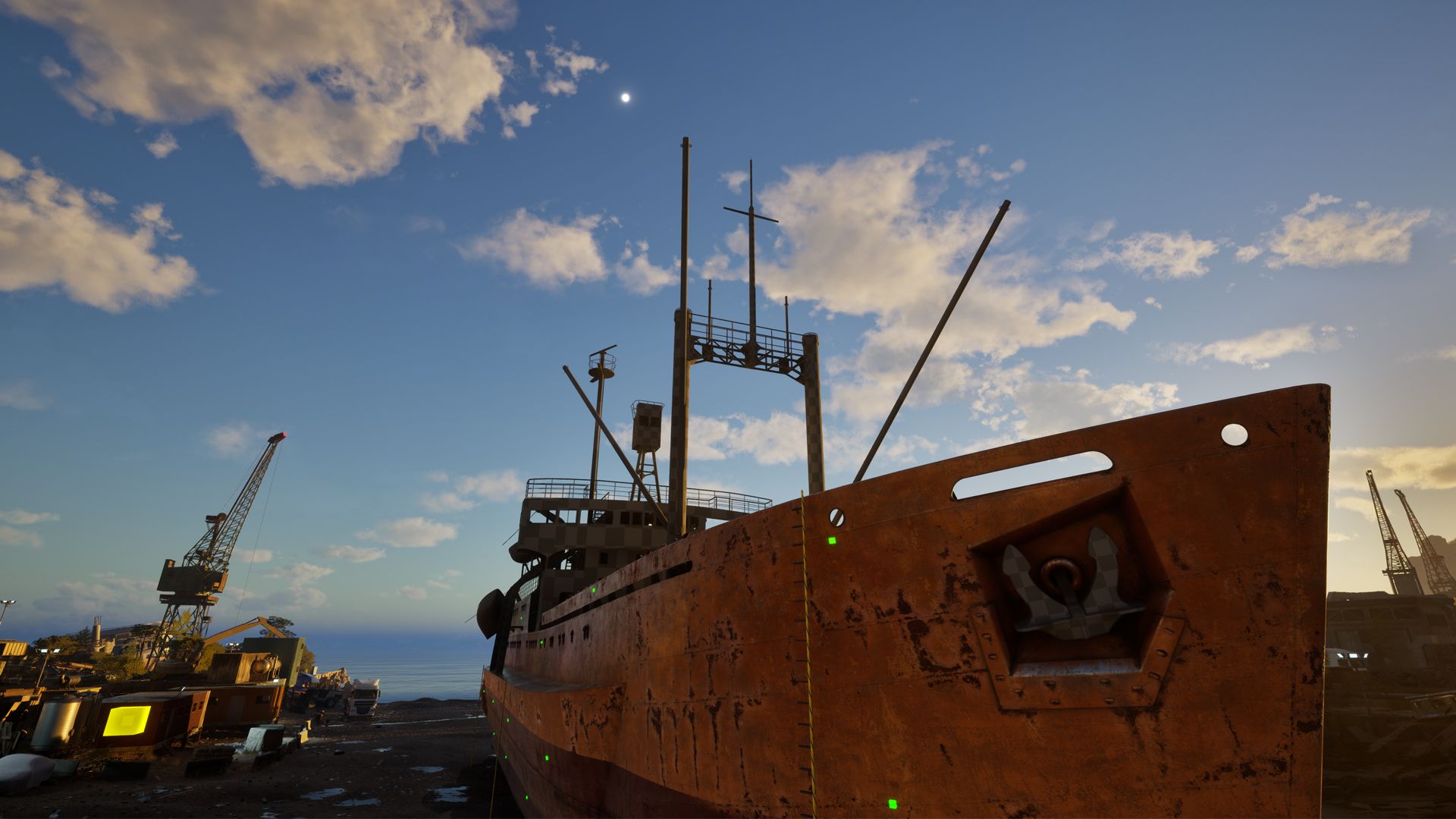
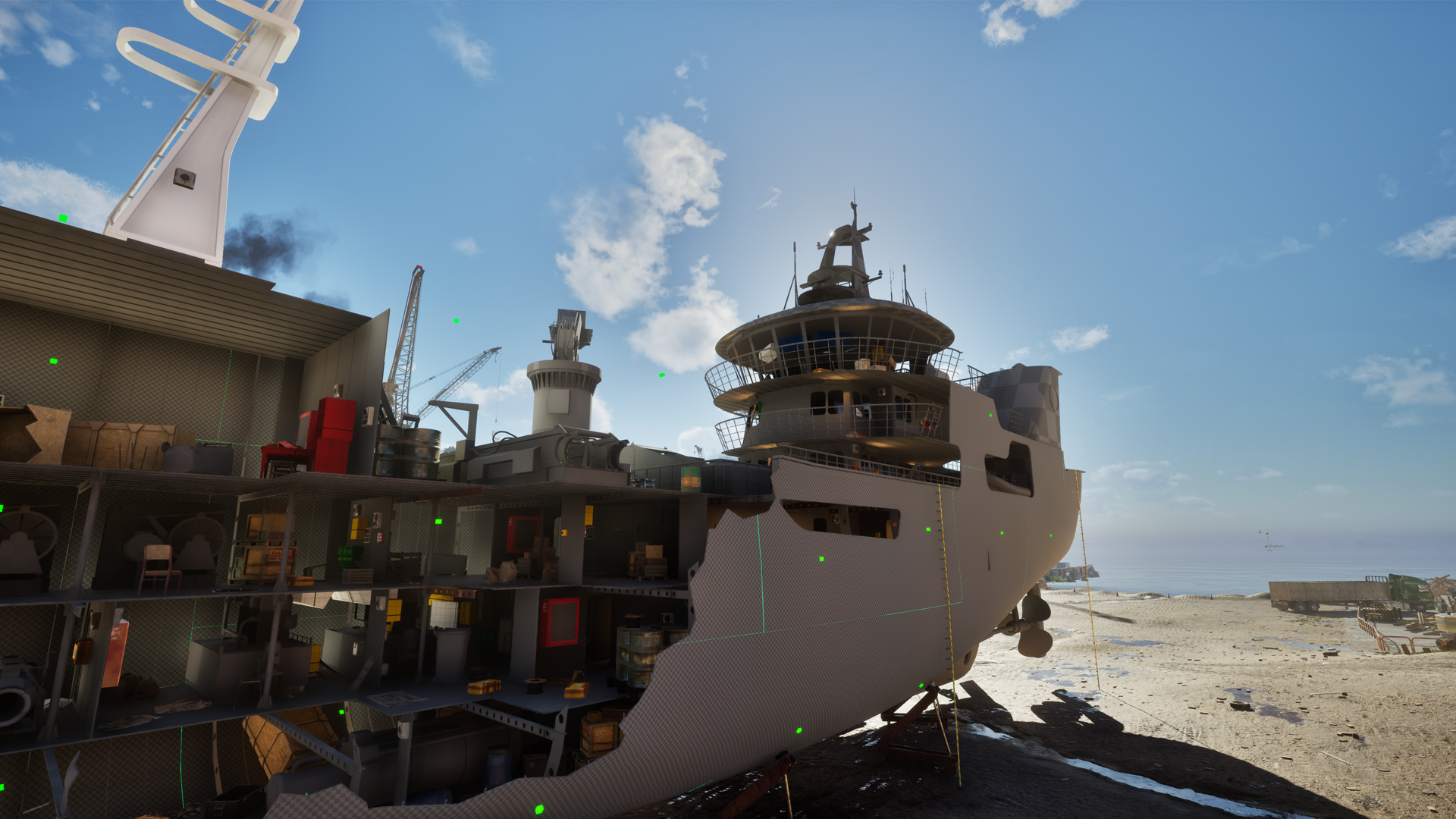
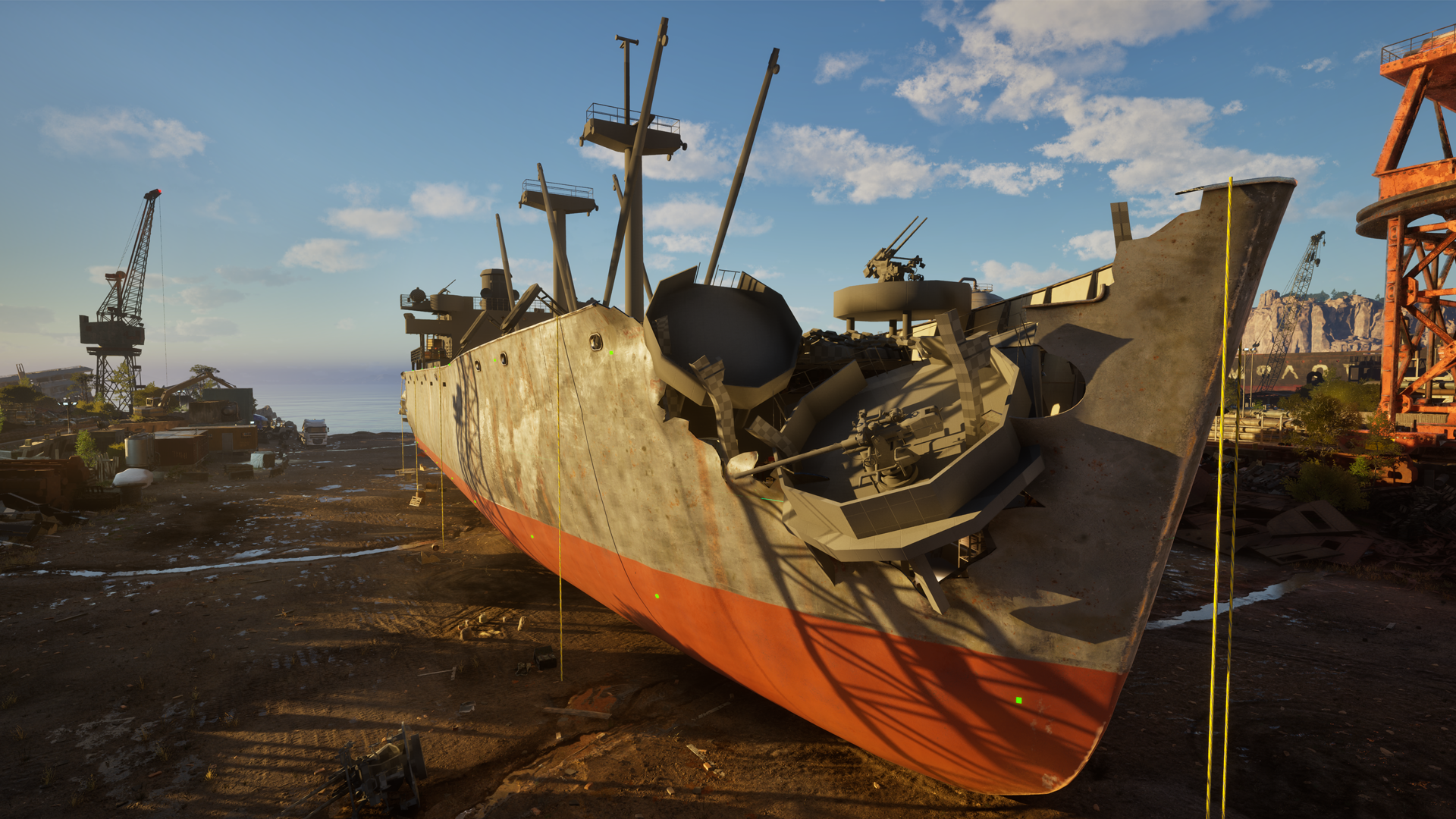
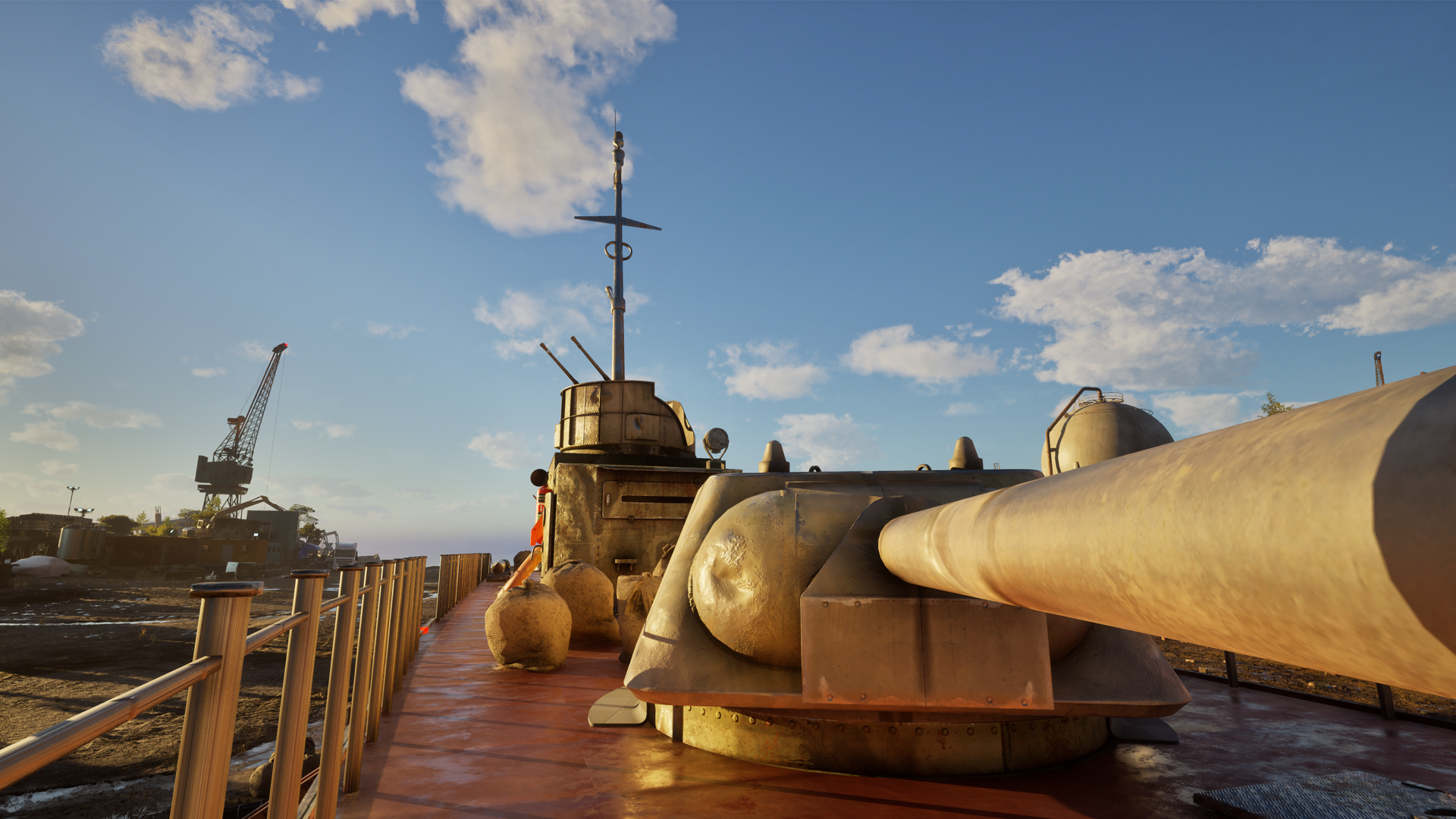
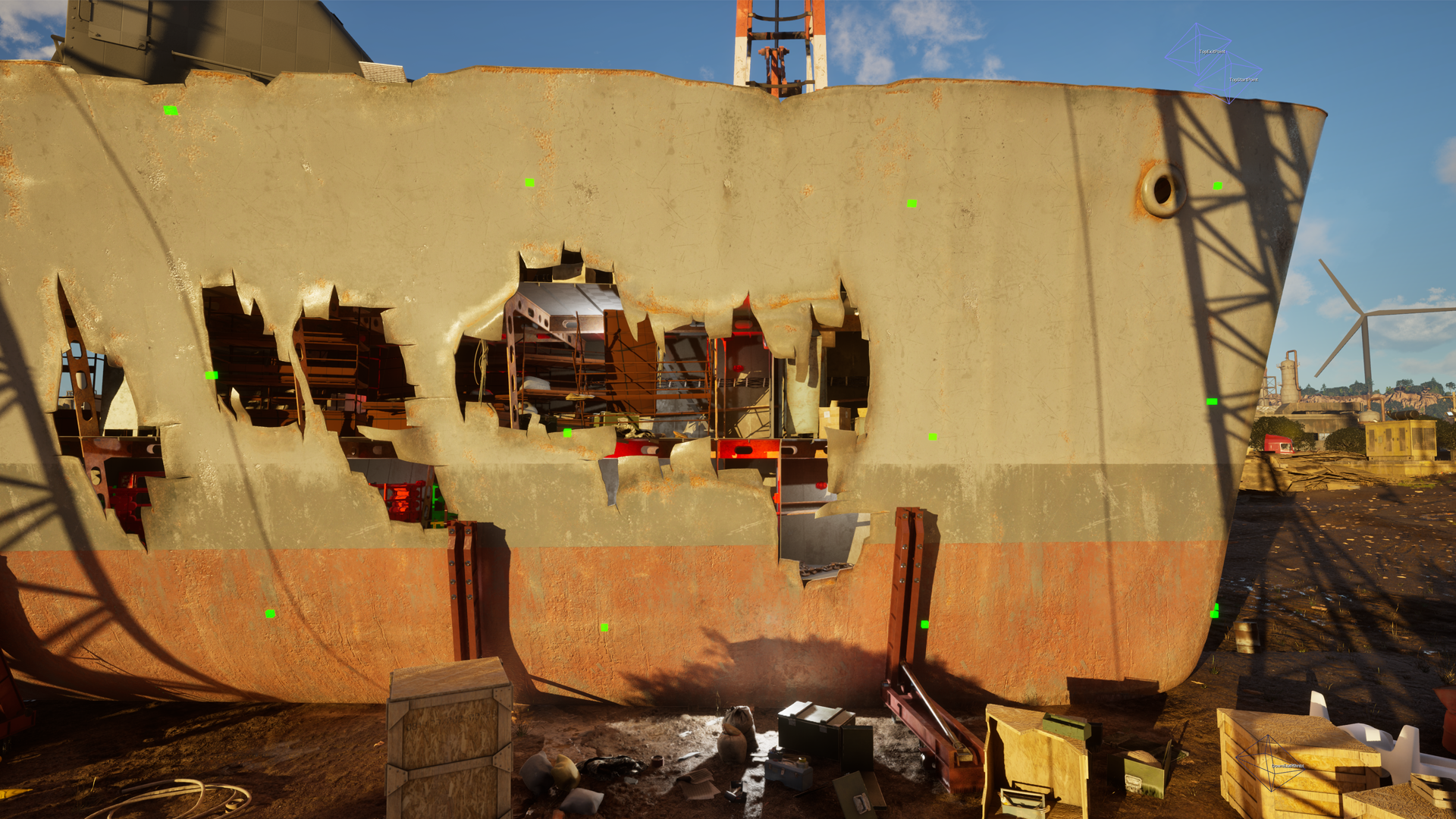
Below are a few comparisons between historical references and their in-game recreations, along with screenshots from different ships available in SGS3.
Your feedback really helps us shape the game, so feel free to share your thoughts 👇
More details soon,
Ship Graveyard Simulator 3 Team