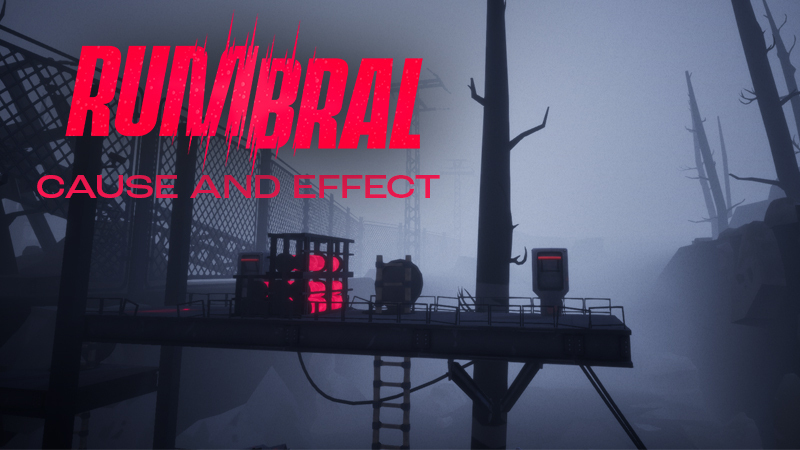
One of the things we wanted to explore in Rumbral was the idea of cause and effect across timelines.
Most of our puzzles don’t look like puzzles at first, they’re hidden in plain sight.
Objects like crates, levers or platforms are part of the environment, seamlessly integrated into the world.
But touching them might trigger something far away… or in another version of the same place. Move a box in one world, and it moves in the other too.
That means you’re not just reacting, you’re planning. Thinking ahead.
Figuring out how one reality affects the other, and how your actions ripple across both.
We didn’t want solutions to jump out at you. We wanted you to stop and ask “If I do this here… what changes over there?”
Some of our favorite moments during development came from seeing people try something bold, fail, learn… and then get it. That’s exactly the kind of discovery we’re aiming for.
— The Rumbral team