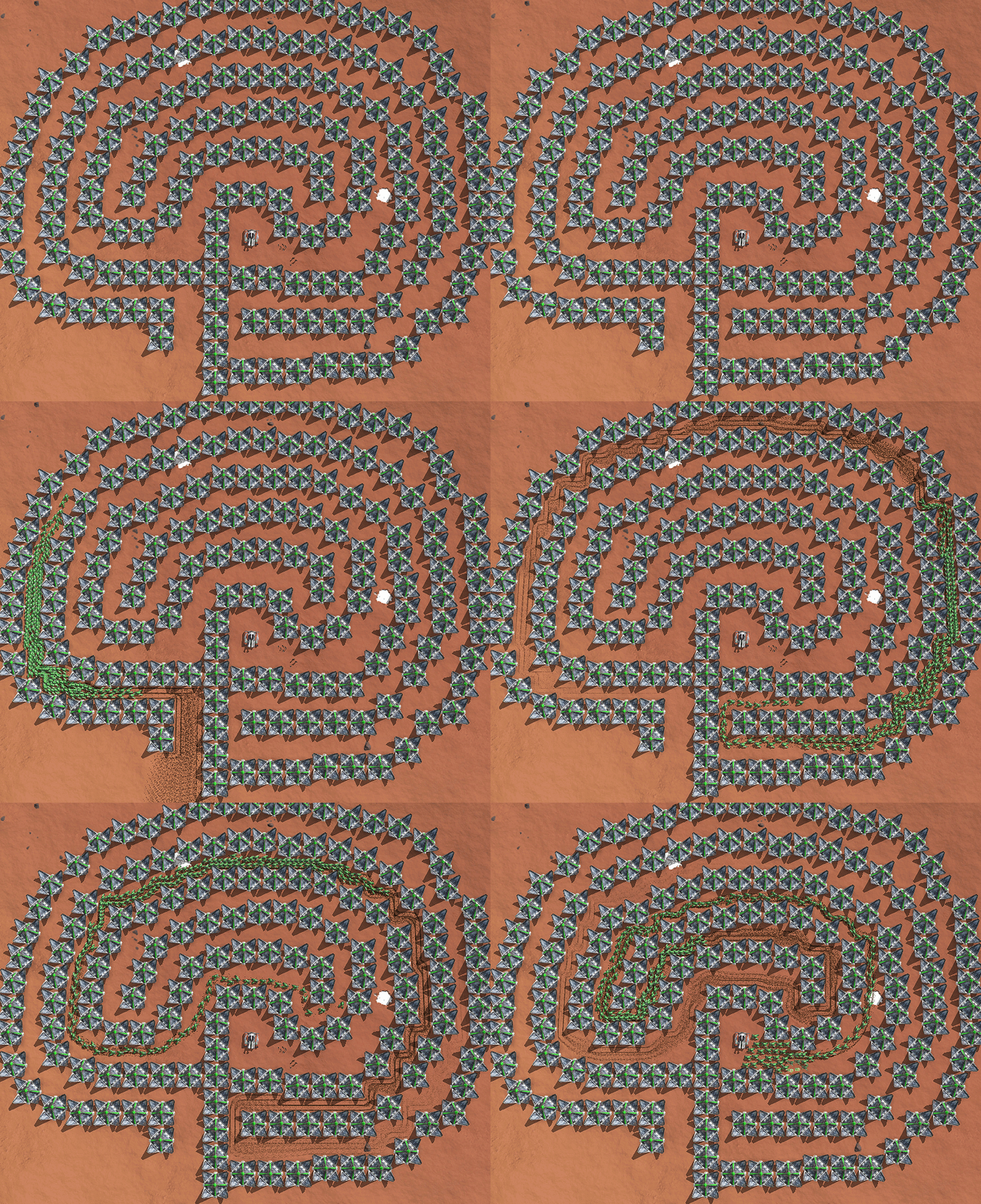
Base building seems to be a mandatory part of the RTS genre and there are a lot of ways to go about it. Some games keep most structures confined to the main base while others encourage players to spread them all over the map. Many games use the base as an embodied tech tree that unlocks more powerful units, or at least use base building as some form of escalation. But the most interesting part of base building, at least to me, is the embodiment. Structures exist physically on the map, which in turn changes how maps play out from battle to battle.
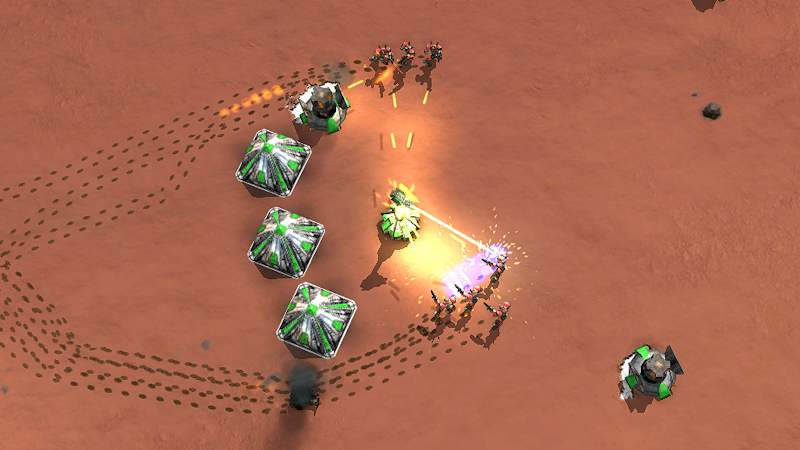
Placing a structure is essentially a form of terrain manipulation. At a bare minimum structures block unit movement. This makes it take longer to move through an area, and can bunch, split or protect units to create tactical advantages. Many games go further and prevent units from squeezing between structures, opening up the ability to create impenetrable walls. Walling plays a central role in some of the most popular competitive RTS, such as Starcraft 2 and Age of Empires 2, but it also features prominently in singleplayer games such as They Are Billions.
Walling has an interesting relationship with the build grid. Around the turn of the millennium we, as a civilisation, developed the technology to place structures anywhere, without snapping to a grid, and it was the bee's knees. Many games went gridless, but the build grid hung around and thrives to this day. Here is why: small integers are your friends.
A coarse build grid places significant limits on structure placement, and this limit engenders clarity. Players can quickly learn to tell the difference between a few gap sizes, and the smallest gap is easily distinguishable from no gap at all. Paths around a newly scouted base can be understood at a glance; just imagine trying to navigate a gridless base where it is unclear whether a gap is 99% or 101% the width of your units. Coarse grids also make it easier to optimally pack structures into limited space, and that is even before considering how some games let you freely rotate structures.
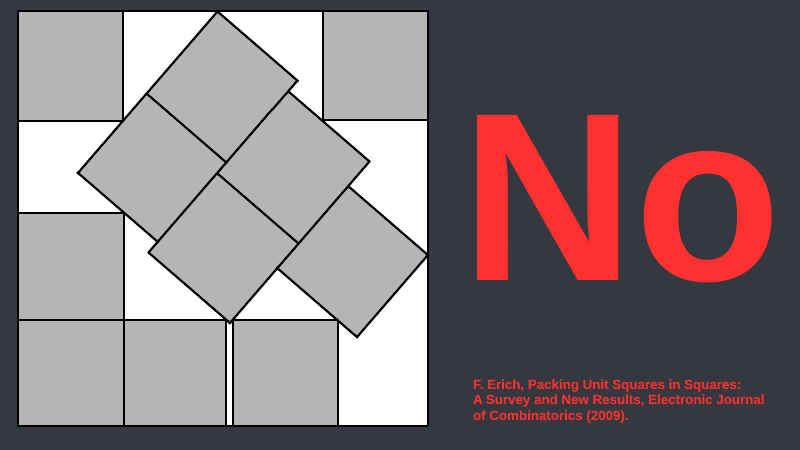
If precisely placing structures is important, then it is too important to be done freehand. But there are plenty of reasons why a game might want to go gridless, and many of the downsides can be mitigated by letting units squeeze between zero-gap structures. Gridless placement lets players eke out small efficiencies, for game that want to be about fiddling with packing, and can lead to a more free flowing feeling. The look of a grid can also clash with more realistic settings or tones, since perfectly spaced structures tend to look artificial. Planetary Annihilation is notable for being forced off-grid by the impossibility of wrapping a square grid around a spherical planet. Populous: The Beginning, another game set on planets, manages to have a grid because its planets are toroidal.
So where does Zero-K stand on all this? As you might have guessed, we love the terrain manipulation aspect of walling, so we use a grid to allow for walling without too much fighting the UI. More generally, Zero-K bases are spread all over the map, as the resources are spread out, and include plenty of wall-like structures and turrets. A turret can be thought of as a distinct type of terrain manipulation in that it only weakly inhibits movement, via the application of danger, and only for the enemy.
Building a defensible base is a bit like an asynchronous puzzle, where the defender sets a challenge and the attacker tries to solve it. The interplay of past and present decisions is a neat way to add player interaction without furious micromanagement, although the defender will often bring mobile units to bear as well. The physical projectiles of Zero-K add another level of depth to the puzzle, since friendly fire is not friendly. Your own structures create blind spots for turrets and defending armies, which tends to favour the attacker over the defender.
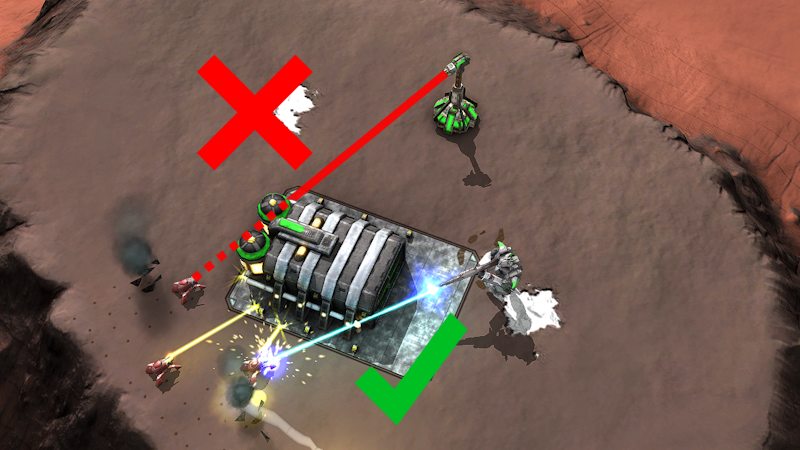
A great way to get players into terrain manipulation is to give them a bit of it for free. Consider the houses of Age of Empires or the Supply Depots of Starcraft. These are what I call forced assets, because players are forced to build them, but they also have secondary uses. Supply structures make great forced assets, and Blizzard in particular has used them to house quite a few interesting abilities. But over here in the Total Annihilation subgenre we love to shower players with options, so Zero-K only has a weakly forced asset in the Solar Collector. A Solar is tough enough to serve as a viable wall, but it is not entirely free due to the existence of other, more efficient, energy generators. Nevertheless, the efficiency gap is effectively a large discount on walling.
The counterpart of the Solar Collector is the Wind Generator: one of the flimsiest structures in the game. It exemplifies the vulnerability of physically putting your assets on the map, and players will always have some vulnerable structures. This vulnerability is the driving force behind RTS, since if everyone is strong everywhere, there is no reason to prefer attacking any particular location over any other. Vulnerable structures act as location-based goals for your opponent, which is in some sense a modification of the terrain. Other map-based genres, such as DotA-likes and team shooters, have elaborate objectives baked into the map, whereas this is rarer in RTS since player bases are so good at generating dynamically shifting objectives.
Thinking of structure placement as terrain modification lets us take a more general view of how players interact with the map. Whenever a player invests resources to deliberately change the map, in any way, they are making a claim about the importance of the affected location. Fortifications have a long-term impact on how armies move around and interact with the map, and further modify the importance of other areas. Games are won and lost on the basis of disagreements about what matters, and expressing such disagreement via structure placement is a big part of the long term decision making that is at the heart of strategy.
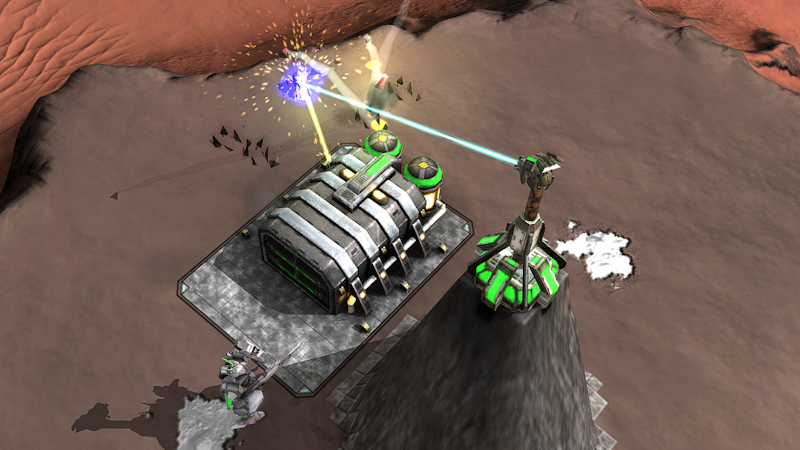
Zero-K has a flashier form of terrain manipulation: the mountain-moving and river-gouging set of mechanics that we call terraform. The seed of this post was on terraforming, but it would have been wrong to give it all the credit for the terrain-manipulation-y feeling of expanding across the map and bending it to your will. It would also be wrong to claim that Zero-K (and a handful of other games with terraforming) invented this feeling, when so much can be done without literally picking up the ground and putting it somewhere else. Terraforming is interesting, particularly when contrasted with more traditional map manipulation, so covering the basics here leaves us plenty of room to look at the challenges involved in making a terraform system that actually works. So stay tuned for Cold Take #31, in three weeks time.