Hello, hello!
We are back with another Steel Division 2: Battle for Dukla Pass division preview. Today we’ll look at the Axis Hungarian 13. Gyaloghadosztály or the 13th Infantry Division.
Go, go, go!
The Axis Hungarian 13. Gyaloghadosztály’s History
The 13. Gyaloghadosztály saw first light in the Hungarian Army in 1939, as the 13th Infantry Brigade, a cadre unit with only peacetime garrison duties. It was redesignated the 13th Light Division and officially activated as a combat formation in March 1942, and immediately shipped off to the Eastern Front to fight as part of the Hungarian Second Army. Under this command, it took part in the costly Battle of Voronezh in June-July 1942, in which the Hungarians suffered heavy casualties.
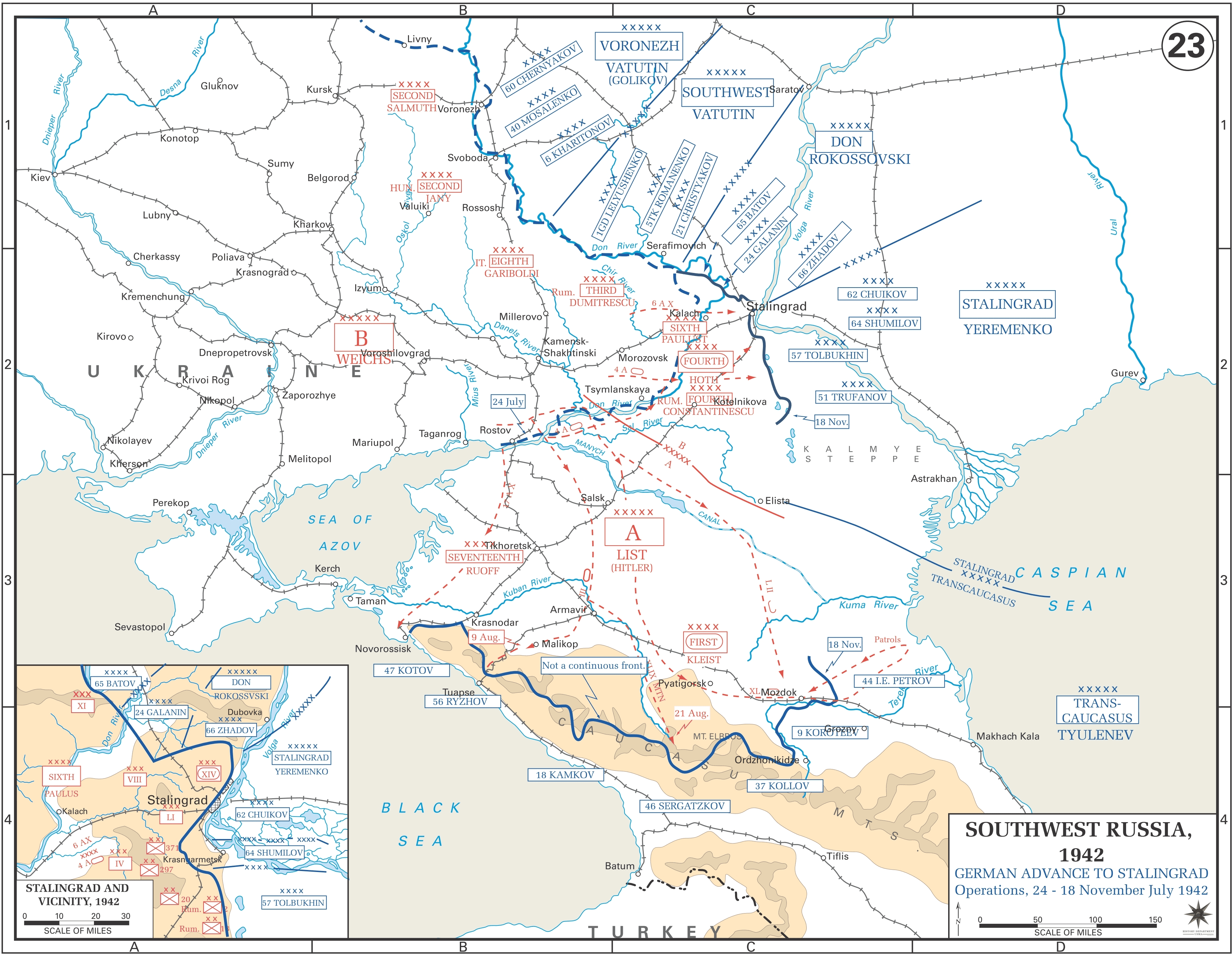
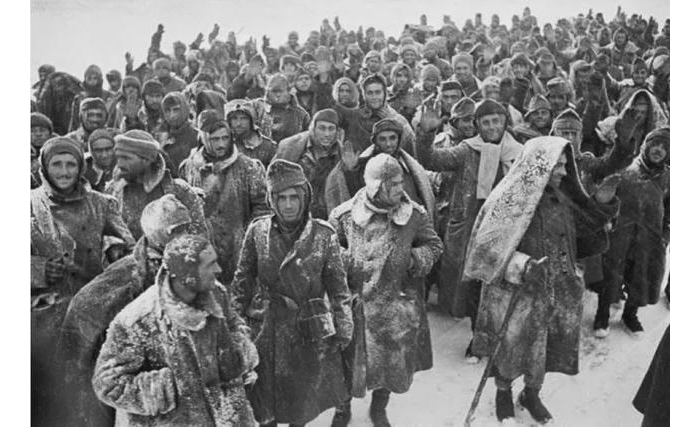
Weakened and with low morale, the Hungarian Second Army played a crucial part in the subsequent German disaster at Stalingrad, occupying the weak left flank of the German Sixth Army assaulting the city in the fall of 1942. One of the blackest days of Hungarian military history came in the winter, when the Soviets launched the massive surprise attacks smashing through the weakened Axis flanks. By January 1943, the Second Army had been decimated, losing about 128.000 men.
Dukla Pass
Considered annihilated, the 13th Light Division was struck from the records in February 1943, to be recreated in Hungary by a small core of survivors as the 13. Gyaloghadosztály or 13th Infantry Division. It remained in its homeland on garrison duty until July 1944, seeing a return to active service that month as part of the Hungarian First Army.
This army was located on the heights northeast of Uzhorod, near the (current) triple frontier between Poland, Slovakia, and Ukraine. Positioned east of the Dukla Pass, it wasn’t far from the axis of advance of the Soviet 242-ya Gornostrelkovaya. The 13. Gyaloghadosztály’s neighbor on the front, the German 101. Jäger-Division, was drawn west to assist in the defense of the pass. This meant that the Hungarians had to stretch the frontline to cover the other formation’s redeployment.
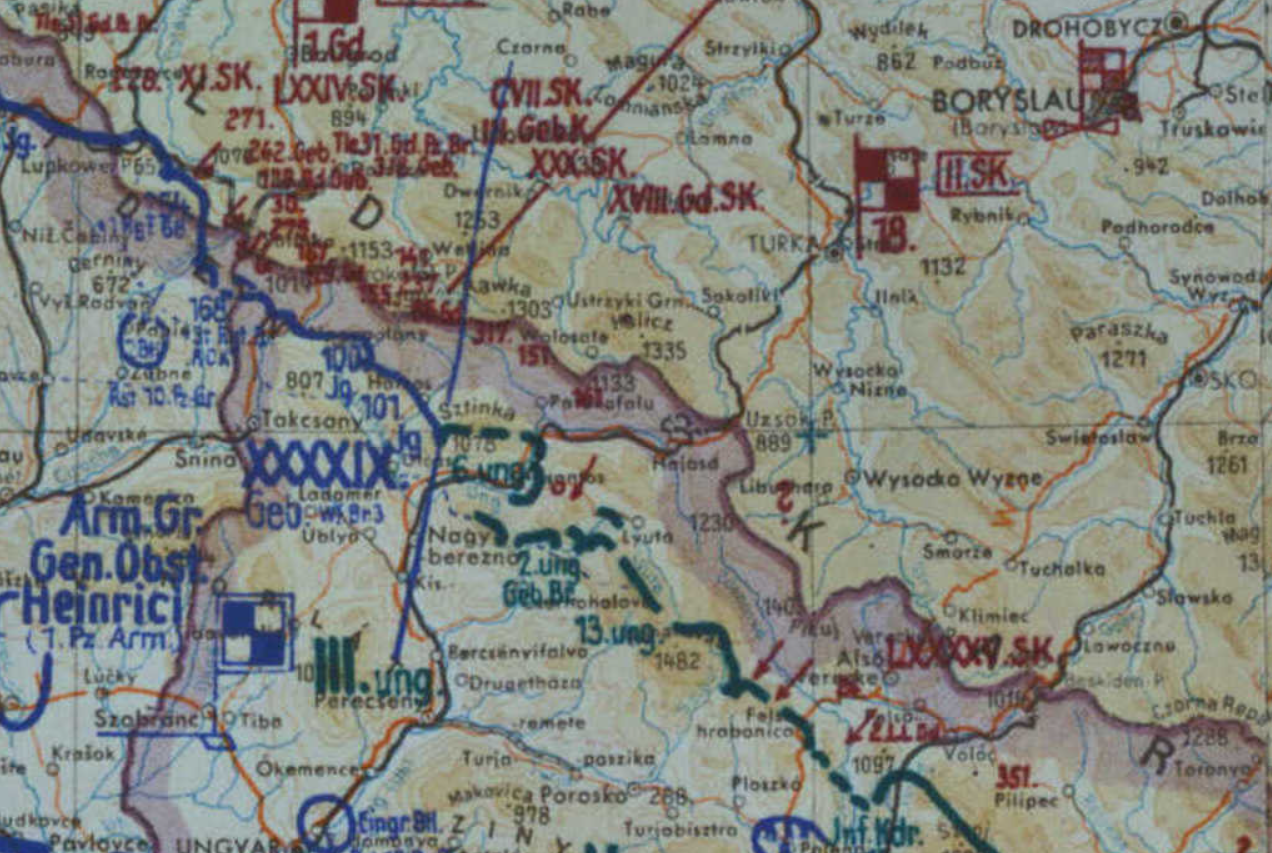
Unlike the disaster at Stalingrad, the Hungarian formation was reinforced to make sure it held the line. Two Hungarian mountain infantry brigades took over the German mountain division’s sector, who had left behind a few of their armor as a parting gift. The Hungarian 1st Assault Gun battalion was later also brought forward to assist.
While the Germans managed to hold on to the Dukla Pass, the Soviets attacked south, forcing Axis troops to retreat in the end. Facing an invasion from multiple axes, the Hungarian leader, Miklos Horthy, tried to open negotiations with the Soviets on October 15th, but was arrested by the Germans. This sowed confusion in the Hungarian army ranks. While the 13th Infantry Division kept fighting and retreating west, alongside the 1st Mountain Brigade, a large part of the 2nd Mountain Infantry Brigade gave up and went over to the Soviets.
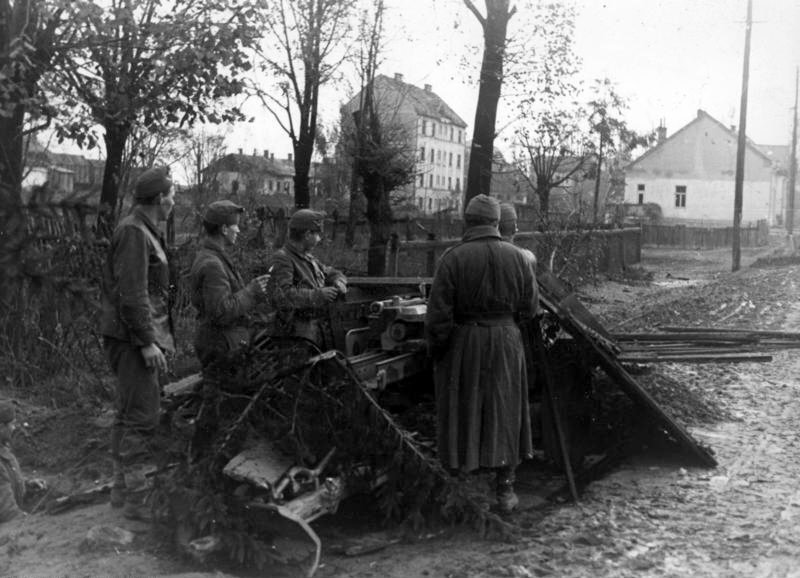
The 13. Gyaloghadosztály kept on fighting for another two months, beating back repeated Soviet attacks before it was disbanded, its remains absorbed by the 24th Infantry Division.
The 13. Gyaloghadosztály in Steel Division 2
How will the 13. Gyaloghadosztály look like in Steel Division 2: Battle of Dukla Pass? New units are both italic and bolded, but might be subject to change.

RECON
- Average with a few slots, but nothing too expensive. Only standard Hungarian recon units will be available.
- These include FELDERÍTŐ JÁRŐR and LOVAS FELDERÍTŐK infantry scouts.
- Backed by BMW 750 MG and SOLOTHURN side cars. Heavier
39M CASBA armored cars can also be deployed.
INF
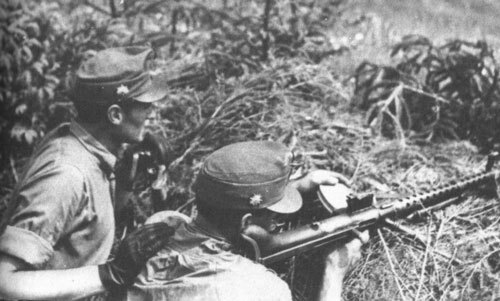
- A good infantry, as expected, with the core units of the 13. Gyaloghadosztály similar to a regular Hungarian infantry division.
- LÖVÉSZTISZT and LÖVÉSZ, as well as the new LÖVÉSZ (36M) squads which trade an SMG for a Solothurn anti-tank rifle.
- TÁRTALEK LÖVÉSZ reservists.
- ÁRKÁSZTISZT, ROHAMÁRKÁSZOK and ÁRKÁSZOK squads, plus the ÁRKÁSZOK (31M) trading a rifle for a 31M light machine gun, the divisional battalion being well equipped with these MGs.
- KERÉKPÁROSOK bicycle infantry.
TANK
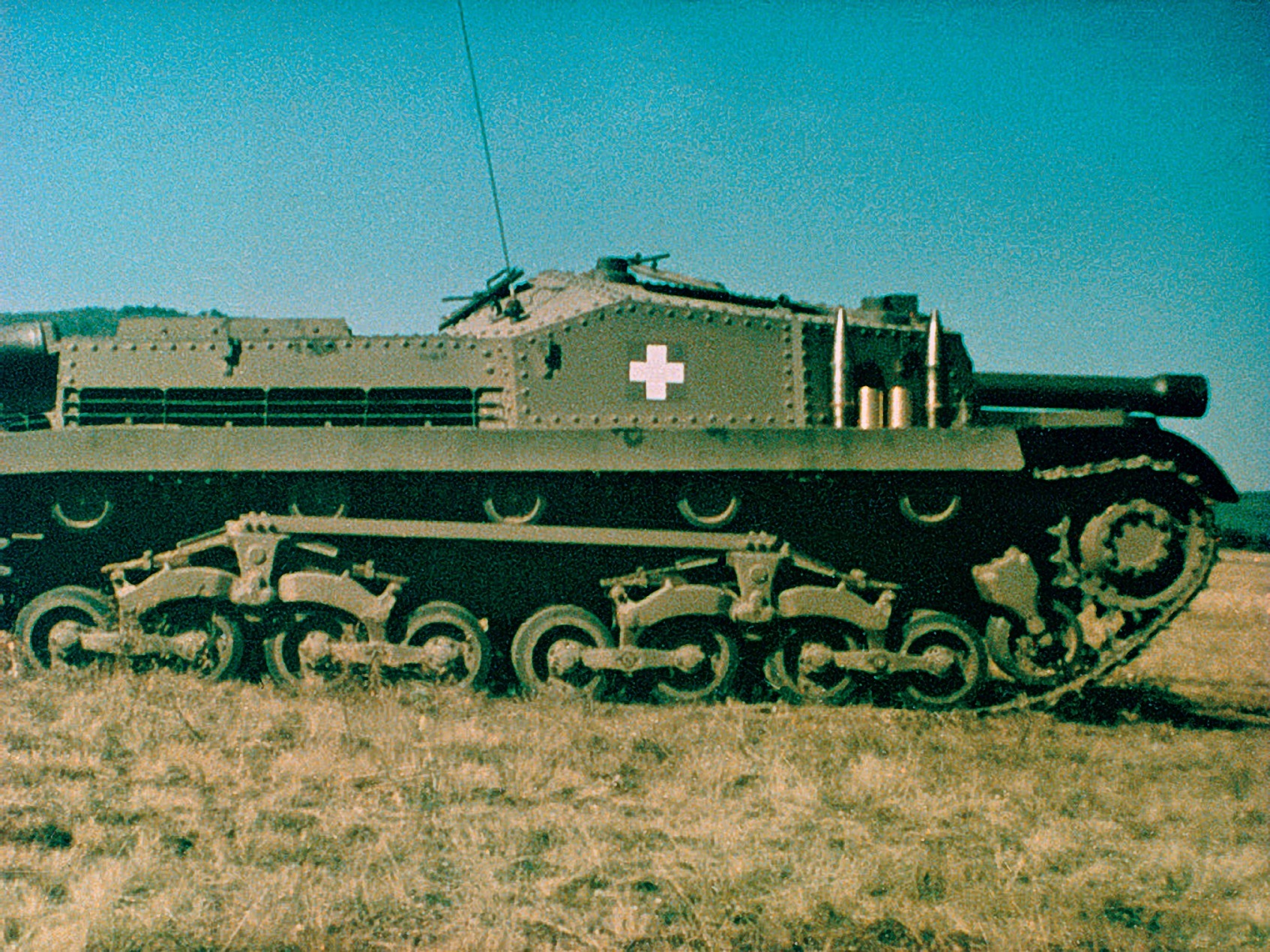
- Average with a few slots. These are relatively cheap. Commanders get to play with one card each of the following armored vehicles.
- The German STUG IIIG FÜH. and STUG III G from the 101. Jäger-Division's StuG-Abt. 1101.
- Plus Hungarian ZRINYI II, but only available from Phase B onward.
SUPP
- A good category with plentiful supporting arms. These range from standard MGs, 50mm mortar, supply units and Commanders, as well as CSENDOR military police.
AT
- A good category with some classical Hungarian options.
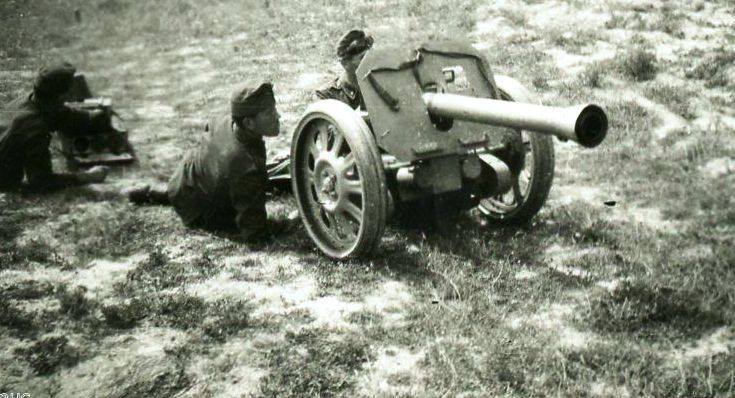
- Such as the Solothurn anti-tank rifle, 40M 40mm anti-tank gun, in standard and new mountain flavors, plus the 40M 75mm, likewise in regular and mountain versions.
- The division could also count on some more modern German equipment. These include the PÜPPCHEN (new in Hungarian service) and the powerful PAK 43/41 88mm (likewise new for the Hungarians).
AA
- The 13. Gyaloghadosztály’s anti-air defenses are rather average.
- You’ll get to play with the Hungarian 36M 40mm (which is a Bofors), both in regular and mountain variants.
- And the new HEGYI. 29/38M 80mm (which exists as a regular unit, but hasn’t appeared as a mountain variant before).
ART
- Artillery allocation for this division follows standard Hungarian infantry division organisation, with several noticeable differences.
- The SKODA 14M 100mm howitzer, a Hungarian version of the le.FH 14/19(t) which is new in Hungarian service.
- The new SKODA 14/39M 150mm howitzer, a modernized Hungarian variant of the s.FH 14.
- The NbW 42 300mm, from the German s.Werfer-Rgt. 15.
AIR
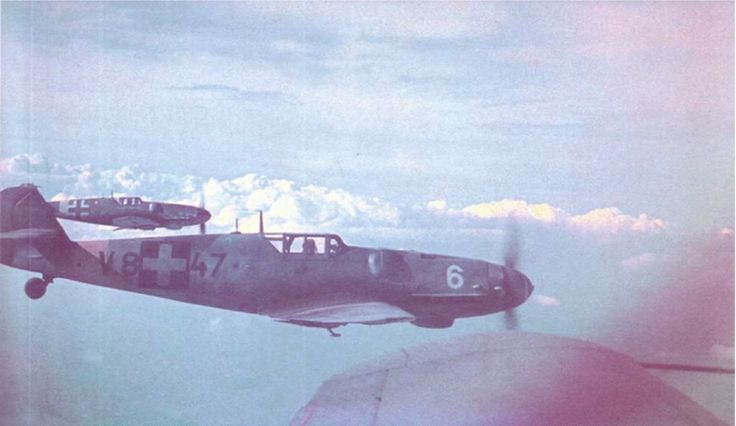
- A pretty good category, but still under Eugen consideration. It will likely include a mix of Hungarian Fw 190 F-8 in fighter and fighter-bomber roles, Bf 109 G-6, in both fighter and recon, Me 210, the Ju-88 A-4, as well as a handful of German Hs. 129 B-2/R2.
The Axis Hungarian 13. Gyaloghadosztály is a well-rounded, infantry-centric division, without any apparent flaws, but neither with obvious strengths. A strong core of soldiers, including mountain troops and a potent anti-tank screen, makes it better suited for defensive operations in rugged terrain.
Battle of Dukla Pass Expansion
What can you expect from the Steel Division 2: Battle of Dukla Pass?
- The expansion features 1 massive Army General campaign centered on the Battle of Dukla Pass.
- Plus 6 new Divisions, playable in both single-player and multiplayer. These include the Allied 1. Československý Armádní Sbor, the Soviet 242-ya Gornostrelkovaya, and Slovak National Uprising, while the Axis deploy the 208. Infanterie-Division, the Hungarian 13. Gyaloghadosztály, and the 18. SS-Fr.-Panzergrenadier "Horst Wessel".
See you on the battlefield
Next week, we’ll return with another Steel Division 2: Battle of Dukla Pass preview!
Make sure to join the Steel Division 2 community on our Steam forums. The latest Steel Division 2 news can also be encountered on our Instagram.
Looking for an online game? Visit the Discord server or Reddit page and get involved with the lively Steel Division 2 community!
See you on the battlefield.