Welcome to our first Developer Diary for Strategic Command WWII: War in the Pacific, and here we focus on one of the smaller campaigns that comes with the game!
1945 August Storm
40 years have passed since Japan’s imperial sunrise brought humiliation to Russia and revolution to the Tsar. Now, in the dying days of World War II, the time for revenge is at hand!
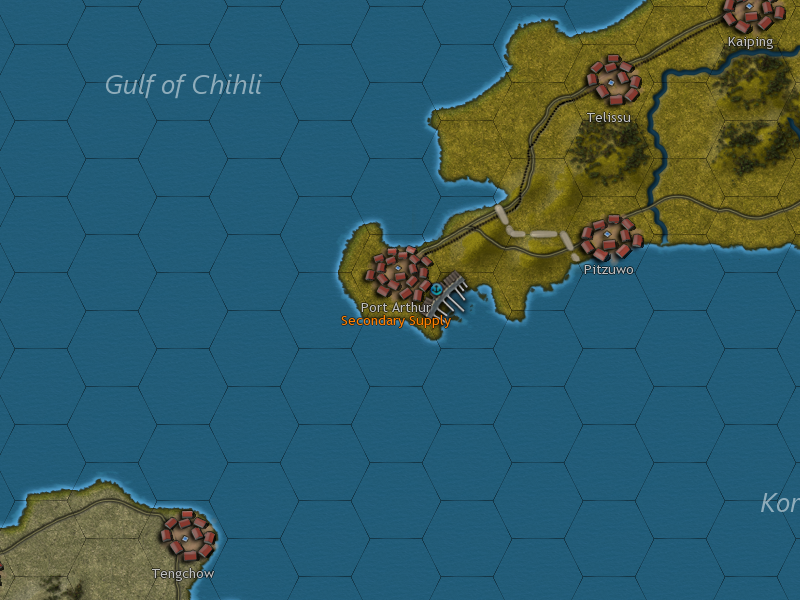
This map may look familiar, but much has changed over the last four decades…
The Red Army
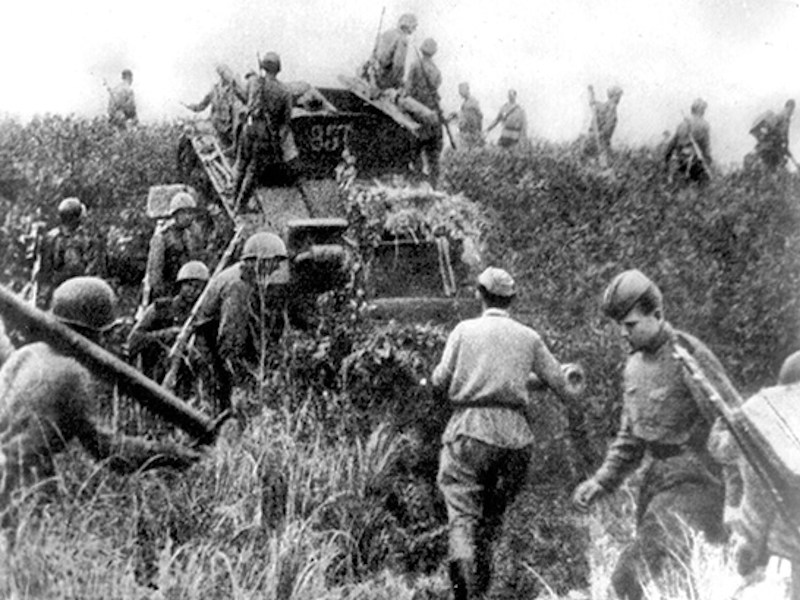
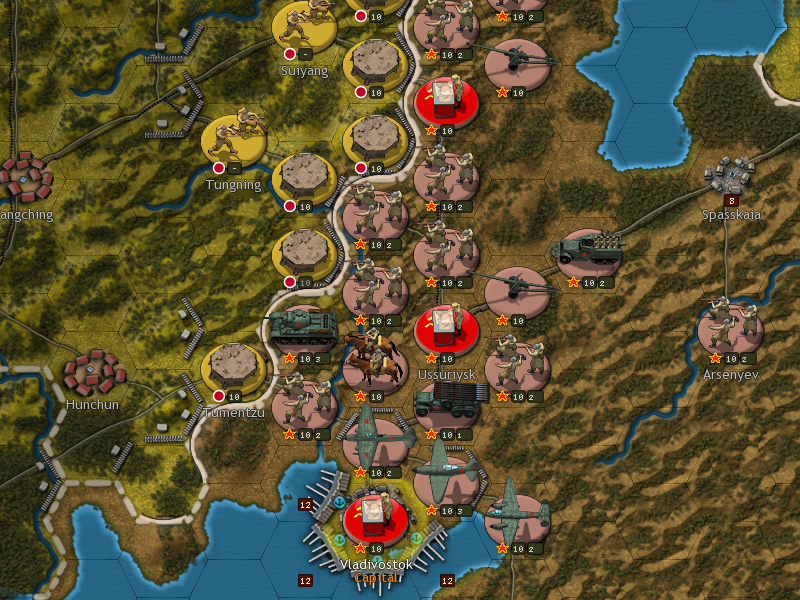
Honouring his promise made at the Yalta Conference, in the summer of 1945, Stalin has transferred hundreds of thousands of the Red Army’s finest soldiers to the Far East. Organised into three fronts, they have been secretly deployed along the frontiers of Japanese-held Manchuria.

The forces sent to Manchuria represent the culmination of the Red Army’s wartime experience, perhaps the most powerful military force assembled to this point in history: most are veterans of Stalingrad, Kursk and the battles that drove the Wehrmacht all the way to Berlin, and they will be supported by the best equipment the USSR has available: T-34 tanks, Il-2 bombers and the famous Katyusha rocket-launchers. The Eastern Front was a harsh place to learn the arts of war, but its lessons have been well learned.
The Kwantung Army
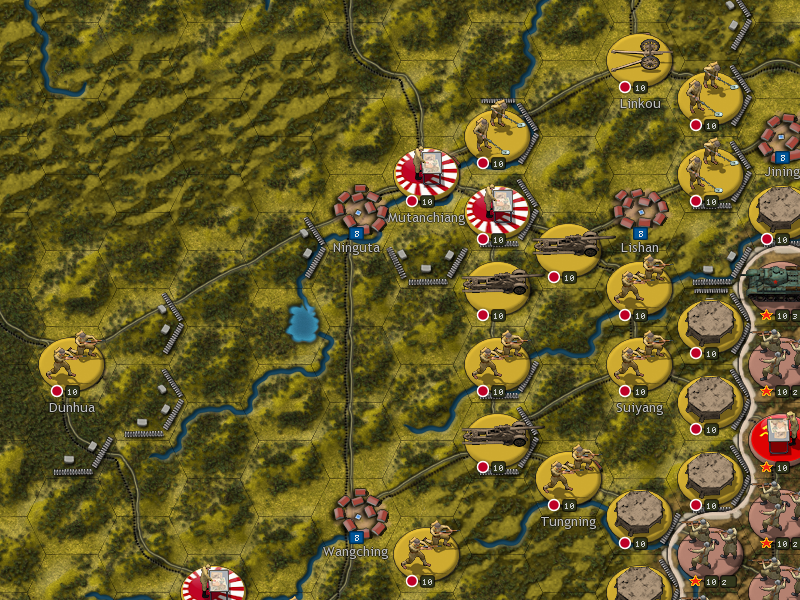
By contrast, the Japanese garrison in Manchuria, the Kwantung Army, is woefully unprepared. Once Japan’s mightiest army, years of neglect have left it a shadow of its former self. Competing priorities saw the Kwantung Army’s best units diverted to China and the Pacific, while Japan’s leaders placed their faith in a non-aggression pact with Stalin to keep Manchuria safe from attack.

Yet even the cancellation of that pact in April 1945 has done little to rouse the Japanese defence: aside from a number of strongpoints across Manchuria and the formidable entrenchments at Mutanchiang, few defensive positions have been prepared and most Japanese troops have been positioned to maintain internal order. The rare Japanese commanders who believe an attack is coming at all have placed their faith in the difficult terrain of Manchuria to slow the Soviets down.
The Battlefield
Japanese confidence in the difficulty of traversing Manchuria is not entirely misplaced. The region covers an area the size of Western Europe, making the proposed invasion dwarf even the likes of Operation Bagration in scope.
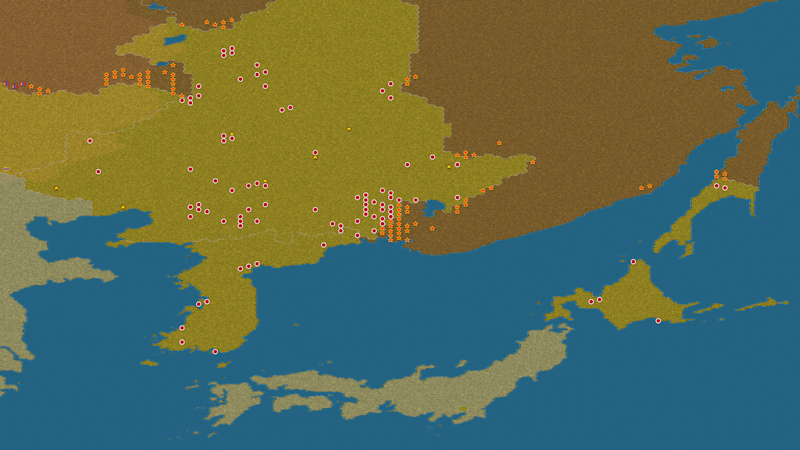
In the west, the first obstacle the Soviet Trans-Baikal Front will face is the Gobi Desert: hundreds of kilometres of barren terrain. With few tracks and no proper roads, merely transporting supplies to the front will require a herculean effort by the Red Army’s quartermasters. Beyond the Gobi lays the Grand Khingan mountain range, whose peaks the Japanese consider to be impassable by a large army.
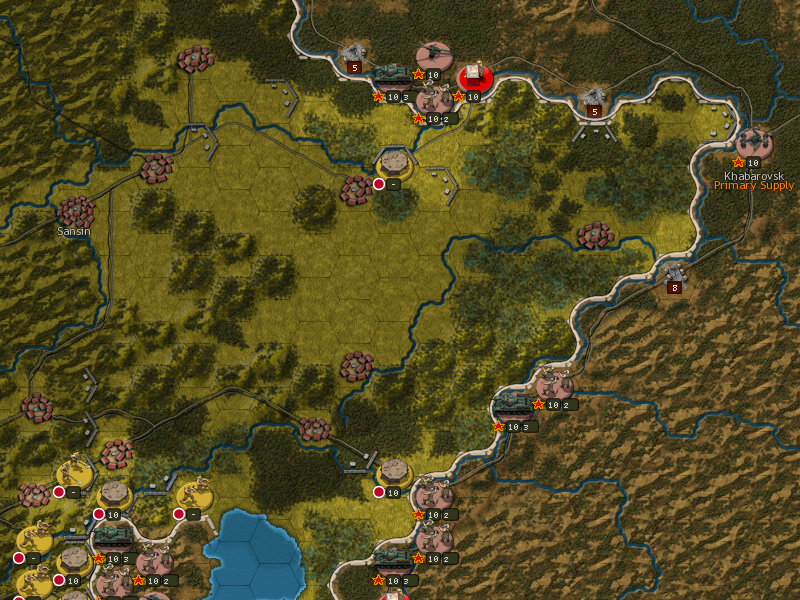
Further east, the valleys of the Ussuri River are covered with swamps, and much of eastern Manchuria is also heavily forested. While the terrain poses less of an obstacle here than in the west, the Japanese have also concentrated most of their best troops in this region, and thus the largest battles of the campaign are likely to be fought here.
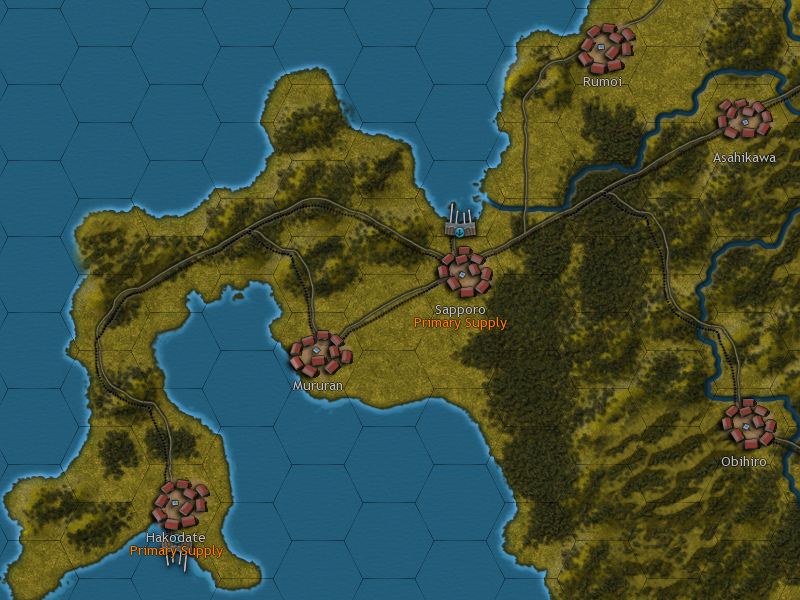
But it may be across the Sea of Japan where the most difficult objective of all is located: the island of Hokkaido. As part of the Lend-Lease program, the United States has provided the USSR with limited numbers of transport ships, arguably too few to launch a major amphibious invasion at all. Such an operation would also be operating beyond the range of most Soviet aircraft, and while the Japanese air force has been greatly reduced in combat against the United States, all reserves will be made available if the Home Islands themselves are attacked. This makes an attack against Hokkaido an enormous gamble, but few could deny the prestige such a success would grant the Soviet Union.
The Campaign
Unlike most Strategic Command campaigns, in 1945 August Storm both sides will be limited to a fixed pool of MPPs provided at the beginning of the campaign, and careful management of these resources will be required to ensure that crucial reinforcements can be provided where they are most needed.
Japan will have the ability to rebuild units that have been destroyed, representing the regrouping of formations shattered by the Soviet advance, however it is unlikely that Japan will be able to afford to replace all of its losses, making it vital that the units that will be replaced are carefully chosen.
As the Trans-Siberian Railroad is operating at capacity just bringing supplies to the front, the Red Army will not be able to replace any units that are destroyed, although with such a powerful army available, the outright destruction of any Soviet units will be a significant setback to the Red Army’s advance, to say nothing of the humiliation to Soviet arms!
With the date of Japan’s surrender rapidly approaching, Stalin can ill afford even the slightest setback. The Red Army will have just 18 turns to secure its objectives, which include Mukden, Seoul and the site of the Tsar’s famous defeat itself – Port Arthur. Reaching these objectives will require a relentless pace of advance, one certain to stretch the Red Army’s supply line to breaking point.