Introduction
- "The soil has suffered greatly over the years. We must tread cautiously in choosing where to sow our seeds. The land is barren, devoid of nourishment. I ponder whether this plateau holds the last vestiges of fertility, where life may yet thrive." -
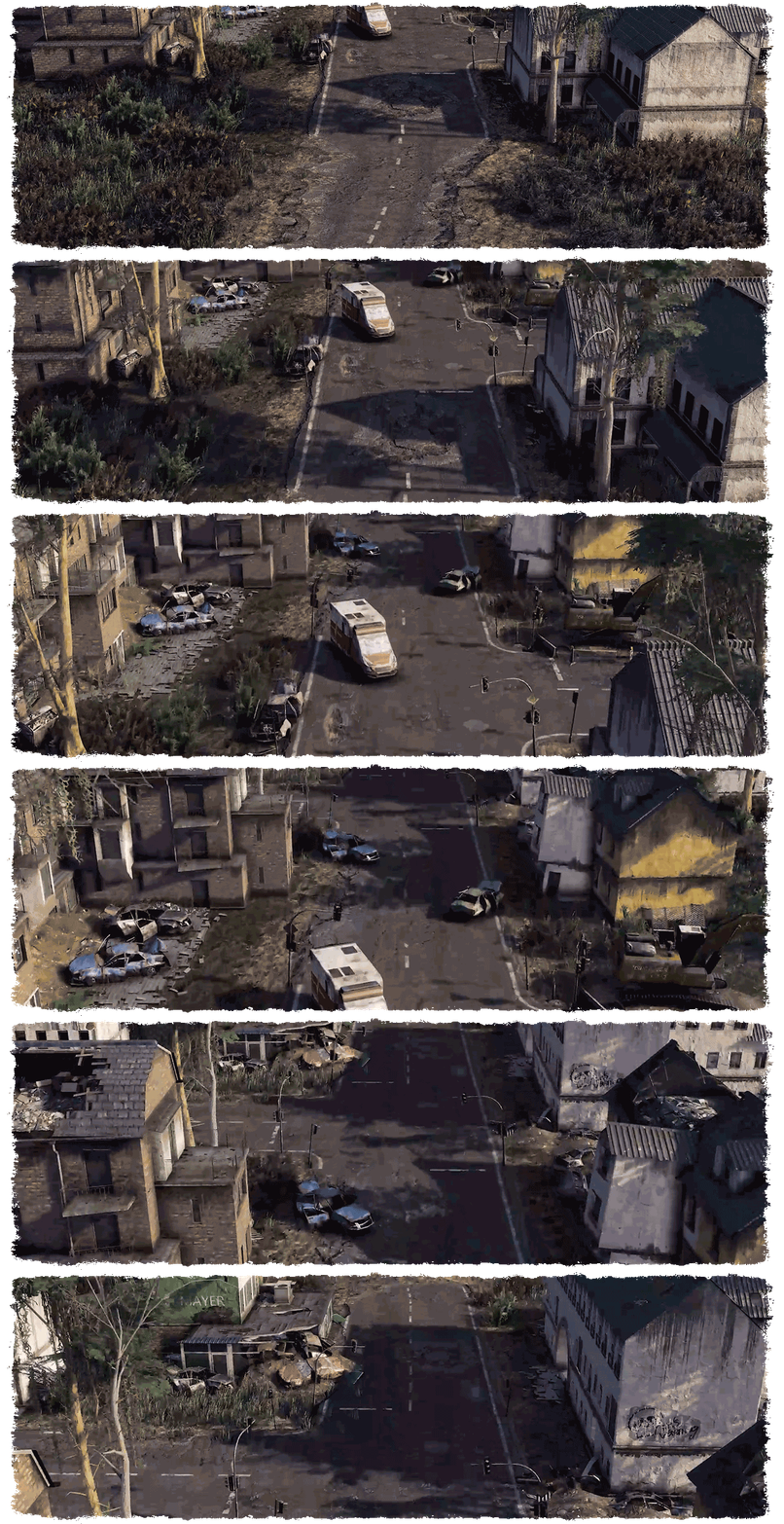
To start of, we need to explain a few mechanics in Endzone 2. Zones, or the plateaus that you settle on, are predetermined terrain stamps created by us, while the overall map generation is procedural. This means that each seed selected for a new session has a slight chance of containing a certain zone you've encountered before, but its position and even its existence are random.
We classify zones into three types and three sectors, which divide the playable map by the large river in the badlands. New Sectors are only accessible through an Expedition that involves repairing the bridge to cross the river.
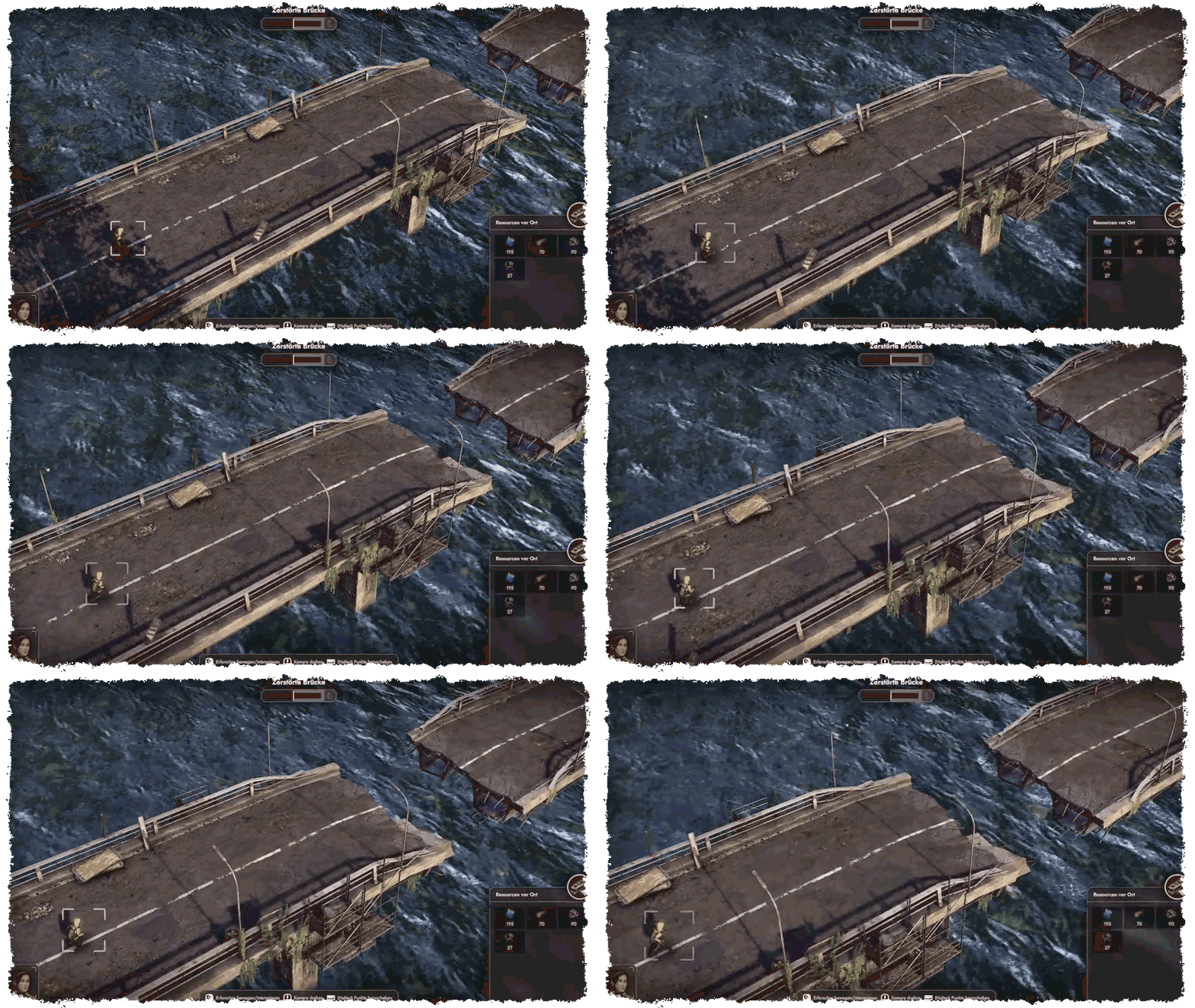
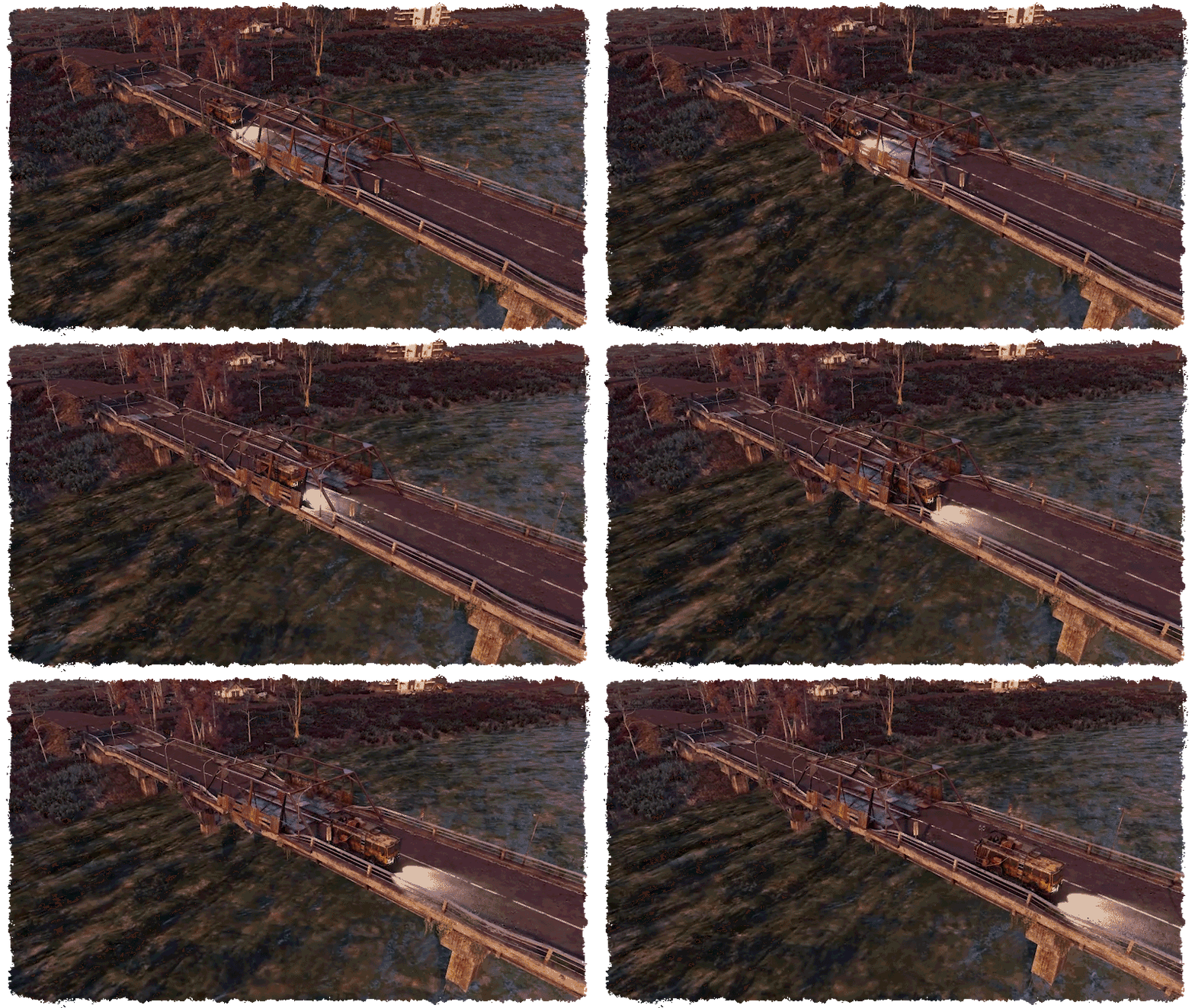
There are Small, Medium, and Large zones, and each of them can appear in any sector. However, as the sector number increases, the more exclusive resources the zone can contain, while also being more challenging to navigate.
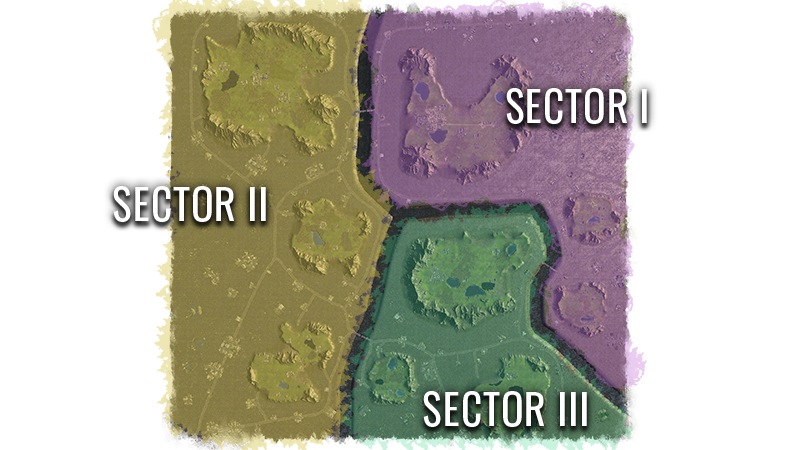
Screenshot taken from in-game view of the Map with a detached Camera. Only for preview purposes.
Each zone can feature different Ground Types, Forests, Lakes, Mines, Ramps, and Ruins. While we can designate the area where certain parameters will spawn during map generation, we cannot determine their exact shape, distribution, quantity, or which specific Ground Types, Mines or Ruins will appear. However, we do background checks to adjust the ground types, mine placements, and difficulty levels of the zones based on the sector they spawn in. Essentially, this means that a zone you're familiar with may have different conditions in another playthrough.
You always start in Sector I, which does not contain certain Ground Types and Resource Slots such as Iodine for example. So if you happen to encounter a zone in a different playthrough later on in Sector II or III it certainly might have different Ground Types or Resource Slots that were different before, but the zone shape and distribution remains the same.

Ground Types
There are 8 different ground types that influence where buildings can be placed and what resources can be harvested. Here's a breakdown of each ground type and its significance:
- Water:
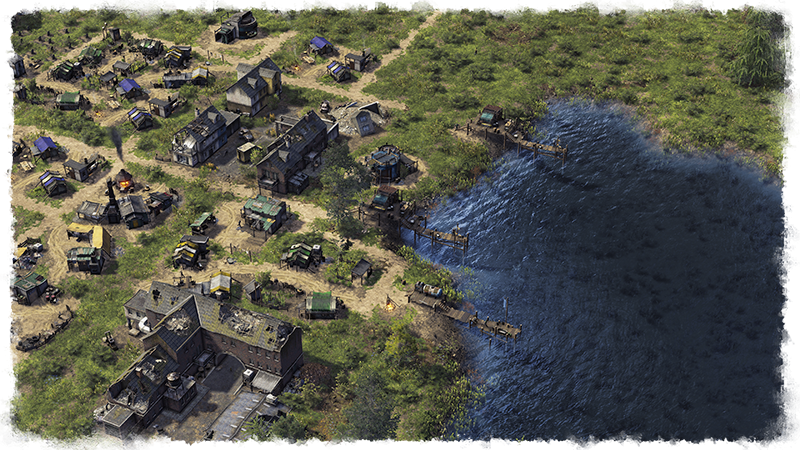
Although not a ground type per se, lakes determine where certain buildings can be constructed. Some structures require placement on a lake shore, while others might need proximity to a water source for functionality.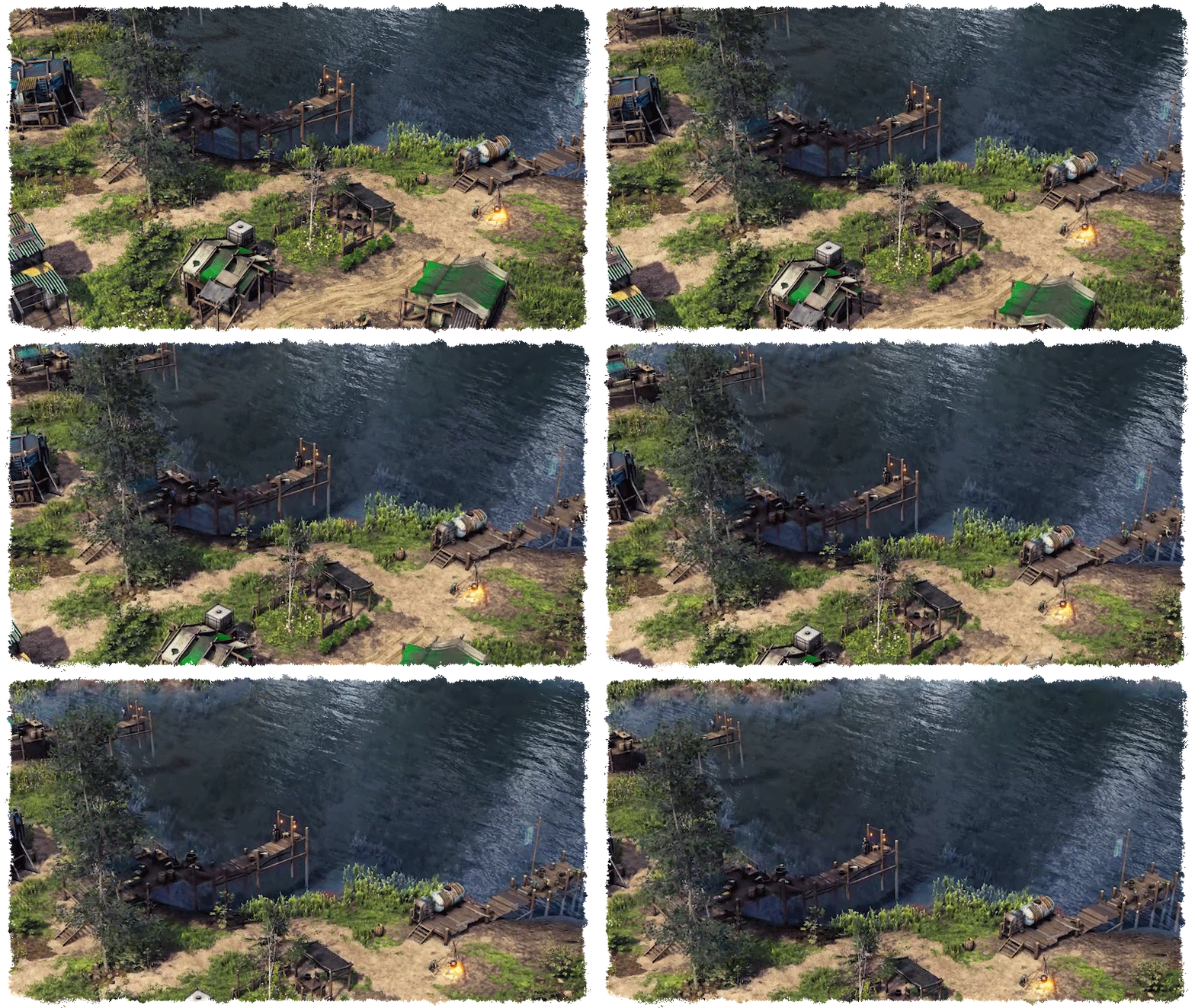

- Mountain:
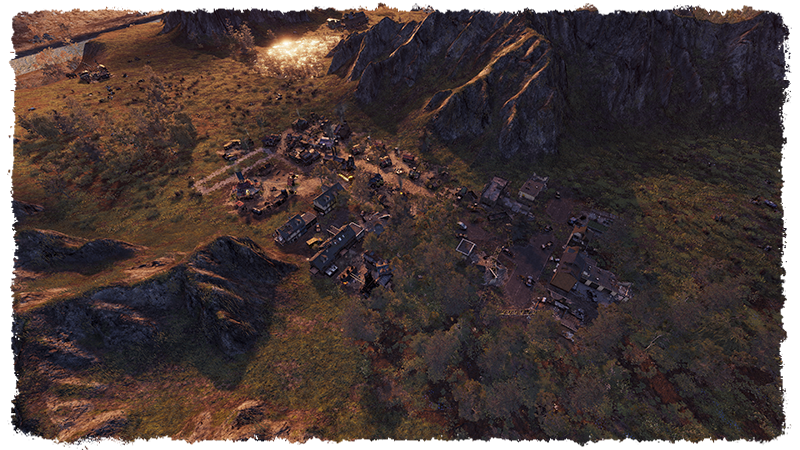
Similar to water, mountains aren't buildable areas but play a role in determining where specific buildings can be situated. Certain structures might require placement on a mountain slope for optimal functionality.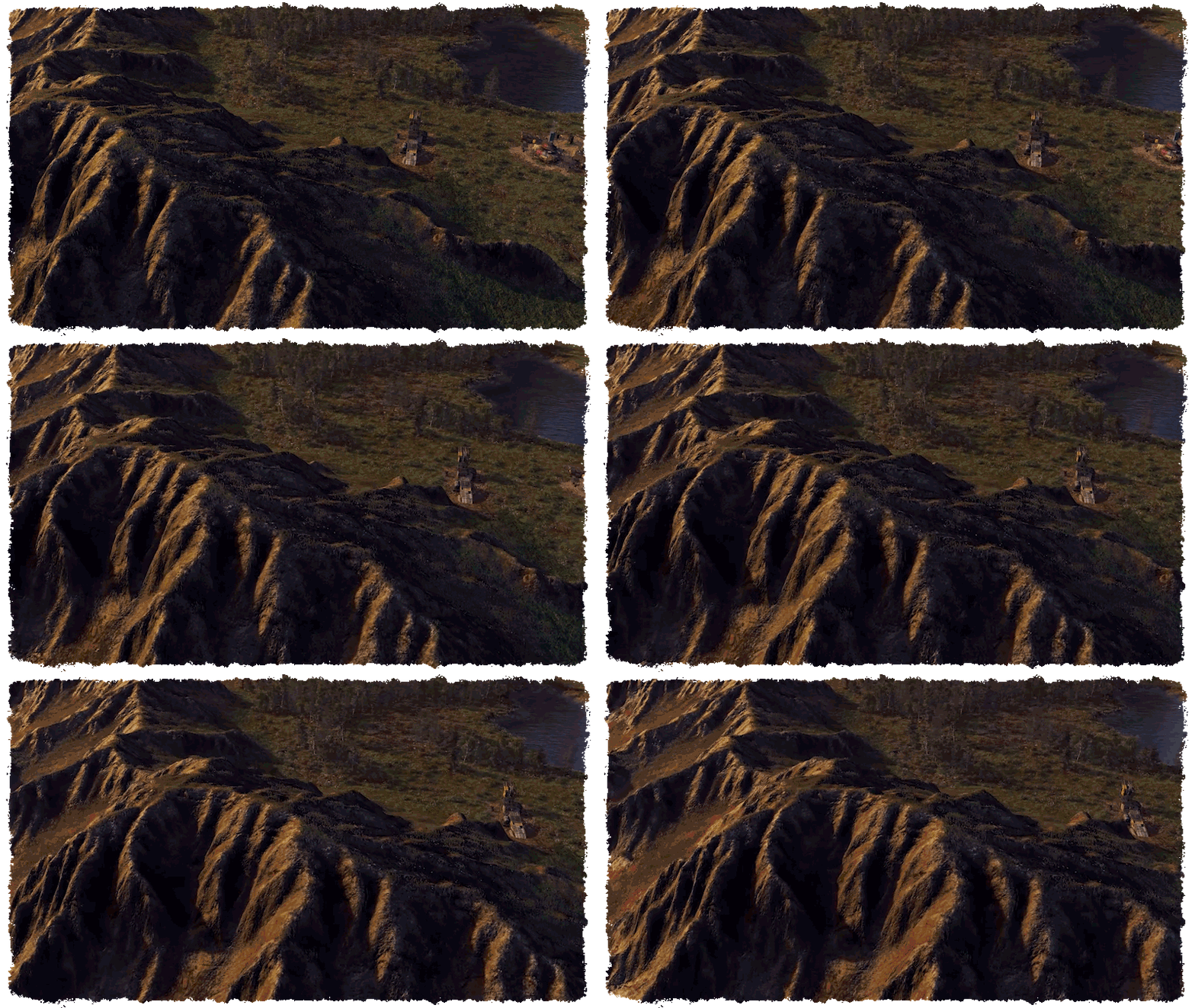
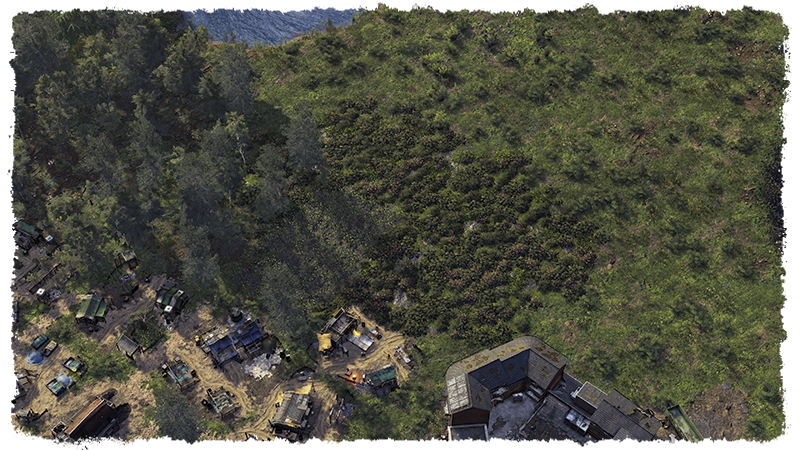
- Fertile Soil:
This ground type is crucial for agricultural activities, as it's where crops can be cultivated. Farms require fertile soil to grow crops effectively, so managing the availability of fertile soil within a zone is essential for sustaining food production.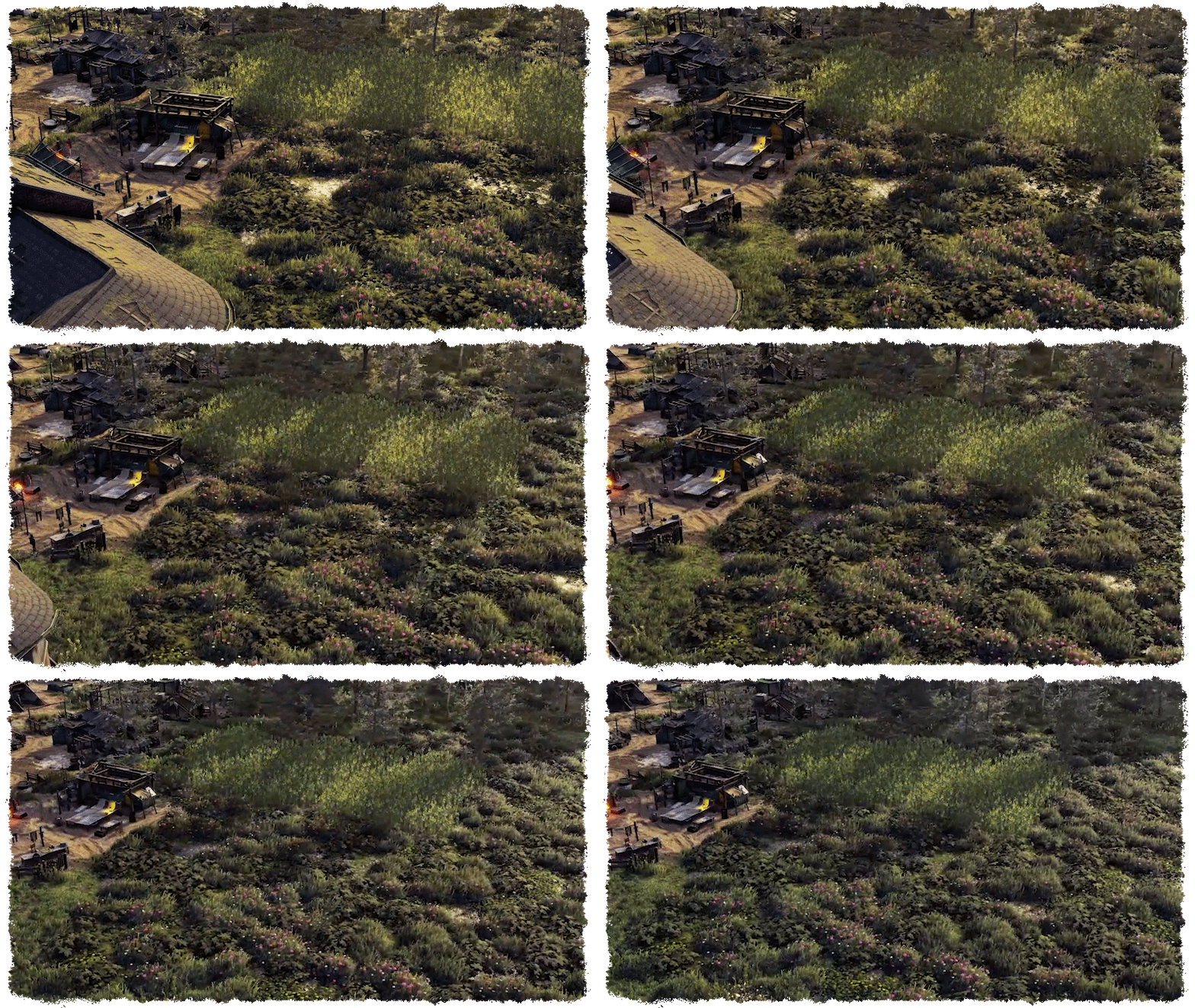
- Swamp:
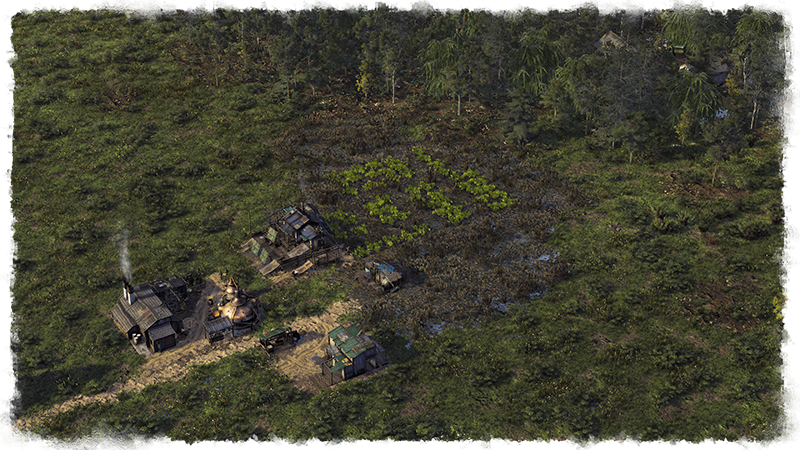
Like fertile soil, the swamp area has its unique set of buildings and resources. For example, the Swamp Farm specializes in cultivating herbs, requiring swamp ground type for optimal growth. Additionally, wells placed in the swamp area can extract water from the ground.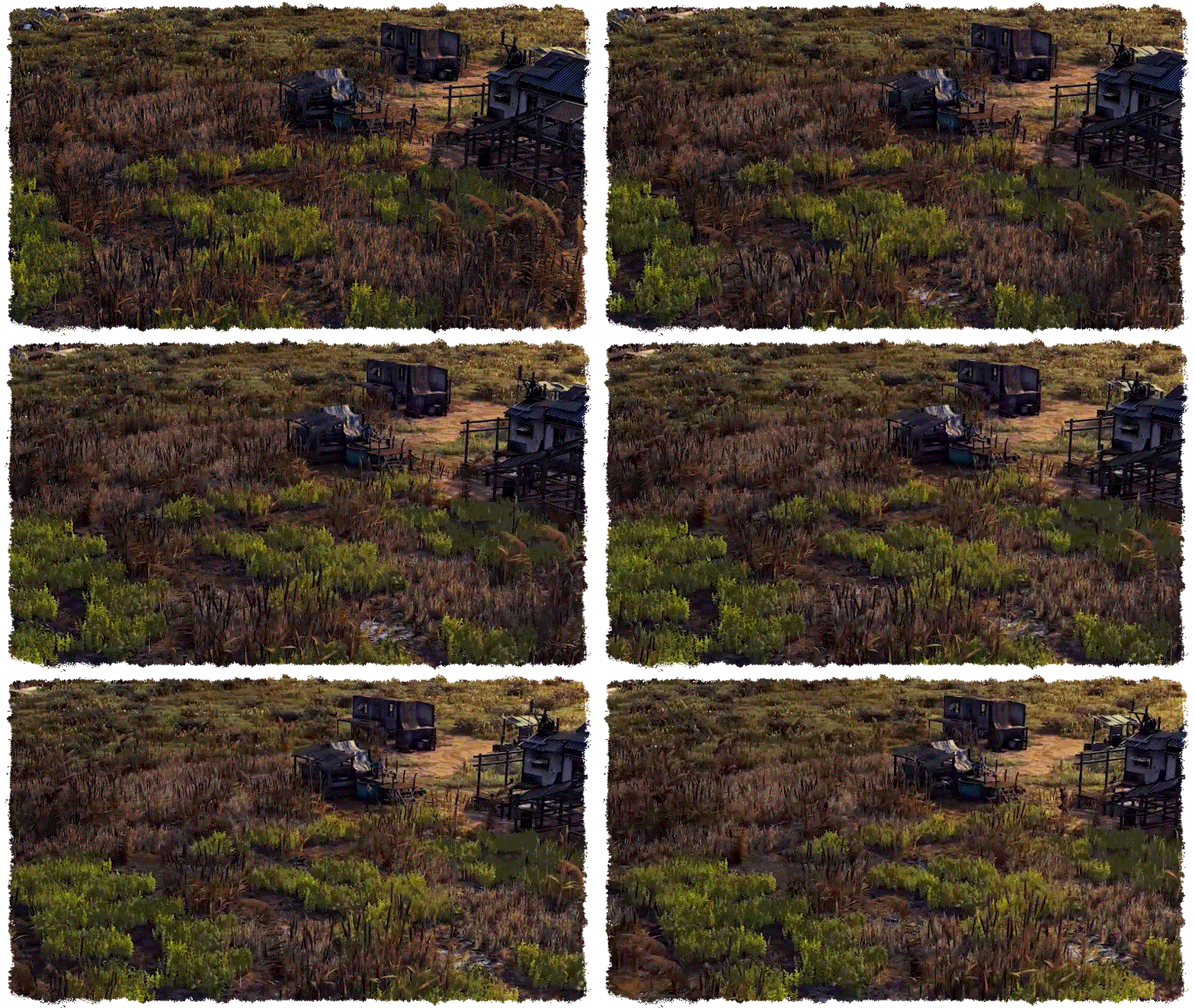
- Forest:
Forests provide an environment for trees and berry bushes to grow. While not restricting building placement, forests are essential for woodcutting and gathering resources. Placing buildings like Woodcutters and Gathering Huts near forests maximizes resource extraction efficiency.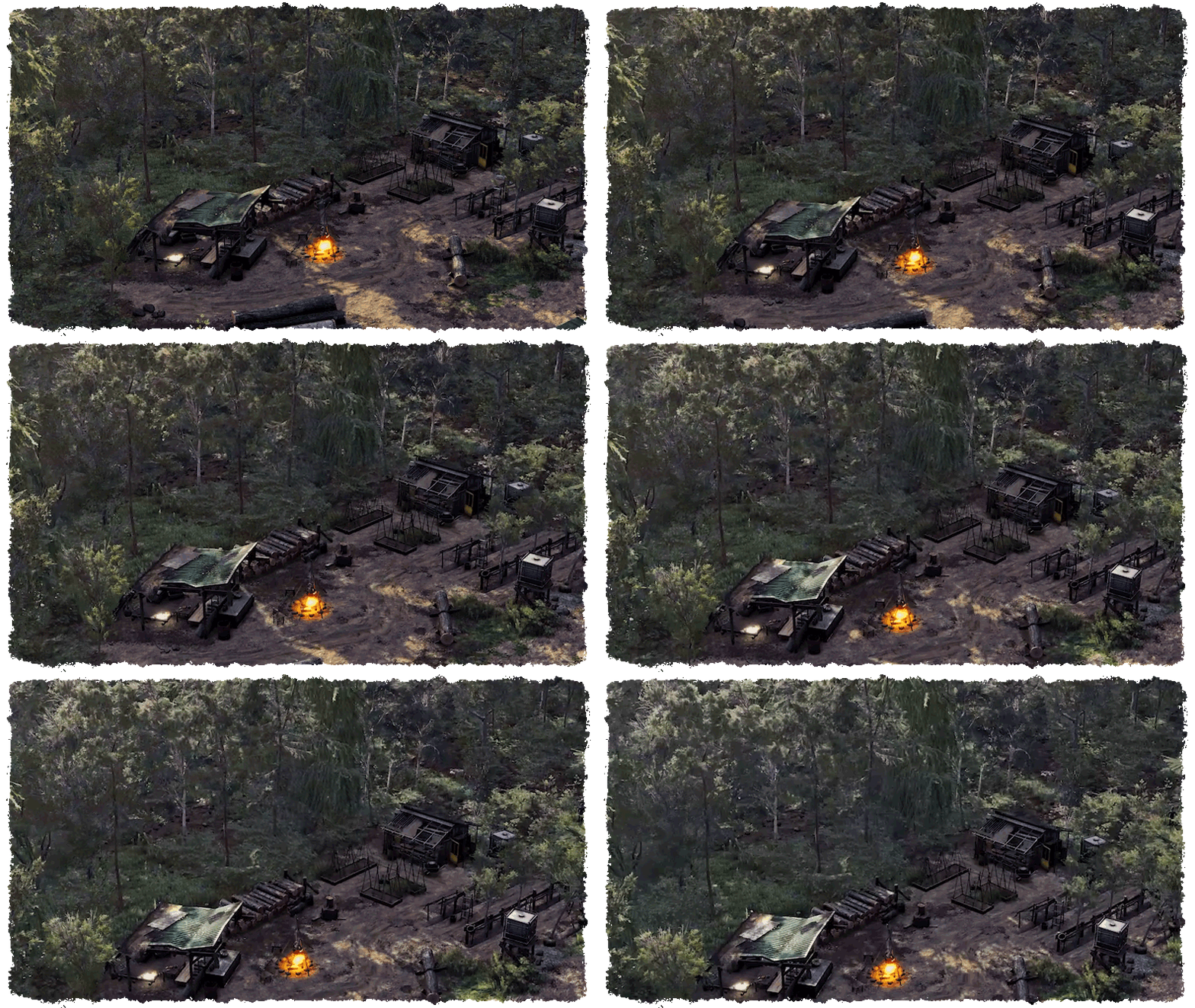
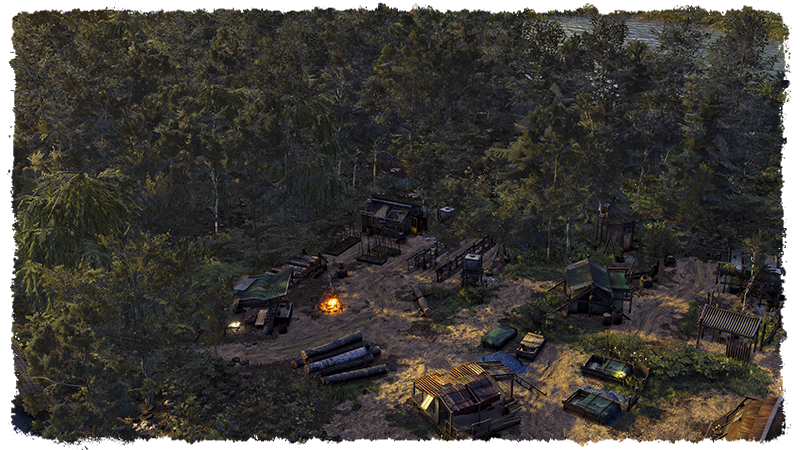 Pro Tip: Trees don't naturally regenerate. To ensure a sustainable source of timber, players need to construct a Tree Nursery to facilitate reforestation efforts.
 - Meadow:
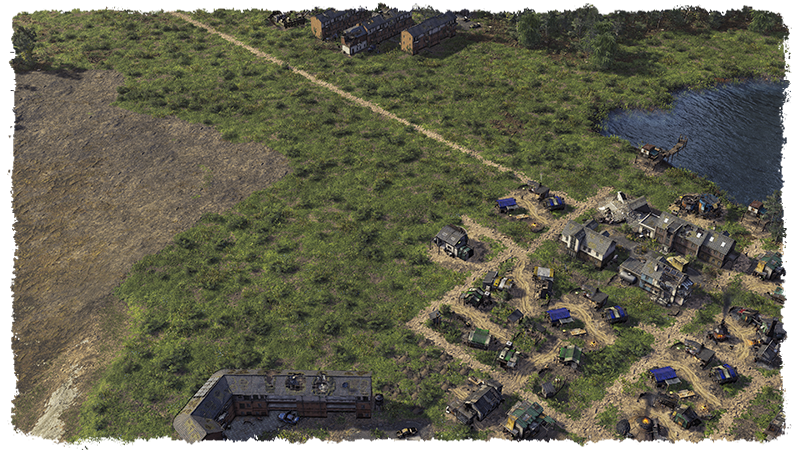
The default ground type, meadows allow for unrestricted building placement. Players can construct buildings anywhere within meadow areas without any specific limitations.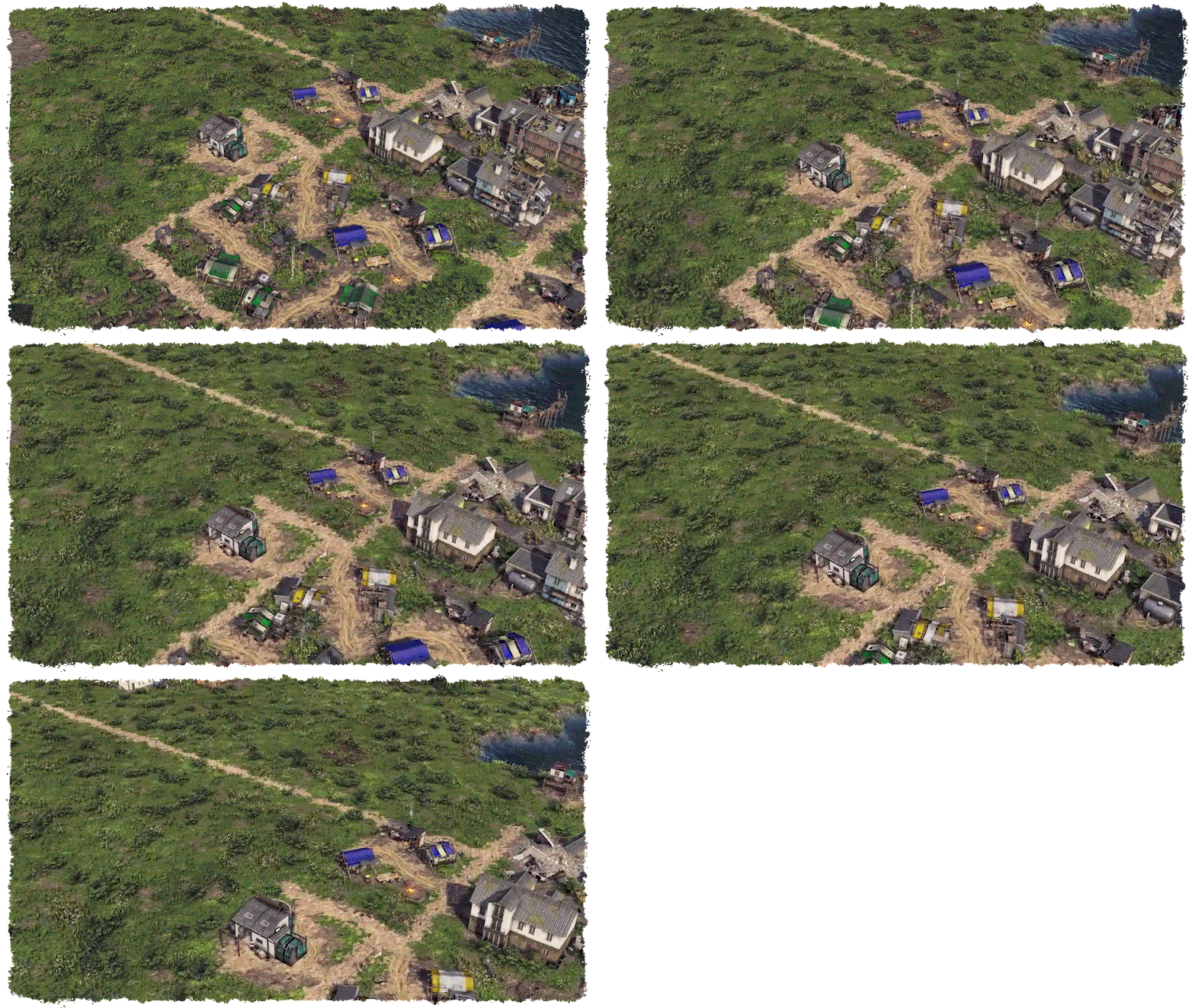
- Intermediate Area (Badlands):
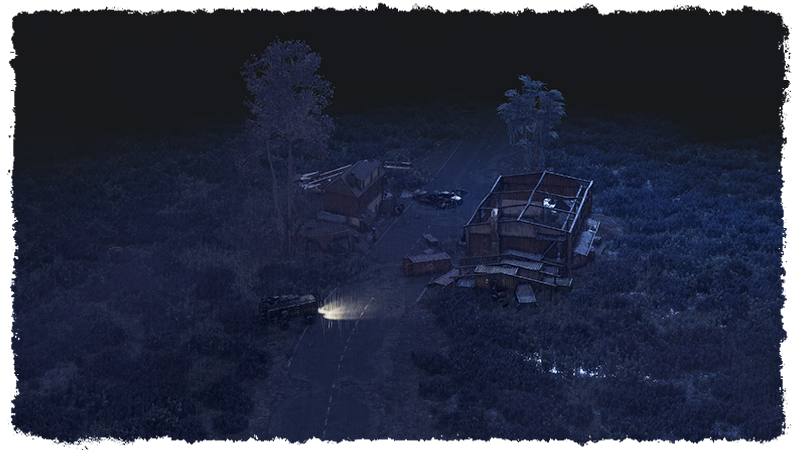
Situated between different zones, the intermediate area, also known as Badlands, contains remnants of past civilizations in the form of ruins. While players cannot construct buildings in the Badlands, they can freely explore the area using vehicles, uncovering secrets hidden within the ruins and gather leftover resources, meet traders and more.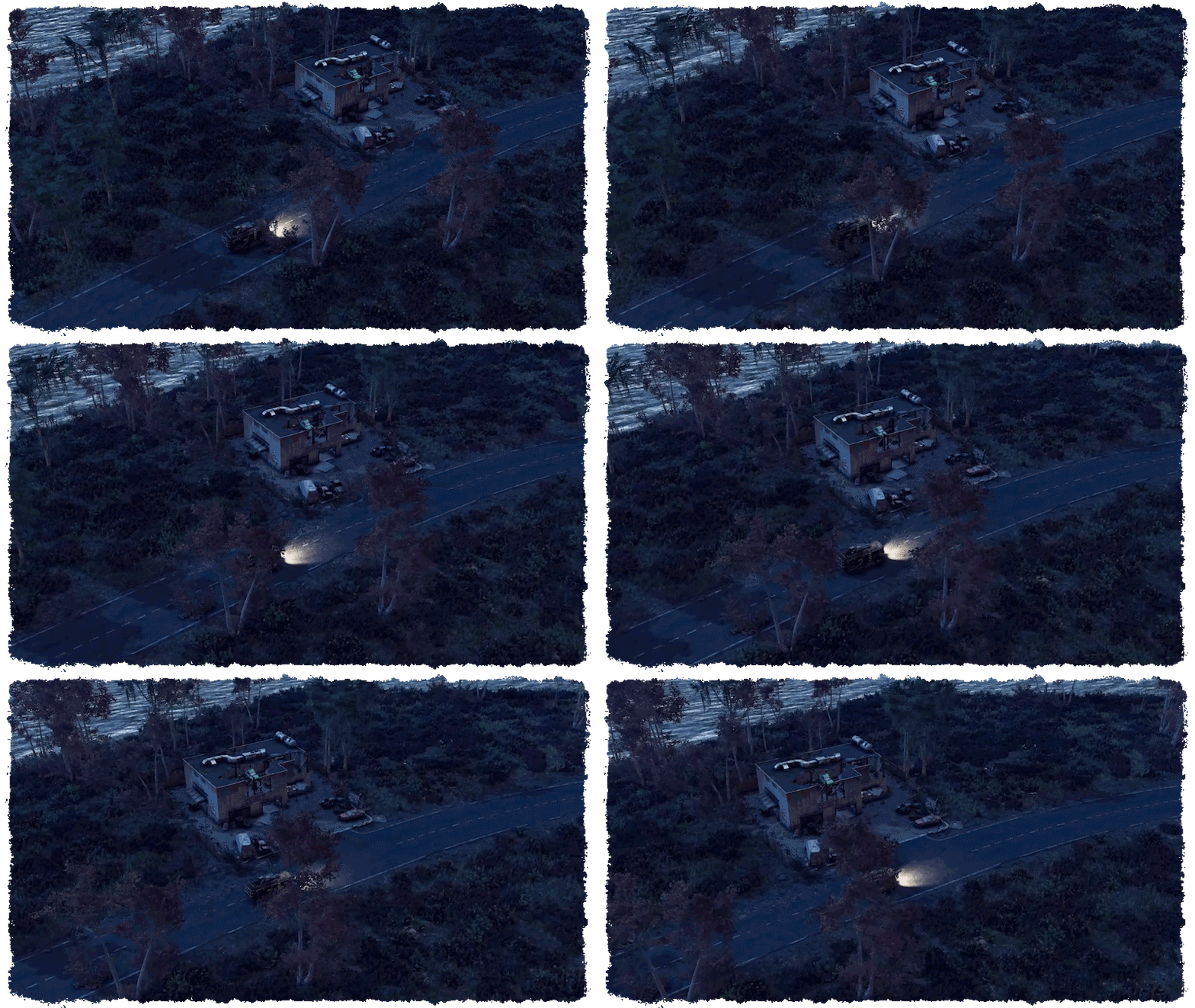
- Contaminated Area:
The Contaminated Area ground type introduces a unique and mysterious element to Groundtypes, presenting players with intriguing possibilities for gameplay mechanics and narrative depth. While its exact implementation is still being explored, here are a few potential ideas to consider: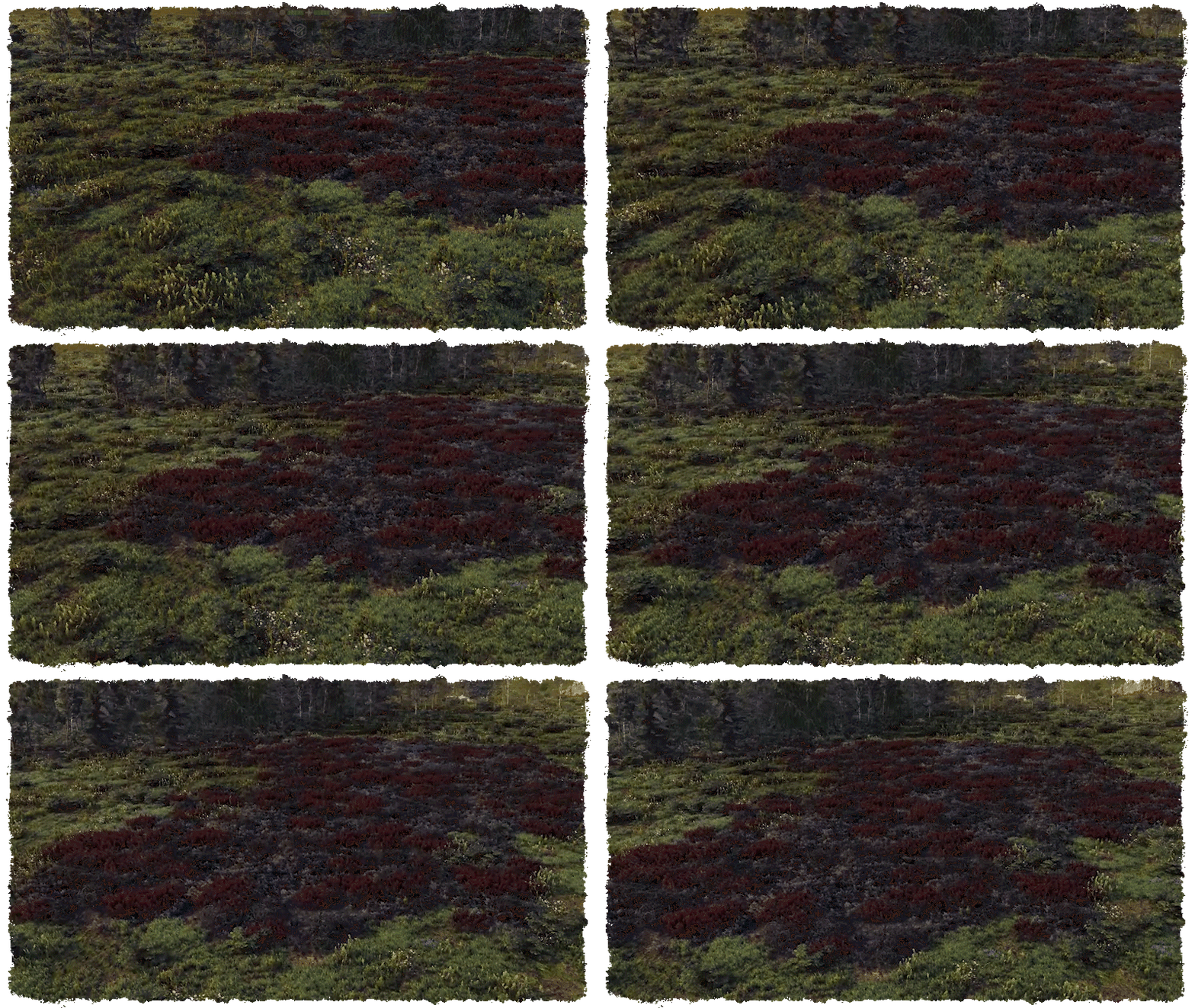
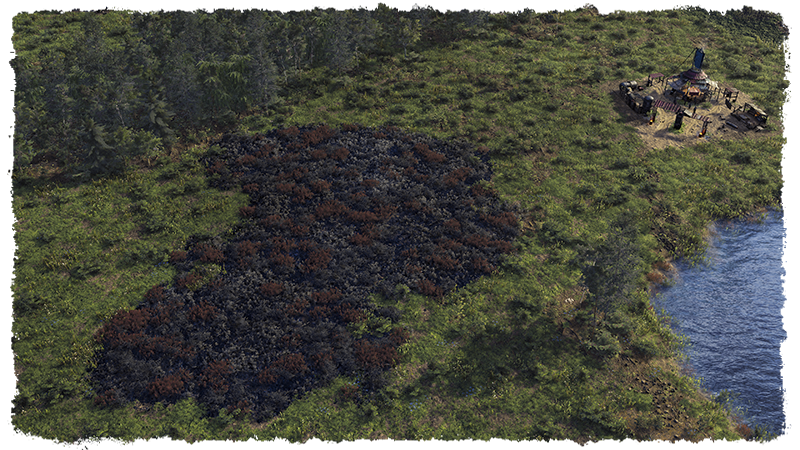
- Environmental Hazard: Contaminated areas could pose a significant threat to players' settlements, requiring them to invest resources in cleaning up the contamination to expand their territory or access valuable resources. This could involve constructing specialized buildings or deploying units to mitigate the contamination's effects over time.
- Special Resources: Alternatively, contaminated areas could harbor rare and valuable resources that cannot be found elsewhere on the map. Players may need to develop advanced technologies or employ specialized techniques to extract these resources safely, balancing the risks of contamination with the rewards of accessing unique materials.
- Dynamic Evolution: Contaminated areas could evolve and change over time based on players' actions and decisions, leading to dynamic shifts in gameplay and narrative outcomes. For example, successful efforts to clean up contamination might result in the area becoming habitable and fertile once again, while neglect or mismanagement could lead to further deterioration and new challenges for players to overcome.
We are open to any suggestions on how this feature could be implemented into the game. So if you feel creative, hop on our Discord Server and let us know what you think.
Resource Slots
Apart from the Ground Types, which mainly concern players within a zone, there are also Resource Slots and their corresponding mines. Resource Slots are designated areas where a related building's radius must be placed to generate that resource. Most production buildings have a radius around them, which is important to consider for certain boosting buildings located nearby, connected roads, and other factors. For Resource Slots and Mines, this radius only needs to encompass the cell in which the resource is located. In this example below, we place the Claypit directly on top of the Clay Slot.
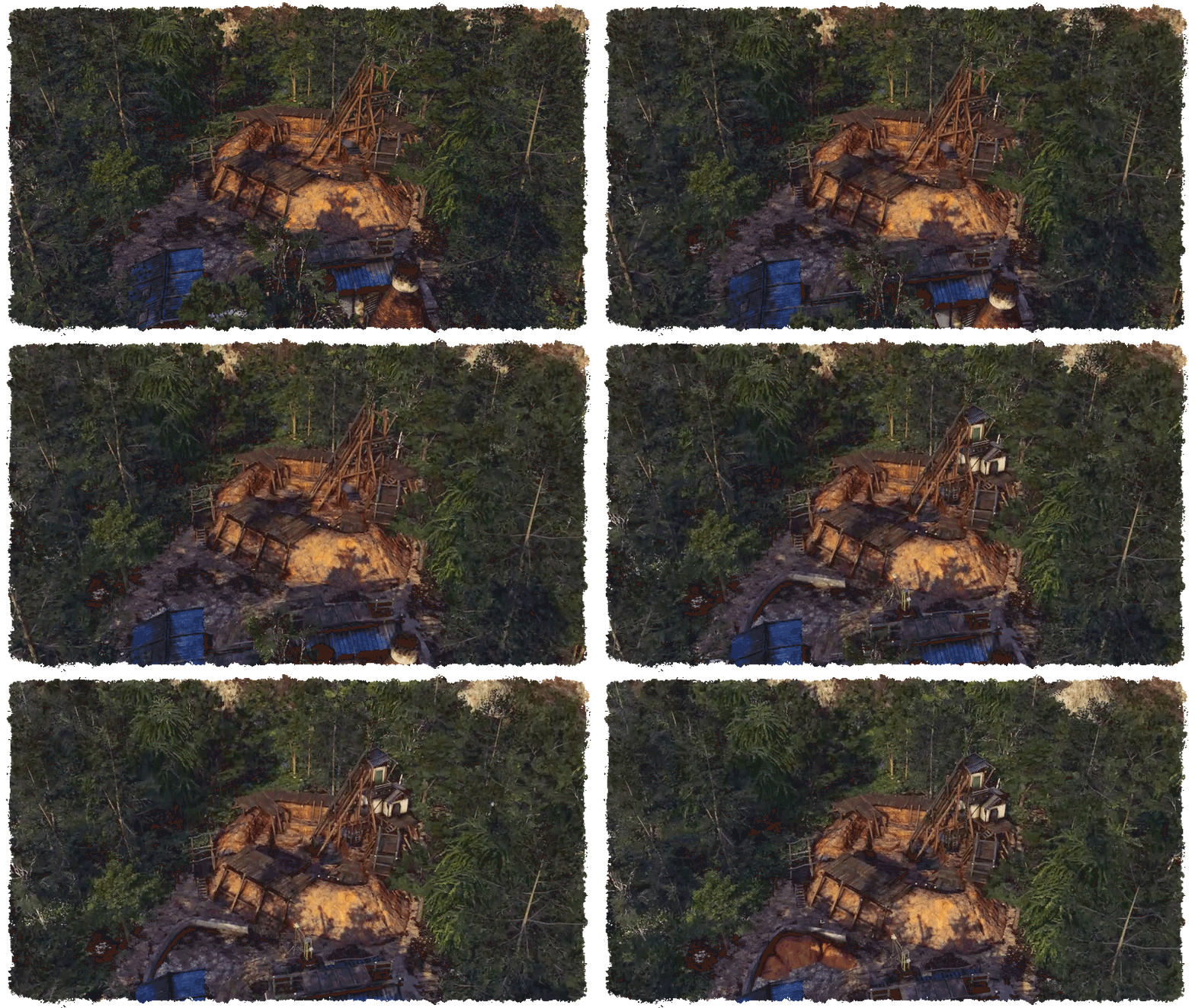
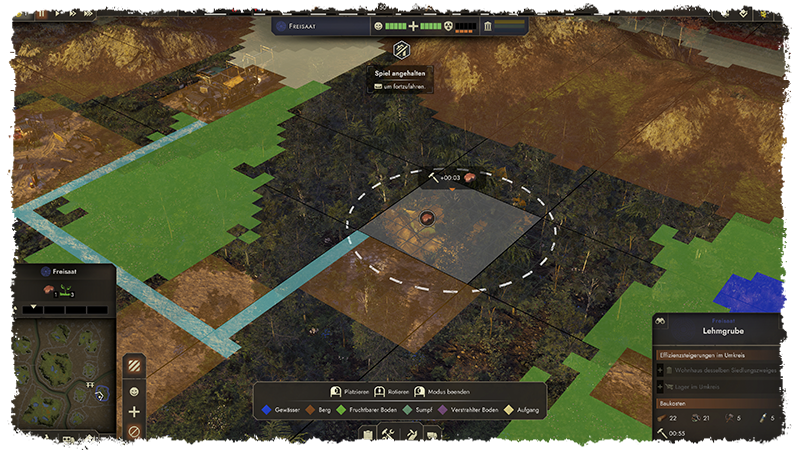
There are currently 5 different resources that can be mined. However, there is another type of Mine that we will discuss soon.
- Clay
- Copper
- Iron
- Lead
- Iodine
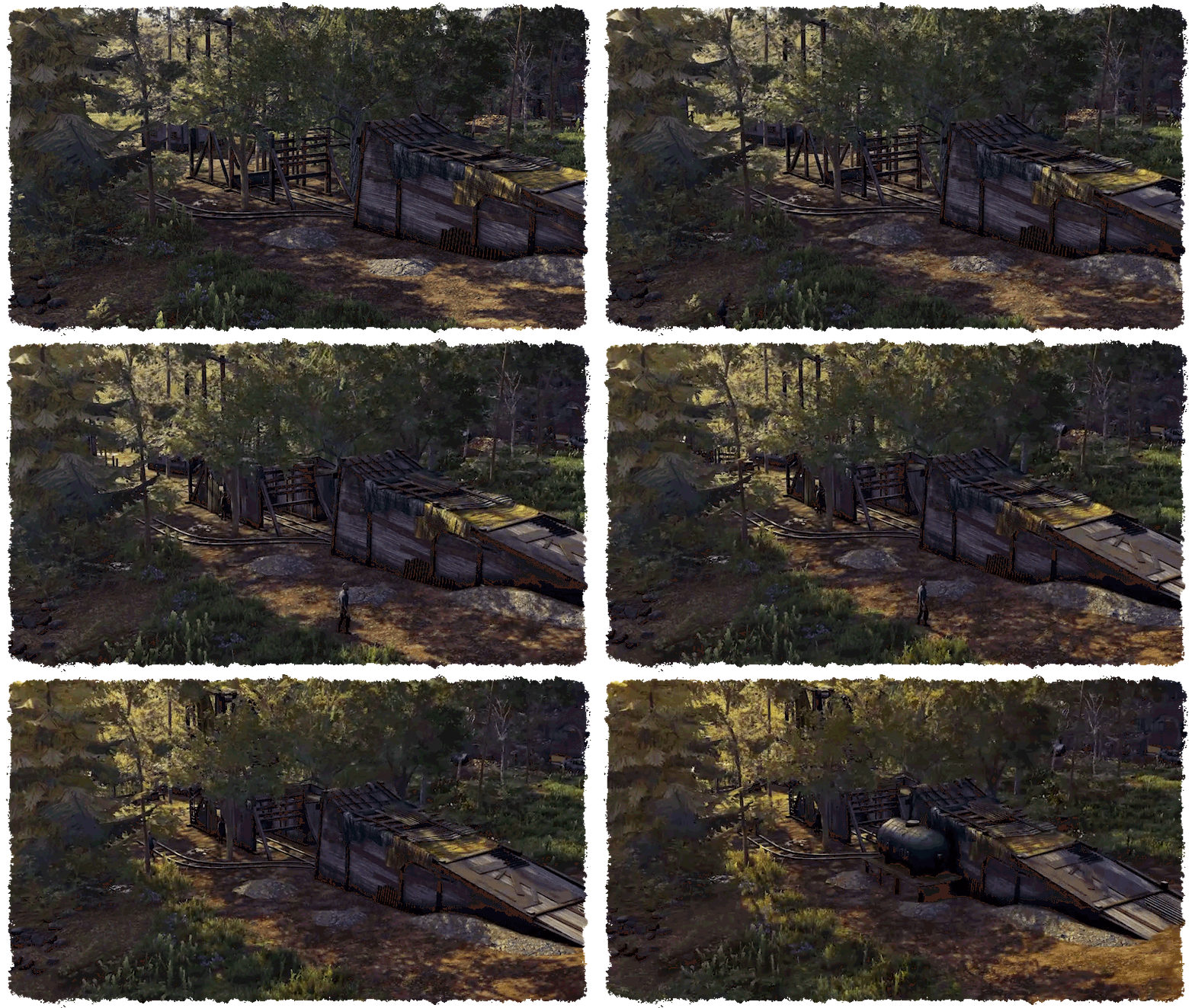
In the case of the Iodine mine, similar to the Claypit, the building needs to be placed close to the resource slot, which, for this type of mine, is located on a mountain slope.
Resource Mines
Now, we've nearly wrapped up everything, with just one thing left to mention. Although constructing buildings in the Badlands is not directly possible, there is a unique way to utilize the ruins found there. These ruins can be transformed into what we call "Resource Mines." Initially, these ruins contain a playable expedition. Upon successful completion of the expedition, the ruins are converted into a building that generates the related resource. Players can then visit these mines repeatedly to collect resources, even outside of their settlement, adding a strategic element to exploration and resource management.
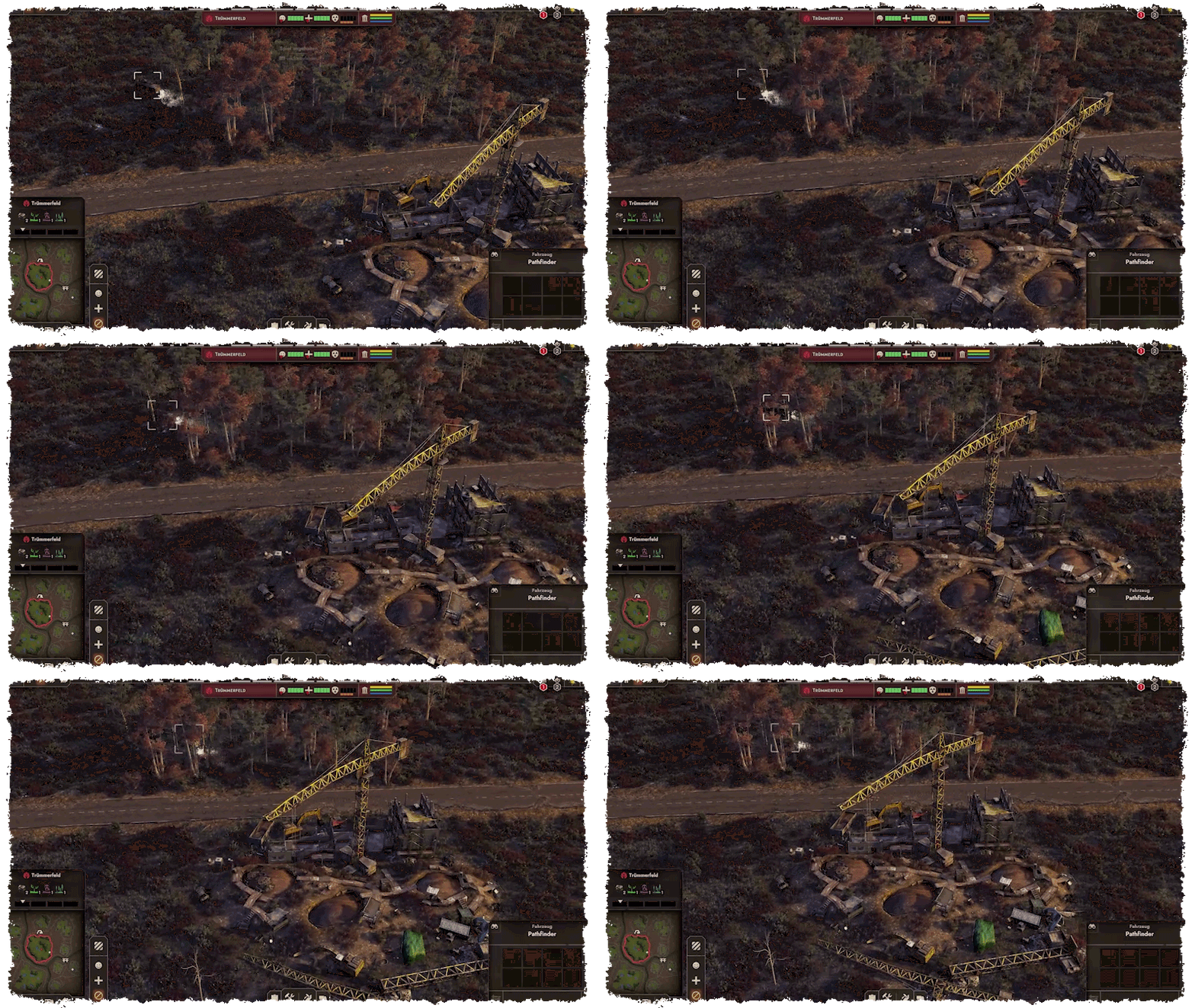
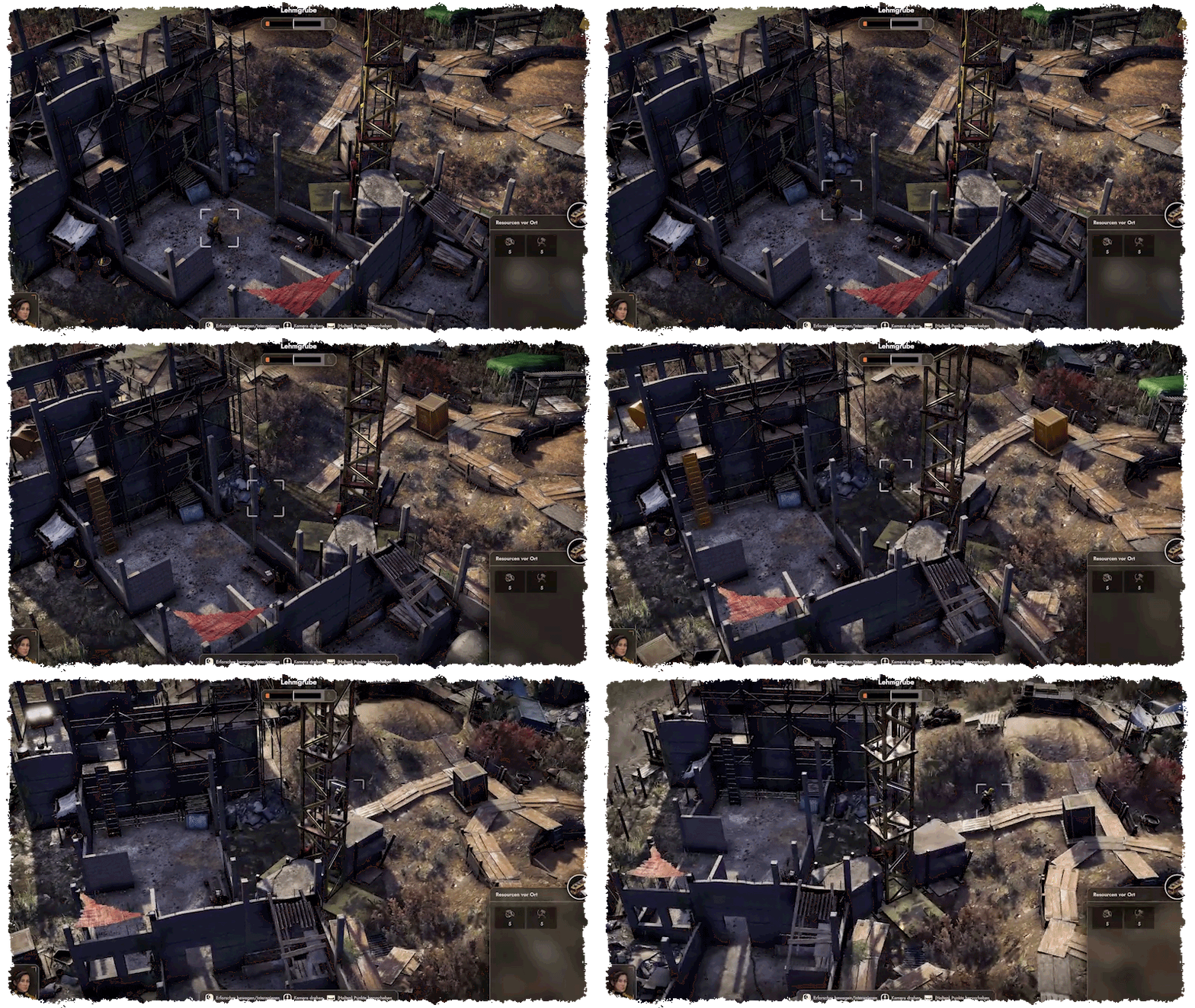
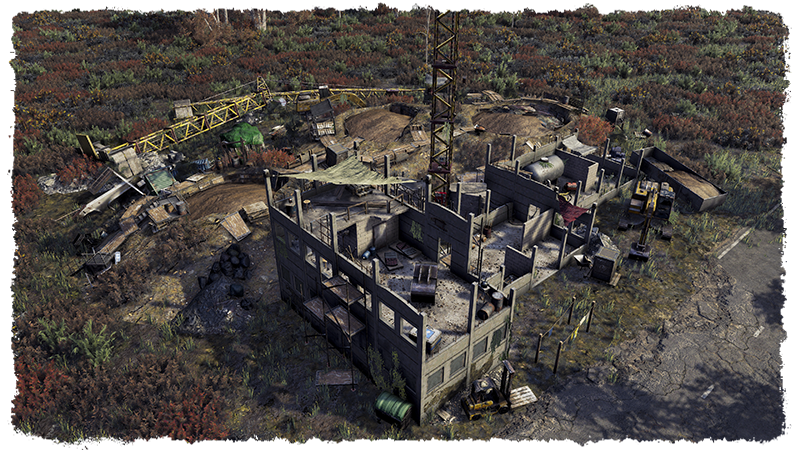
Currently there are 2 different Resource Mines in the Badlands: The Claypit and the Scrapyard. Throughout the Early Access we are aiming to implement more ruins that can potentially become a Resource Mine.
https://store.steampowered.com/app/2144640/Endzone_2/
As Discord is our main platform for feedback and discussion within the community, we highly recommend joining us and sharing your feedback there.