Dev Log #4 How the Tobor team works together to achieve the visual goals
Tobor - Digital Artbook · published
Hello! This is Noir, Game Graphic Artist of Tobor, and you are watching 'Noir Dochi' on CH 1.
As an artist, I had to ask myself 'what would interest the players?', and I've decided to share the ‘small steps we take’in order to implement the art of Tobor.
I believe that the main difference between an illustrator and and game graphic artist is the level of collaboration with different parts. For example, since I can't do programming myself, I need to collaborate with a programmer to implement the art style. Collaborations is actually the toughest, but the coolest part of making games. On this devlog, I'd like to give you a brief overview of how the Tobor team works together to achieve the visuals goals.
<Text Adventure Game - Designing Creating the experience of wandering in a dream>
In Tobor, classic ‘Text Adventure’games are used to make the player simulate as if they are having a dream. TAs are a great example to explain the level of collaboration while making games.
Our goal on the Text Adventure game was to “make the player feel as if they are having a blurry nightmare”. I imagined that these dreams would be filled with situations that don't make any sense, such as unrealistic objects and physics. Moreover, I wanted to express the unexpected connections between different spaces including sudden chases by weird monsters and etc. These Text Adventure visual concepts were largely inspired by the works of Satoshi Kon and Jan Svankmajer, so we have recurring dreams within dreams including a mixture of reality a dream and much more. But I'll stop here with the concepts since it could be a spoiler.
<Adding Flesh to the Bones>
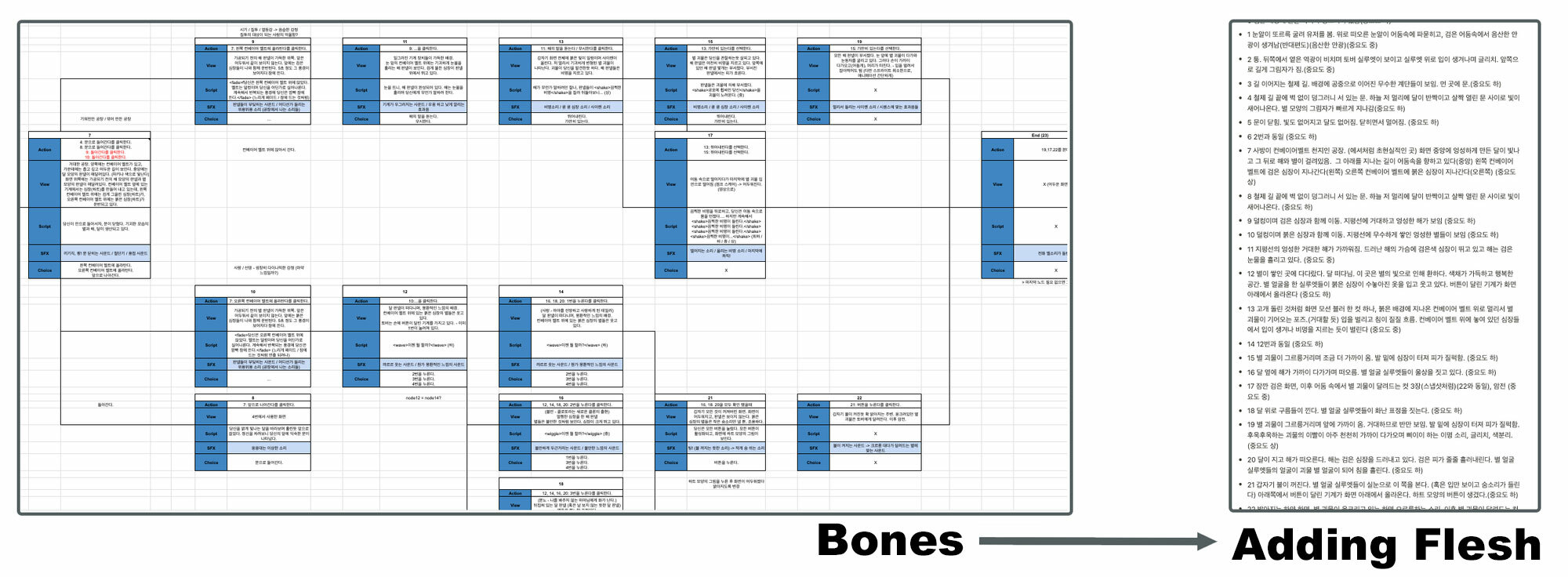
First, Ginger, the director, the team discusses the basic framework of the Text Adventure nailing down our goal, and then I start putting flesh on it for art work. Throughout the process, various changes and alterations occur and it's important to check if everyone is looking towards the same direction. Below is an example of how we add flesh to the bones articulating the visual direction of the game.
<Using our Imagination>
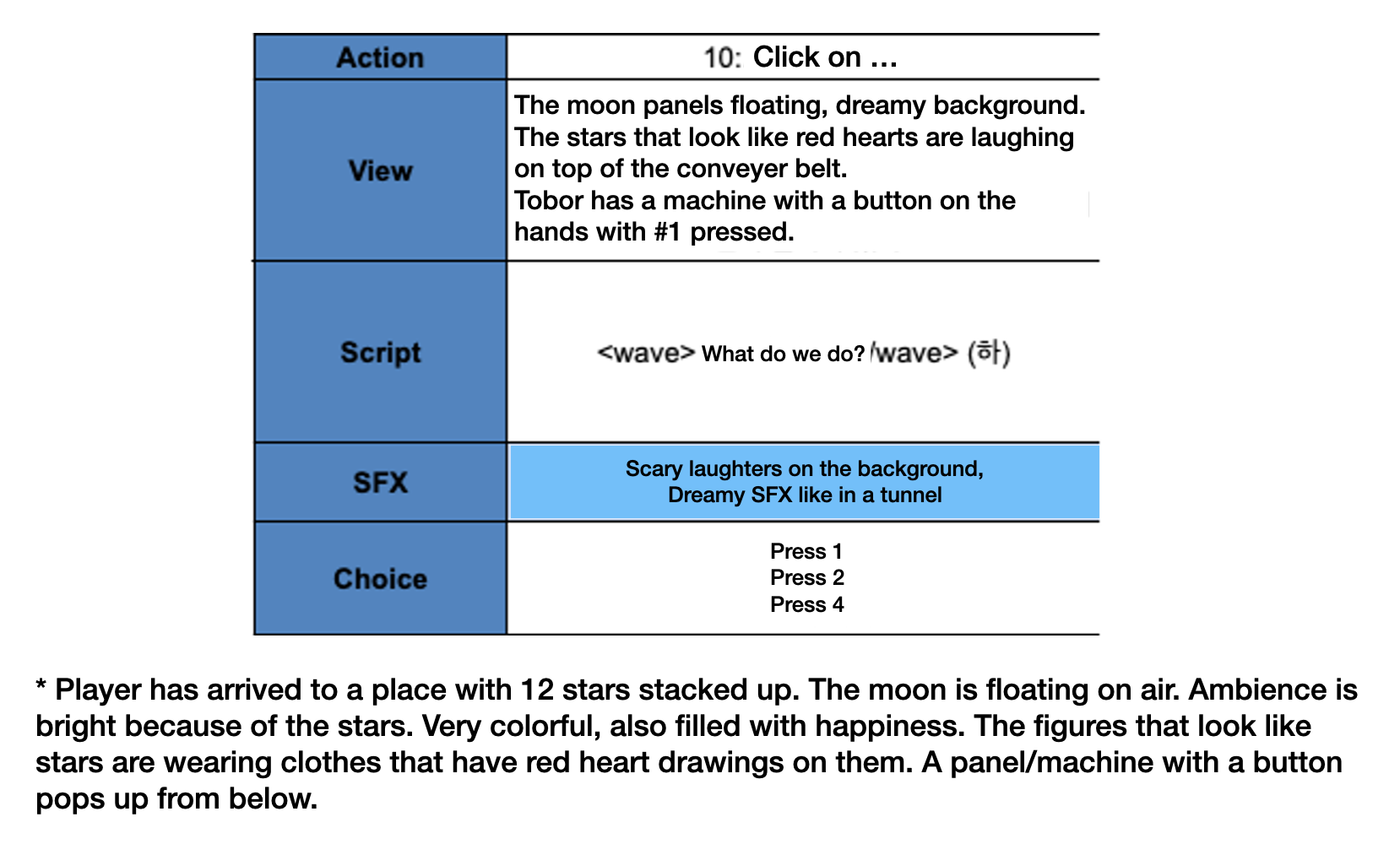
When the team is sure that everyone is on the same page, the next step is adding creativity to the directions articulated and organized in text and ultimately turning them into visual art. During this sequence, it's not only the graphic artists that get together to decide on the flesh. Instead, we also invite the animators and visual effects team to discuss how the puzzles will match depending on what to goal is. At this point we try to discuss all the details and steps necessary to create before we hand the baton to the programmers.
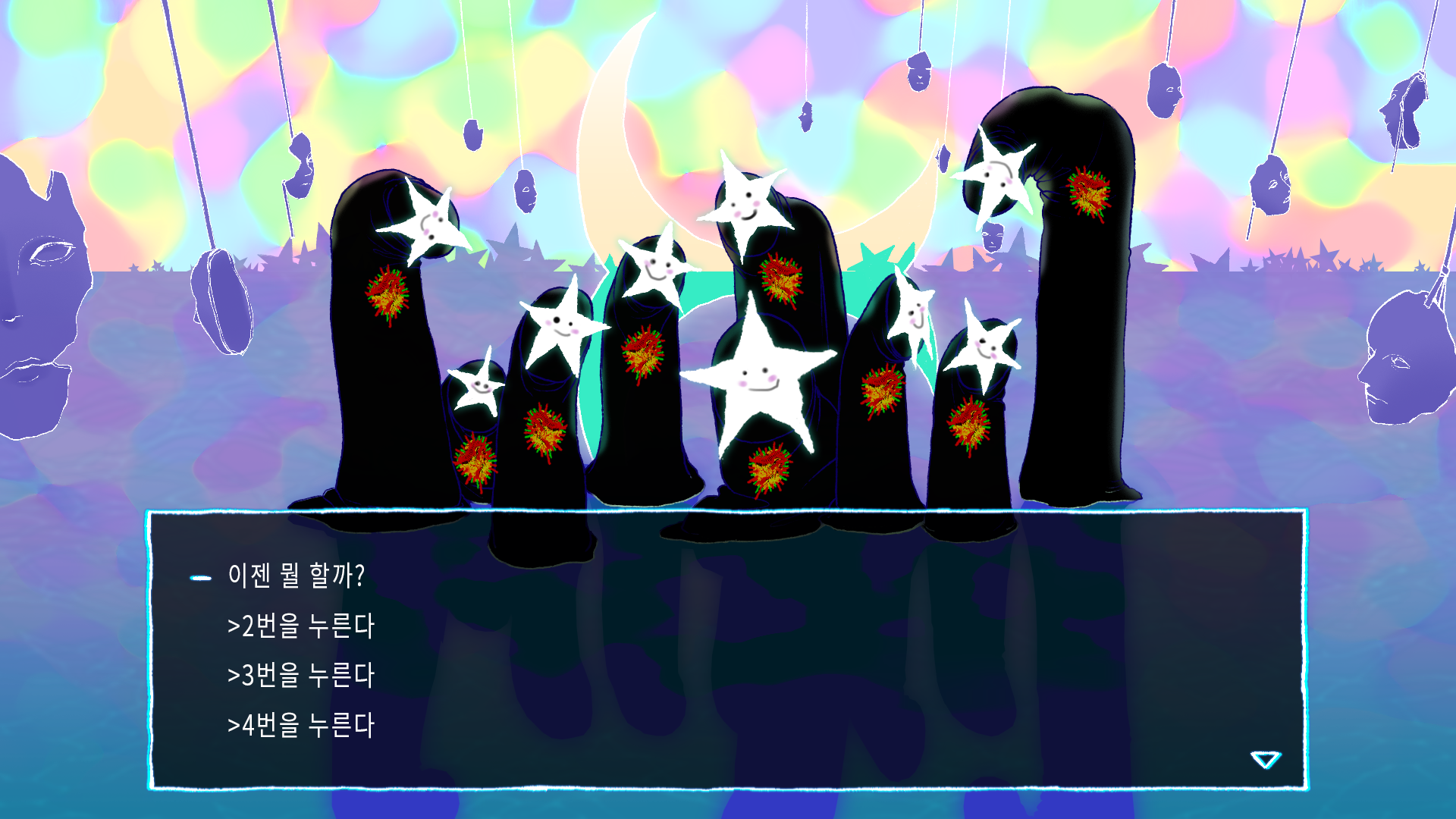
Finished Art graphics
<Deliver Assets along with Guideline>
Once the raw art assets are completed, It's time to deliver the assets along with detailed guidelines on how to implement them. Tobor is a 2D game, so most of the raw assets are directly implemented on the code. When creating the raw assets, we divide them into proper layers and components that can be efficiently implemented in the game right away. In order to save time, the artist has to be able to visualize the components and plan them out before actually making them. Or else, it would take additional time to divide them after the job is done which is like redoing the work once again.
All the assets are organized so that the programmer 'Gogi' and easily tell which asset goes where.
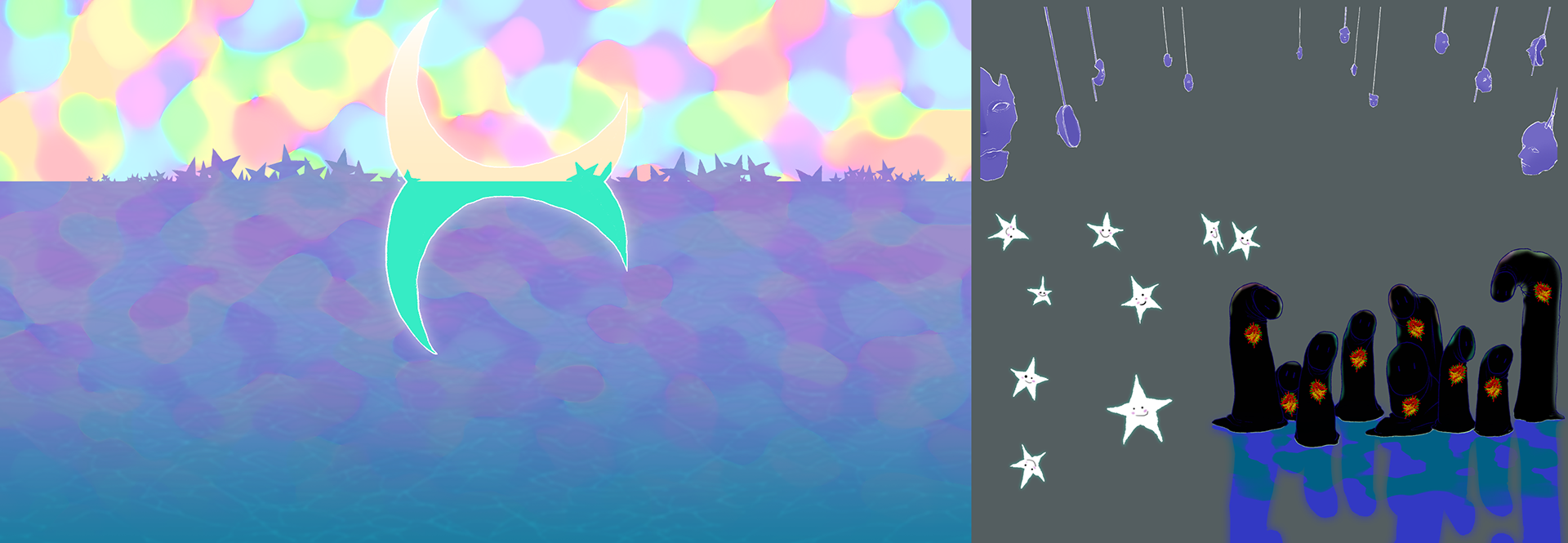
Assets look like this when organized into little components
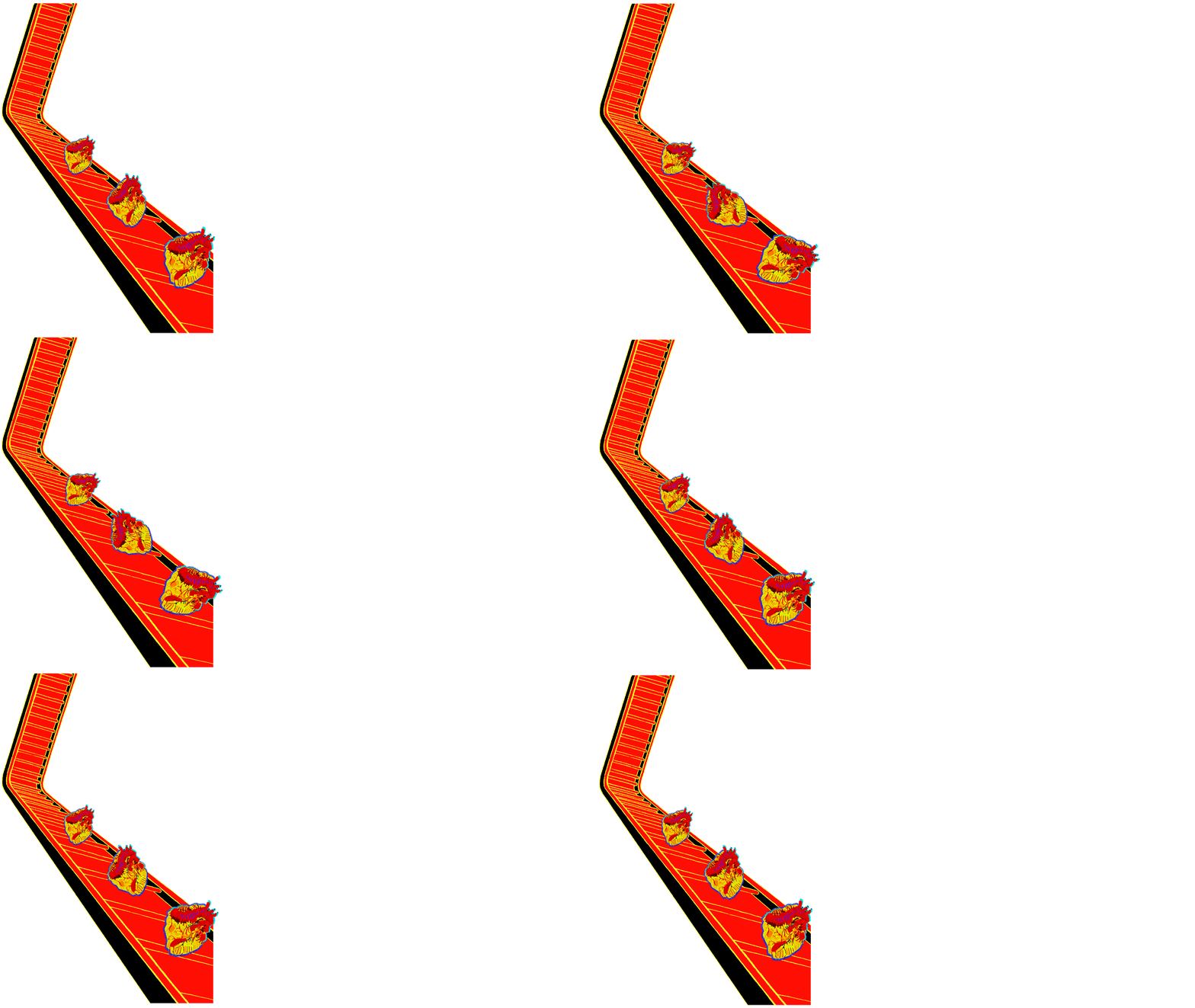
If necessary, the artist is animates these components to facilitate communication
<Actual Implementation>
Once the art assets are properly delivered and communicated to the programmer, the programmer does the magic using code, shaders and post processing which seem quite incomprehensible to a visual graphic artist. During this process, GOGI considers possible ways to implement them on the code adding feedback and discussing what could be more efficient than the other. At the end of the day, the team discusses how to improve the user experience inside the game too.
After the programmer finishes the magic, everyone gets together to discuss and verify if everything is working as it was planned. The final meetings requires a lot of attention to details.
So, this process is repeated until all the Text Adventures are implemented within the game.
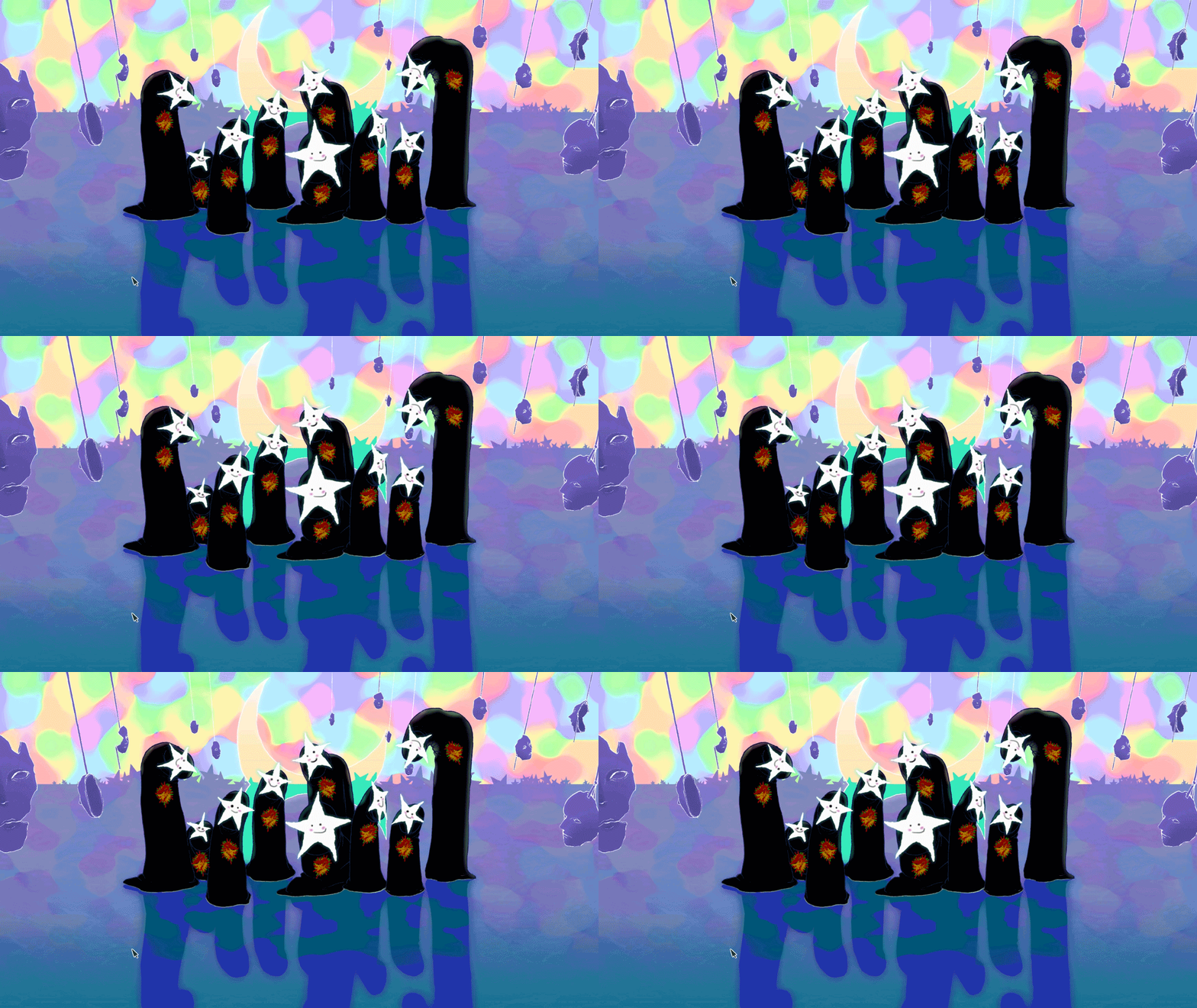
Today I tried to share the process we take to discuss and to create the art of Tobor. It's important to accentuate that it is not only the art that matters when you are creating a game. It's basically designing the whole process of collaboration within the team to tackle the small and big problems we face when developing a game.
Thanks for taking your time to watch this 'Noir Dochi episode on Channel 1. Hope to see you all in another episode.
Cheers,
Sincerely,
Dochi, Game Graphic Artist