One system for drama
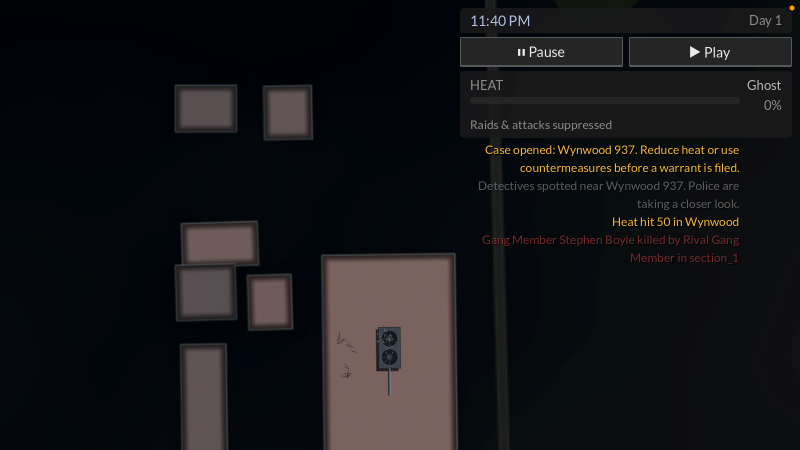
We kept deepening what happens after a crew member turns on you, but the real work this cycle was under the surface.Every dramatic beat in the game used to be its own tangle of special-case code. A betrayal did one thing, a mugging another, heat rose from a dozen different corners, and each new twist meant more wiring bolted on next to the last.We replaced that with a shared drama system: a data-driven consequence layer. Betrayals, muggings, arrests, the fallout from all of them now flow through the same place. A dramatic event is described once, and the system handles what it does to the world: the traits it shifts, the heat it raises, the way a person changes. Adding a new kind of drama is now a matter of describing it, not rebuilding the plumbing.Two examples of the payoff:
Switching sides is a single operation in both directions. When a member defects and when you buy him back, he stays the same person the whole time, carrying his money, his product, and his history with him, not a stranger wearing his name.
Crime has one front door. A mugging, a shooting, a shakedown all report the same way, so heat on the map has one honest source instead of a dozen scattered ones.
What you feel at the table is unchanged: nobody scripts these stories, they fall out of systems reacting to each other. The difference is that the machine underneath is finally simple enough to keep building on, in a much cleaner and more sophisticated way.More soon.