Boeing 747 Debut in 1969: How the Jumbo Jet Changed Commercial Aviation
SkyChart: Airline Executive · published
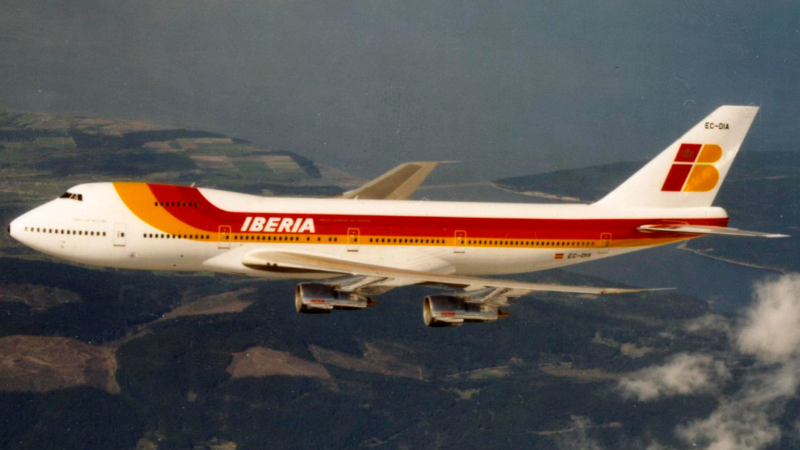
The Boeing 747 Debut in 1969: How the Jumbo Jet Changed Commercial Aviation
Boeing nearly bankrupted itself building the 747. The plane it shipped changed how airlines made money for a generation.
When Pan Am Flight 1 taxied out of JFK on January 22, 1970, it carried 332 passengers to London on a plane that Boeing had bet the company on. The 747 came within weeks of pushing Boeing into bankruptcy before enough orders arrived. The bet paid off, and the wide-body defined airline economics for the next four decades.The 747-100 carried roughly 490 passengers in high-density seating, almost double the 707, with a 9,800 km range that turned multi-stop routes like New York–London or Tokyo–Los Angeles into single legs. Per-seat costs dropped sharply and fares followed, putting long-haul flights within reach of ordinary travelers years before deregulation removed the price floor.
Highlights
Pan Am's Juan Trippe and Boeing's Bill Allen sealed the original 25-aircraft order on a handshake, before a single rivet was placed.
Boeing built a brand-new factory in Everett, WA to assemble the 747. It still holds the record as the largest building by volume in the world.
Airlines that over-ordered in the early 1970s got crushed by the 1973 oil shock, and Boeing itself had to resell completed 747s at a loss.
In SkyChart, switching from narrow-bodies to wide-bodies is one of the biggest decisions in a long campaign across 84 aircraft from 1925–2095.
Wide-bodies print money on dense intercontinental hub-to-hub routes, and bleed cash if you upgrade thinner markets too early.
Image Credit: https://en.wikipedia.org/wiki/Boeing_747#/media/File:B-747_Iberia.jpgRead the full write-up
Read on the Casey Jones Labs dev blog →
Wishlist SkyChart on Steam
SkyChart: Airline Executive is a deep airline management sim, the spiritual successor to Aerobiz that fans have been waiting 30 years for. 496 cities, 122,760 city pairs, 66 historically accurate aircraft. Wishlist to get notified on the Early Access launch. → Wishlist on Steam