How did the original idea for PINEAPPLE come about?
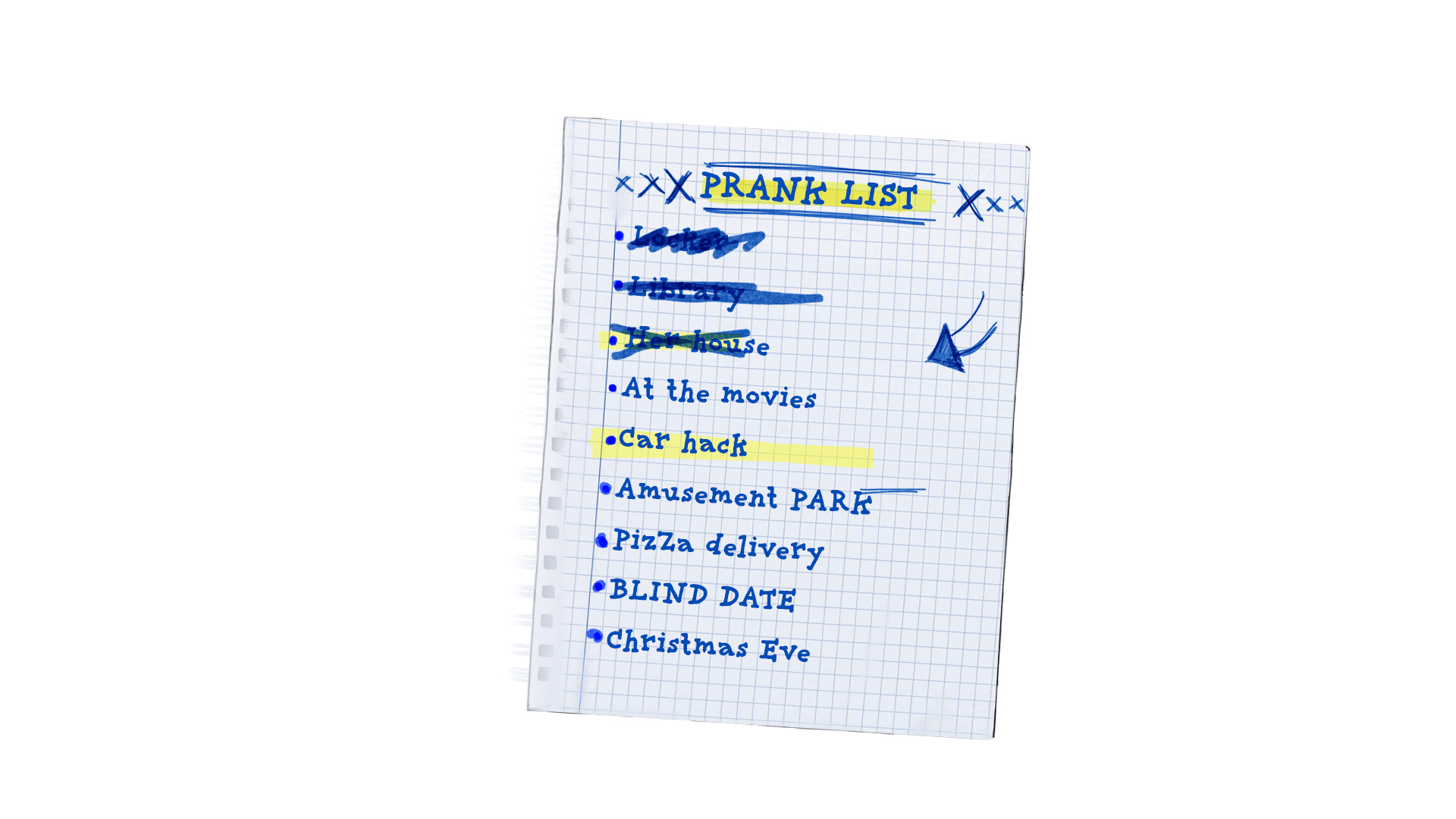
The original idea stemmed from a Reddit post over 10 years ago. An anonymous user shared a revenge story about a new kid at school who gets harassed by a bully for months. One day, he decides to put a stop to it by buying a pineapple. He then starts secretly placing pineapples in the bully's personal spaces, driving the bully insane.
This story resonated with us because of our own experiences with bullying and the way it used humor to address a serious issue. It also presented a moral dilemma: seeking revenge risks turning you into a bully yourself.
A year ago, we revisited this idea and thought it would be compelling to use the narrative power of video games to tell this story.

What are the strengths of this project (art, narrative, mechanics...)?
PIÑA's main strength is its freshness and novel format. It defies conventional genres, offering an “interactive mischief” designed to tell a story. PIÑA's strengths include:
- 1. The Story: It presents a moral dilemma where players transition from victim to aggressor unknowingly. Throughout the game, players earn mysterious points (sN), only to discover their true meaning at the end, delivering a shocking reality check.
- 2. Humor: The script, drawings, and situations are imbued with humor. We avoided a preachy tone, instead using humor to engage players in what seems like a funny story, but is actually something darker.
- 3. Duration: The game lasts about 90 minutes, intentionally short so that more players can reach the end. The challenges are fun and interactive rather than complex puzzles.
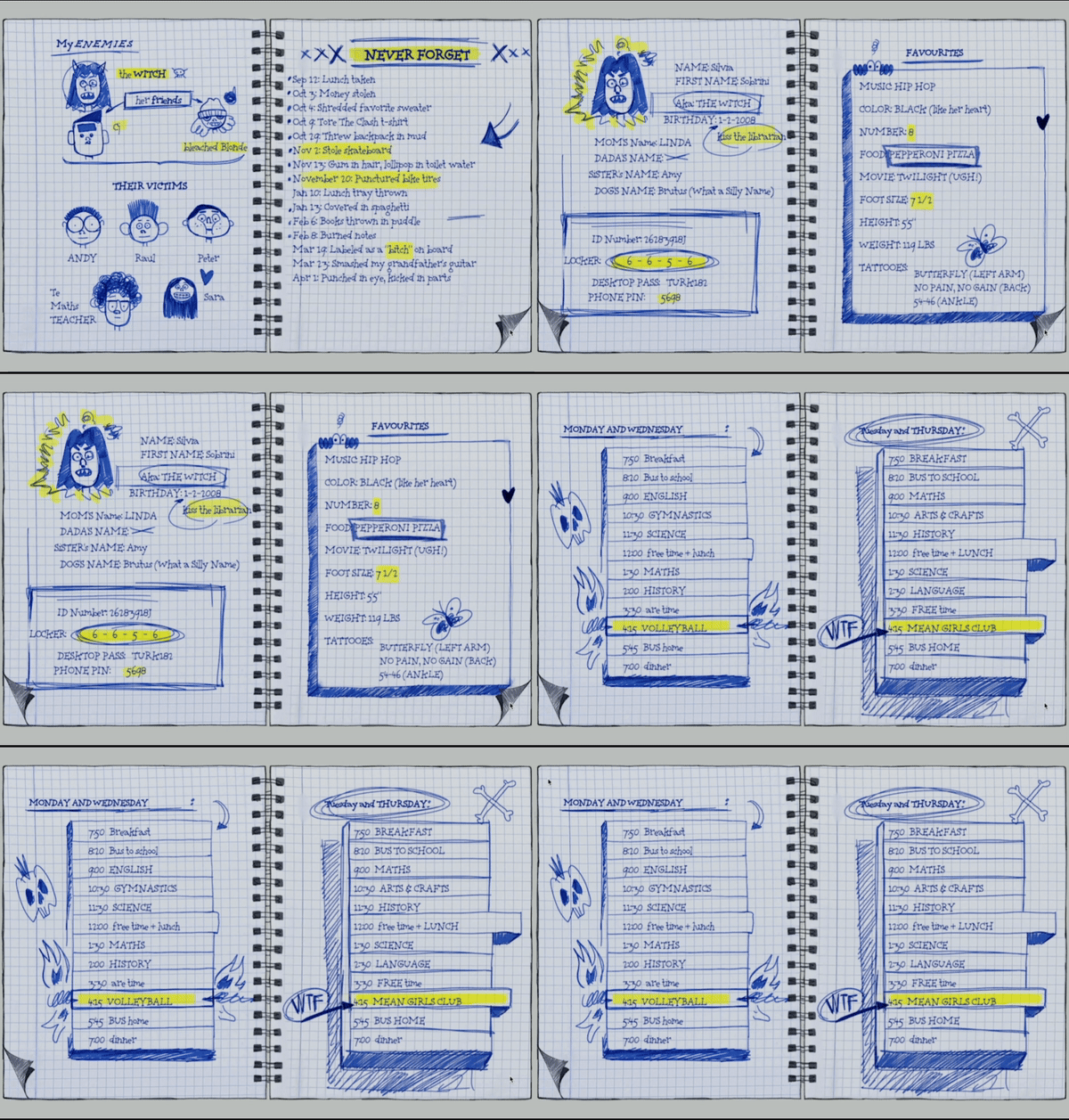
- 4. The Art: We aimed for distinctive art, reminiscent of classroom doodles. David Octane’s style perfectly matched our vision.
What is the biggest learning you have taken away from this development?
Every development process is a learning journey. At PINEAPPLE, we've found our creative approach unique: we start with a story and then develop the game mechanics to match it. This contrasts with the common method of beginning with a game genre and mechanics before crafting the story. This impacts not only the development process but also how we communicate the game, including the prototype and trailer.
In designing a “traditional” game, clear mechanics or genre allow for early and effective communication. The audience quickly grasps if it’s a strategy game, cozy game, or roguelike. For us, it’s been challenging to communicate the essence of our project effectively.

Do you work with a publisher or do you self-publish the game? Why have you taken one or the other decision?
Marketing a game like PINEAPPLE is complex. We believe it can appeal to a broad audience, including non-gamers, but it remains niche with few comparable titles. While we've sought a publisher to help us reach this audience, none have been willing to take the risk.
What would you have done differently if the project started from scratch?
In hindsight, involving the audience earlier in creating and ideating jokes could have been beneficial. Bullying is a common experience, and tapping into the collective creativity of a broader community could have yielded great ideas. Crowdsourcing contributions would enrich the content and foster a sense of ownership and connection among players.
Additionally, allowing players to choose the order of the pranks rather than following a linear path might have enhanced the gameplay experience. This non-linear approach would offer greater player agency, making the game feel more dynamic and personalized. It would also encourage replayability, as players experiment with different sequences and discover new outcomes.