Status
SteamPeaks
ChartsSalesUpcomingPatchesNewsCalculator
New on SteamEvery app, DLC and depot the minute Steam creates itAppsEvery app on Steam, newest change firstPackagesSubs and bundles, and what each containsDepotsDepots, manifests and install sizesTagsSteam's user tags and the games under themDevelopers & publishersCompanies and their cataloguesTechnologiesEngines, SDKs and anti-cheat found in the filesChange historyEvery PICS changelist as it lands
SignalsNineteen readings of the whole catalogueCompareAny games side by sideRecordsAll-time peaks and the days they were setReportsWeekly and monthly write-upsAlerts & newsroomWatch a game, get told when it movesSteam statusIs Steam up, right nowWeb API explorerTry the endpoints in the browser
NewsSteam's own announcements and the sales calendarCalculatorWhat a Steam account is worth, and its pile of shame
/
Sign in
/
SteamPeaks
The ultimate resource for Steam data.
ExploreChartsSalesSales and festsUpcomingPatchesNewsRecordsTrendingSignals
DatabaseAppsPackagesDepotsTagsDevelopersTechnologiesChange history
ToolsCalculatorCompareSearchAlertsSteam statusAPI
SiteMethodologyFAQDiscordSupportSign in via Steam
Not affiliated with Valve or Steam. Game names and artwork belong to their owners. All times UTC.
PrivacyCookiesFair useStatus
Quantum ChessNewsPhase Indicator
Community

Phase Indicator

Quantum Chess · published 16 Feb 2019, 01:41 UTC

All newsPlayers around this dateRead on Steam

Relative phase is an important concept in quantum physics because it can change the outcome of an operation through interference. In Quantum Chess, moves are unitary operations, and their outcomes can change if the underlying state has certain phase characteristics.

Until now the player has only been presented with probability information. This could lead to confusing situations where moves appeared to have no effect. After some careful thought, and some math, the game can now display some basic relative phase information. It isn't complete, but it should be relevant to a lot of moves. Here is an example.

The Merge move is designed to undo a Split move. If used immediately after a split it should result in 100% of the piece being in the target square (assuming there are no pieces blocking the paths). Here we can see how it acts on the queen.
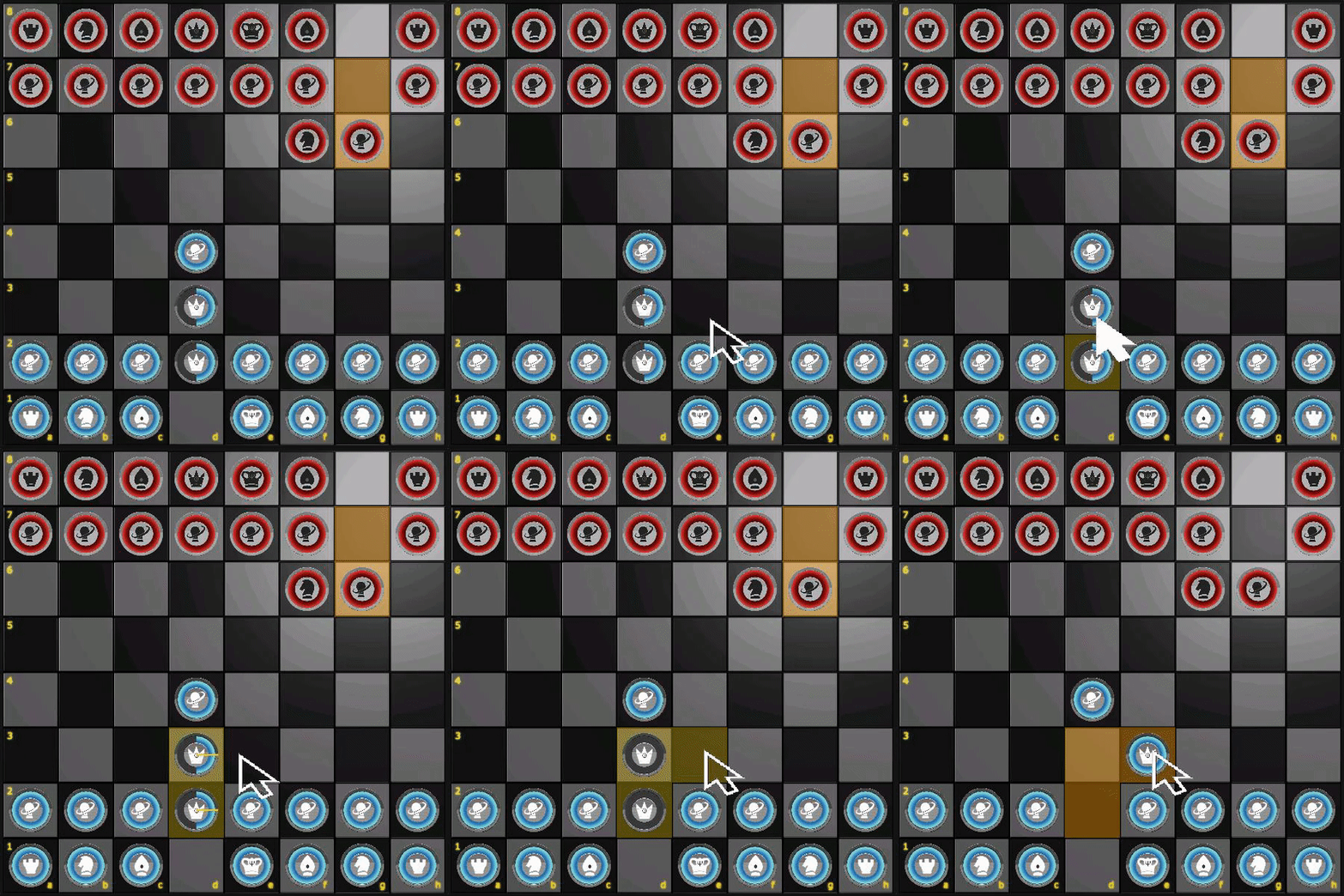

Notice the yellow lines on the queens involved in the move are pointing in the same direction. We call this being "in phase".

Now if we perform a Standard move for the queen in d2, moving it to d3, and then perform the Merge move, we get something different.
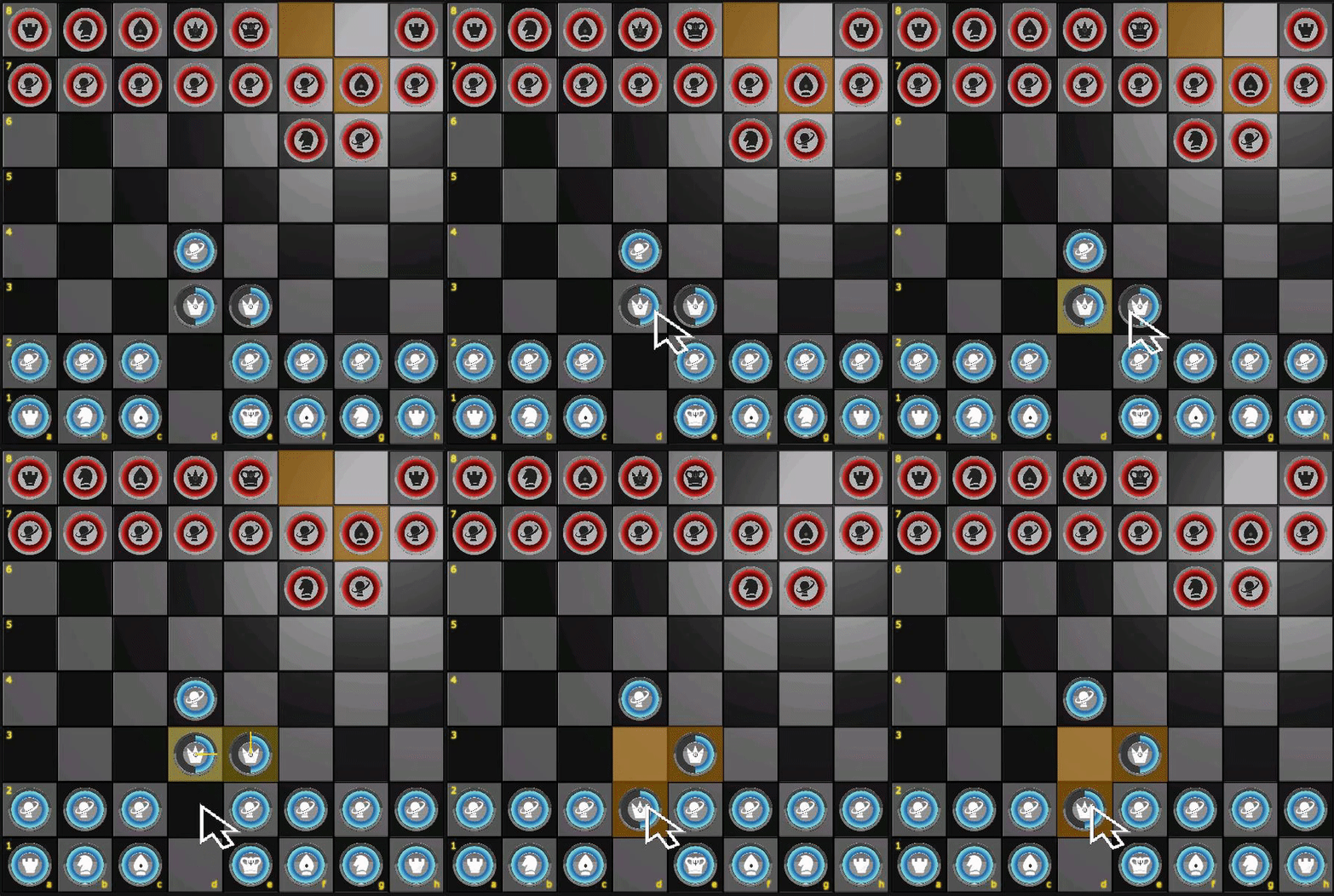

Notice that the standard move has caused the yellow lines to no longer point in the same direction. The piece that was moved picked up a relative phase of pi/2 compared to the one that didn't move.

Phase can be a complex topic. But if you play around with moves, and take notice of how the phase indicators relate to each other, you can gain an intuition for how it will change the outcomes. This is the first successful attempt at getting meaningful phase information into the game, and it will likely evolve.

I can't wait to get this out there for people to play with!

More from Quantum Chess

Other announcements

All news
Game update31 Aug 2026Bug fixesFixed some UI bugs, and billing issues that could affect a player's access to premium features.Major update26 Aug 2026Quantum Chess Remastered 1.0Quantum Chess hit 1.0 today. The remaster soft-launched in May and has been under continuous development since. Sound, replays, in-game guides, puzzle packs, correspondence, keyboard-only play, a proper mobile pass. And with it, a feature that we've always wanted to create. A way to experiment with different ways to play Quantum Chess... The Alchemy League ships today. The Alchemy League A seas…Game update10 Aug 2026Bug FixesFixed some multiplayer stuff on the back end, and deployed a prototype discord and steam friend challenge capability. Let us know if it doesn't work.