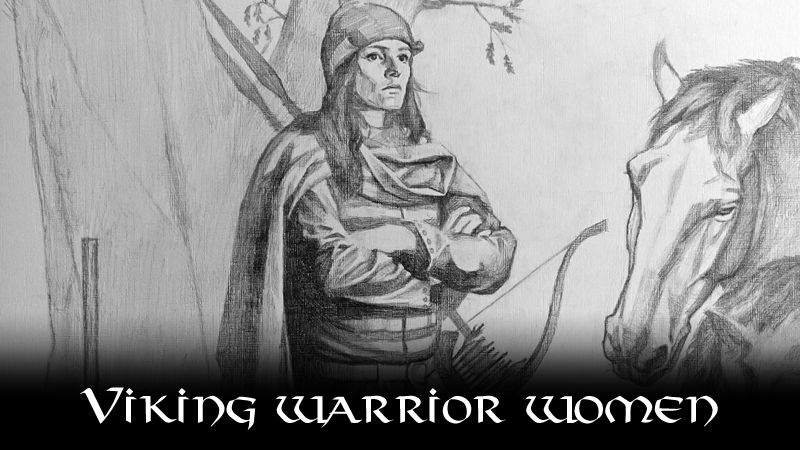
drawing by Tancredi Valeri
Introduction
Researching authentic Viking Life is not an easy task. Most of our knowledge comes from one of 3 sources: archeological findings, contemporary descriptions made mostly by Catholics, and Icelandic sagas, made a few hundred years after the events. Even though Vikings had a runic alphabet, Futhark, they didn’t write books. They preferred oral traditions of sharing knowledge and stories.
Women of Viking Age
The International Women’s Day inspired me to write a post about a topic that baffles historians to this day: what was the life of Viking Women like? The Vikings had a big differentiation of roles between sexes. While men doing feminine things or women doing manly things was not forbidden, it was frowned upon and could lead to ostracism.
Women’s tasks included: taking care of the household, raising children, cooking meals, overseeing servants and slaves, sewing clothes, making dairy products, and brewing alcohol. The magic, Seiðr, was also a domain of women.
Ringkvinna
On the other hand Scandinavian women of the Viking Age still had much more freedom and influence compared to the other countries of early medieval Europe.
Unmarried woman would become an adult when she turned 20, gaining a right to choose a place to live and stand by herself in all juridical senses before the law. Women whose male relatives were dead could become Ringkvinna - head of the family, with all the privileges of this status.
A good example was Aud (or Unn) the Deep Minded. After her husband Olaf the White and son Thorstein the Red died, she led a group of 20 free Vikings to Iceland, where she took control of the lands, becoming a matriarch of a powerful “family”. Her power and influence were a source of envy for many men.
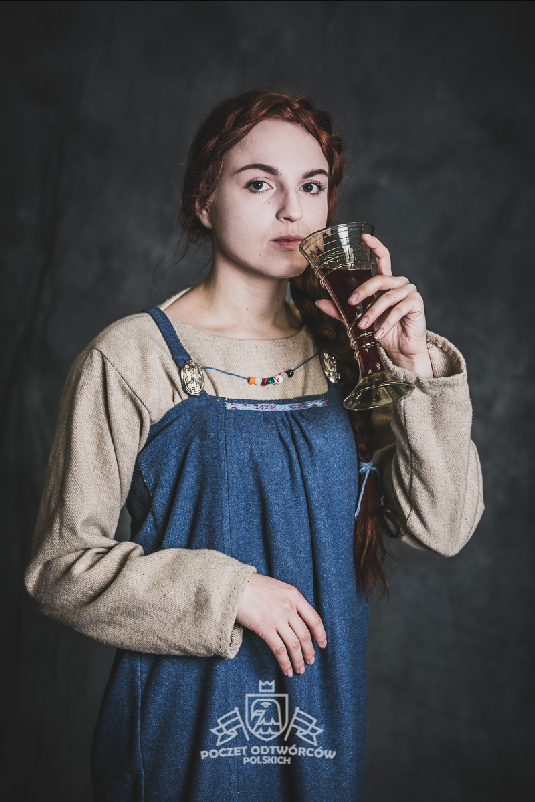
Source: Poczet Odtwórców Polskich
Shieldmaidens
Two hot topics when speaking about Vikings are war and raids. Did Viking women fight? On one hand, Icelandic sagas describe women as non-fighting. On the other hand, the sagas would praise women that showed honor, courage, and strong will and honored women who’d take arms when the situation demanded it.
Archeology also doesn’t give us a decisive answer to that question either. In 1877 the remains of a warrior in Birka Bj 581 grave were believed to be a male warrior (even a leader), mostly due to the burial gifts inside.
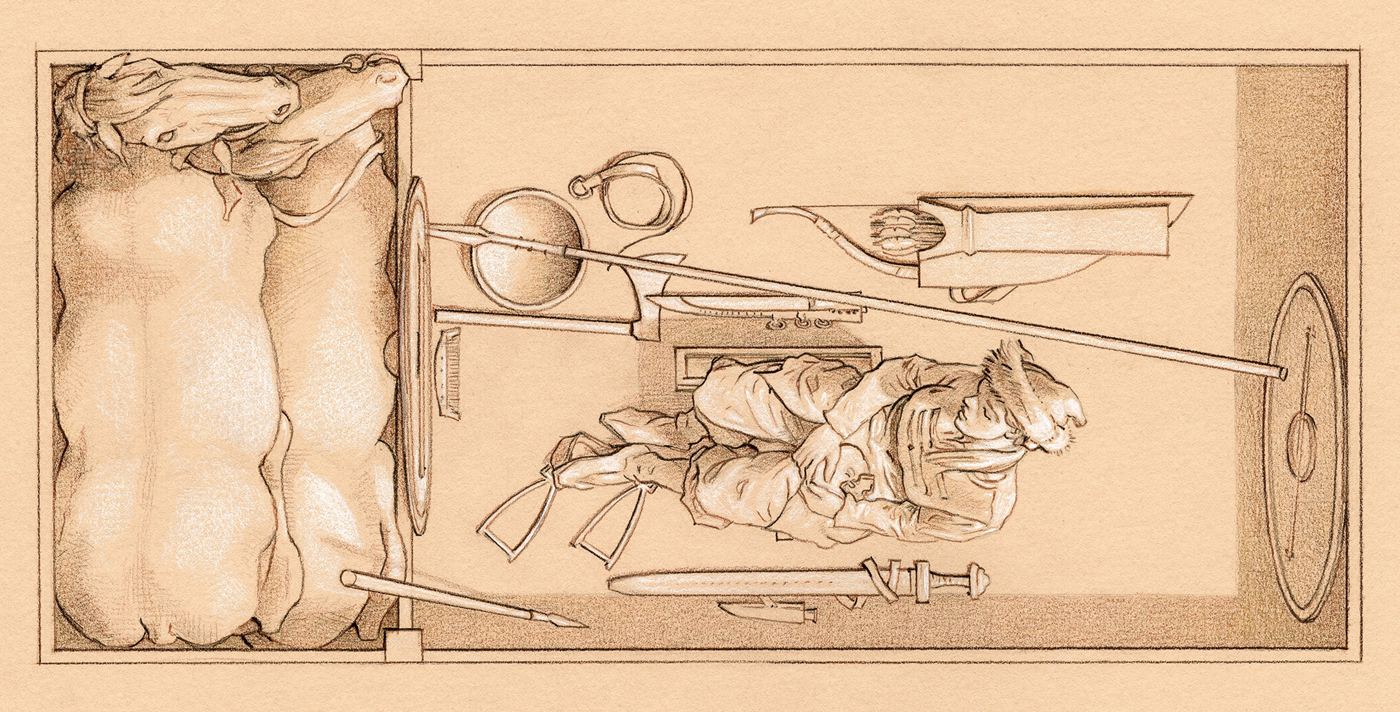
drawing by Þórhallur Þráinsson
Until in 2017, with the use of modern research techniques, it was determined that they were remains of a woman. Archeologists to this day debate whether the burial gifts are proof of her being a warrior or were they merely a part of a ritual. The existence of some shieldmaiden seems to be possible, but how many? How often would it happen? How was it viewed by society?
End thoughts
I leave you with those ideas to ponder and in the meantime, I’m going back to work on VCB. If you found any errors in my post, please do let me know. I’d love to make women an important part of my game as well, and I’m very curious about your feedback!